Athenian Trireme
Navy ship Trireme · 480 BC
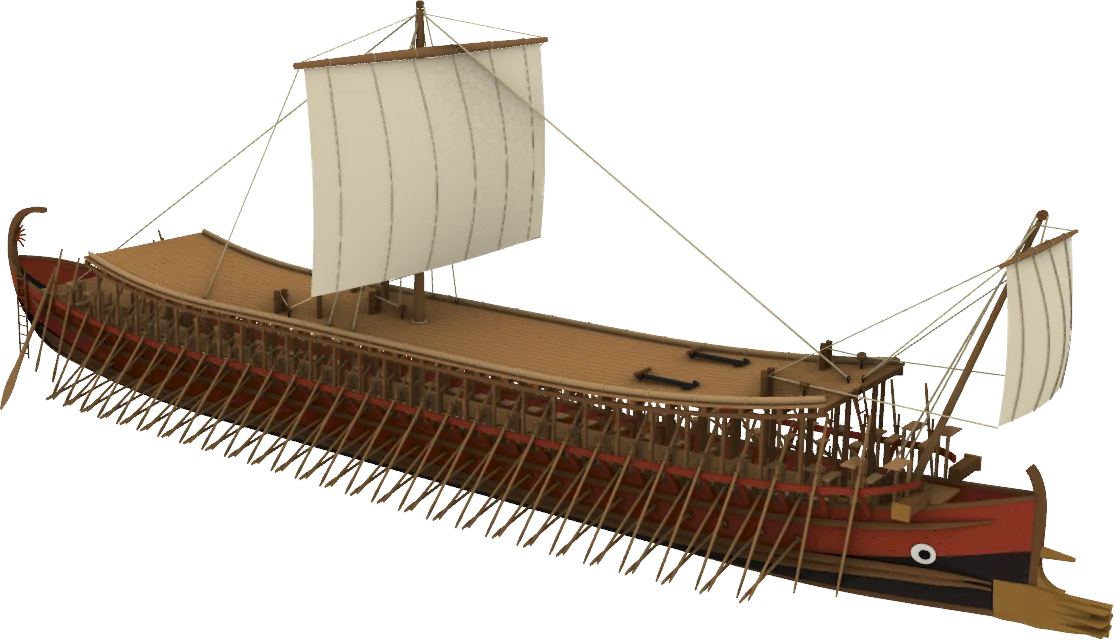
A hundred and seventy rowers in three banks, a bronze ram at the bow, and the speed of a sprinting horse. The trireme was the warship that saved Greece at Salamis.
Turn her in 3DVisit exhibit
Sailing & oared warships
A hundred and seventy rowers in three banks, a bronze ram at the bow, and the speed of a sprinting horse. The trireme was the warship that saved Greece at Salamis.
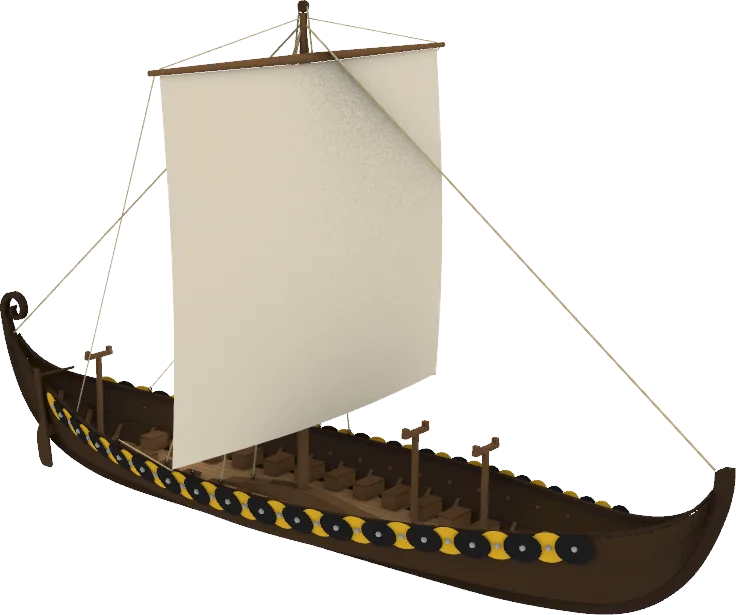
A Viking chieftain was buried in his ship more than a thousand years ago. When she was dug up in 1880, a replica of her sailed across the Atlantic.
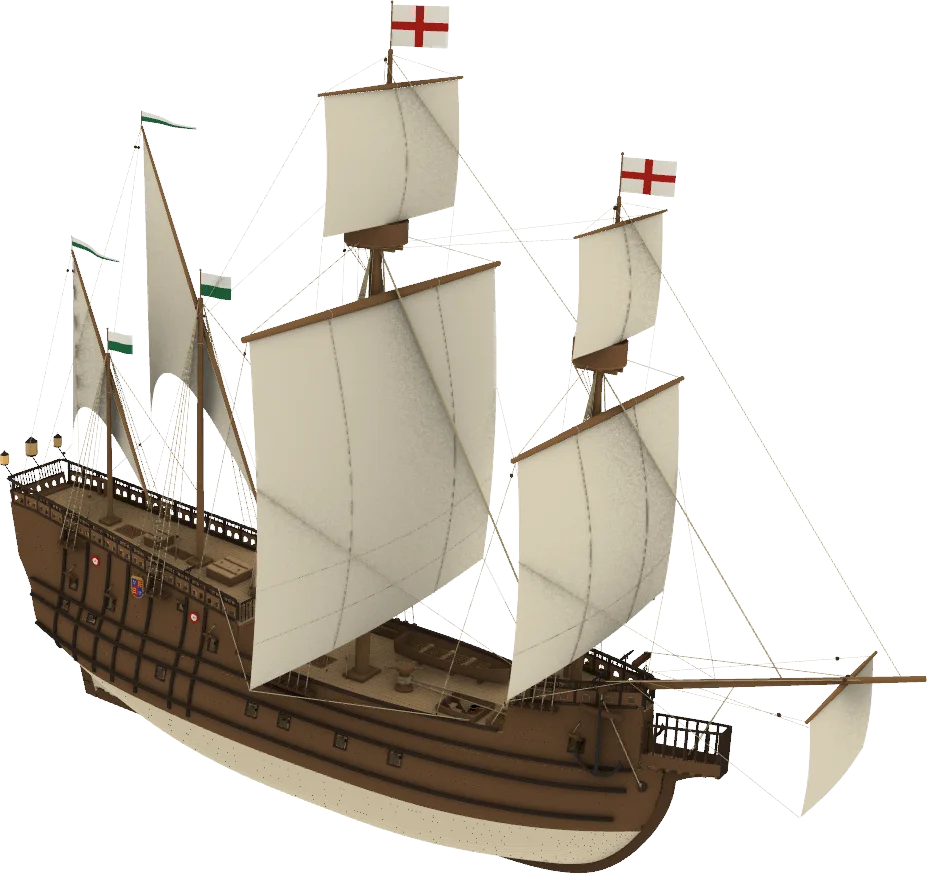
Henry VIII's favourite warship sank in front of him in 1545. Four hundred and thirty-seven years later, she came back up.
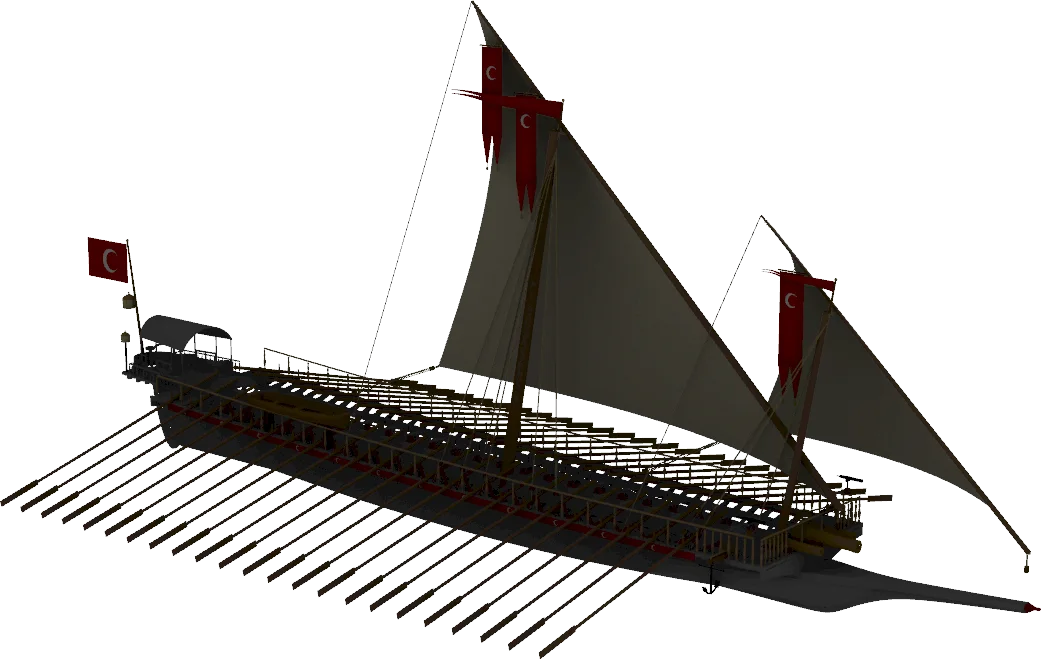
For three centuries the oared galley ruled the Mediterranean, and the Ottoman kadırga was among the finest ever built. One of them still survives in Istanbul.
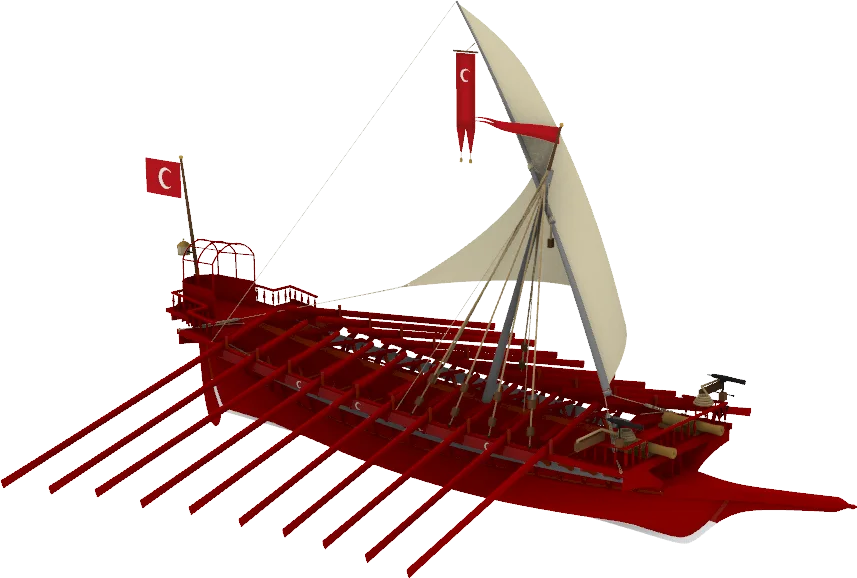
The smallest and swiftest galley of the Ottoman fleet: ten oars a side, one lateen sail and a ram at her bow. She carried the admiral's orders faster than any ship of her day.
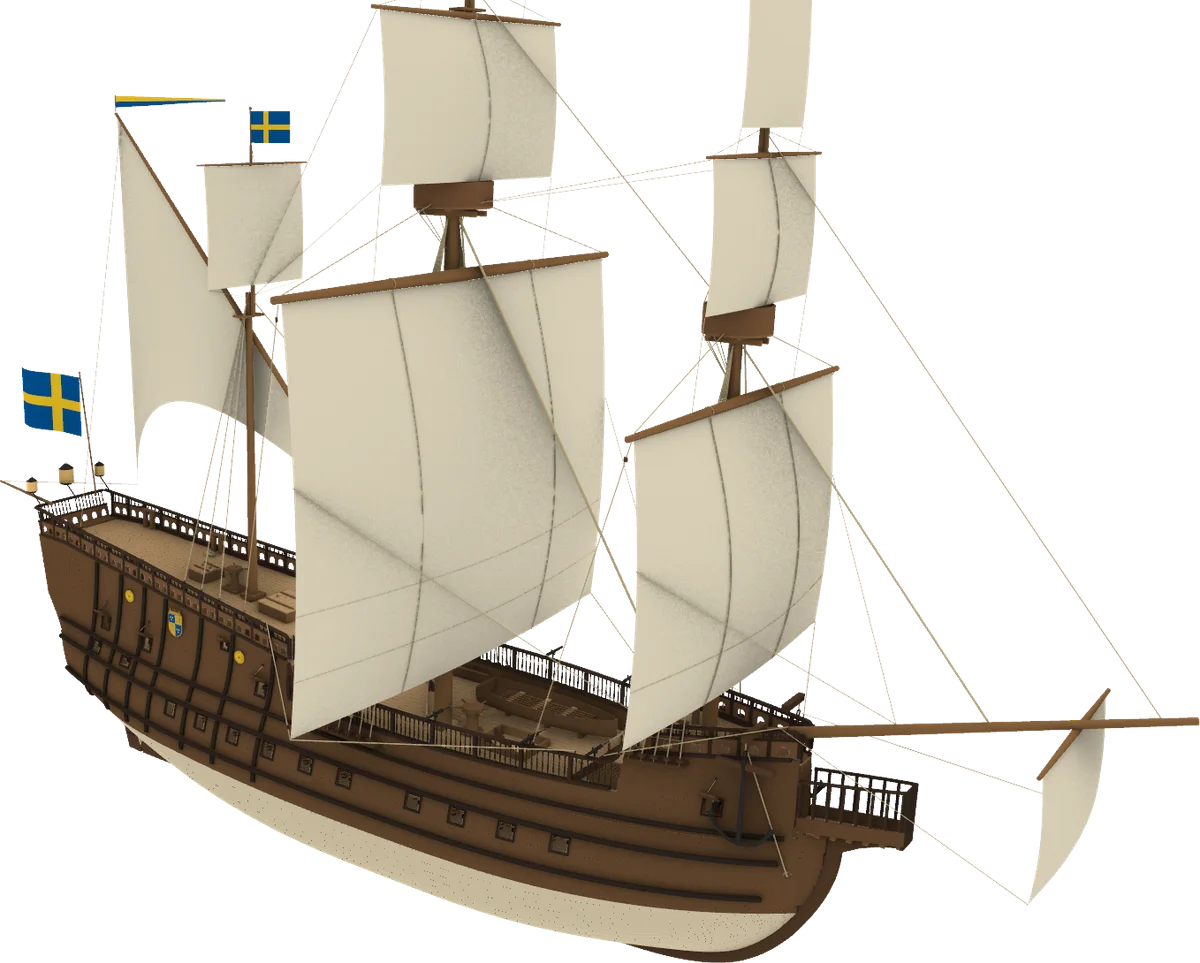
The mightiest warship of the Baltic burned and sank in a great sea battle in 1564. For 447 years nobody knew where she lay.
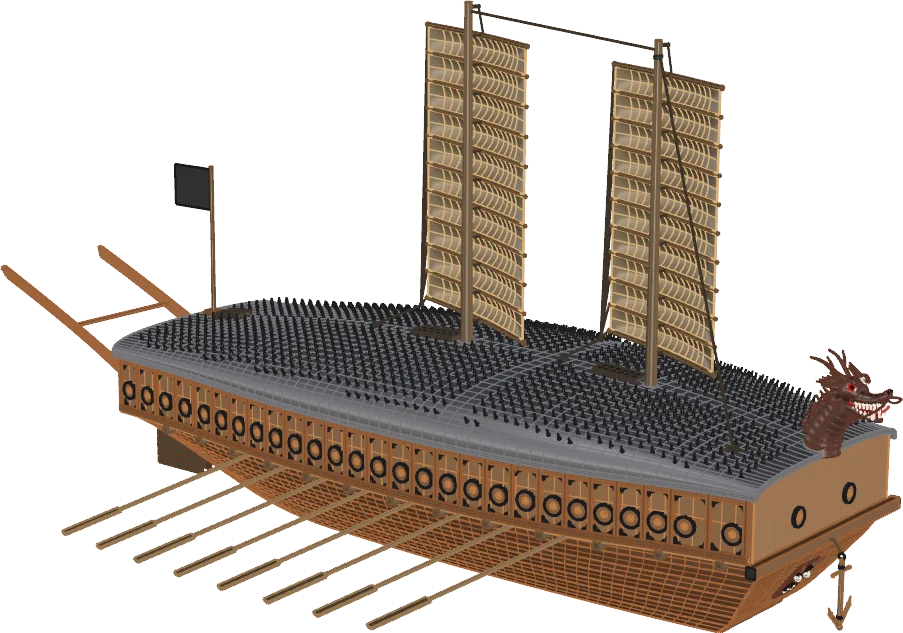
A covered deck bristling with spikes, a dragon's head breathing smoke at the bow, and guns on every side. Admiral Yi Sun-sin's turtle ships terrified the invading fleets.
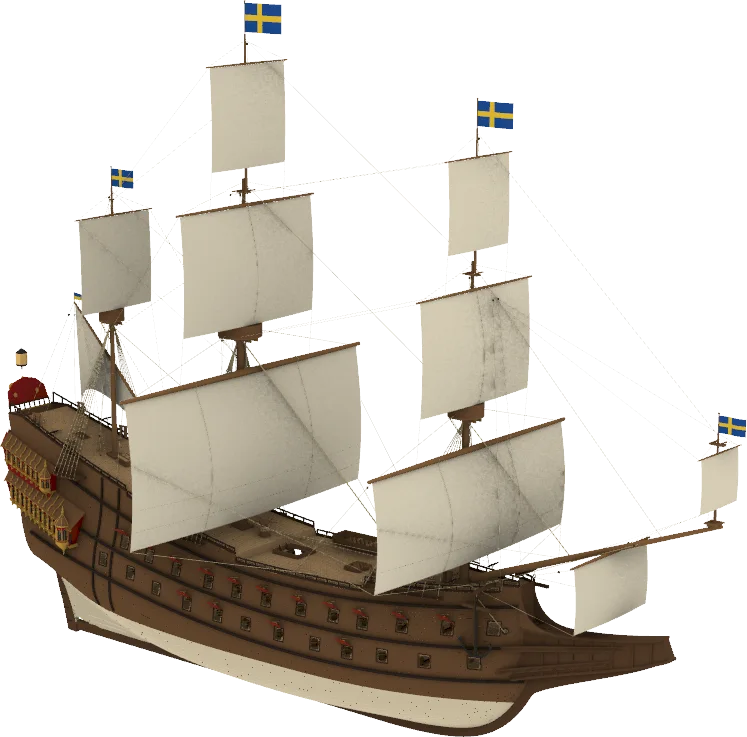
The mightiest warship in the Baltic sailed for a few minutes, heeled over in a gust of wind and sank in Stockholm harbour. Three centuries later she came back up almost whole.
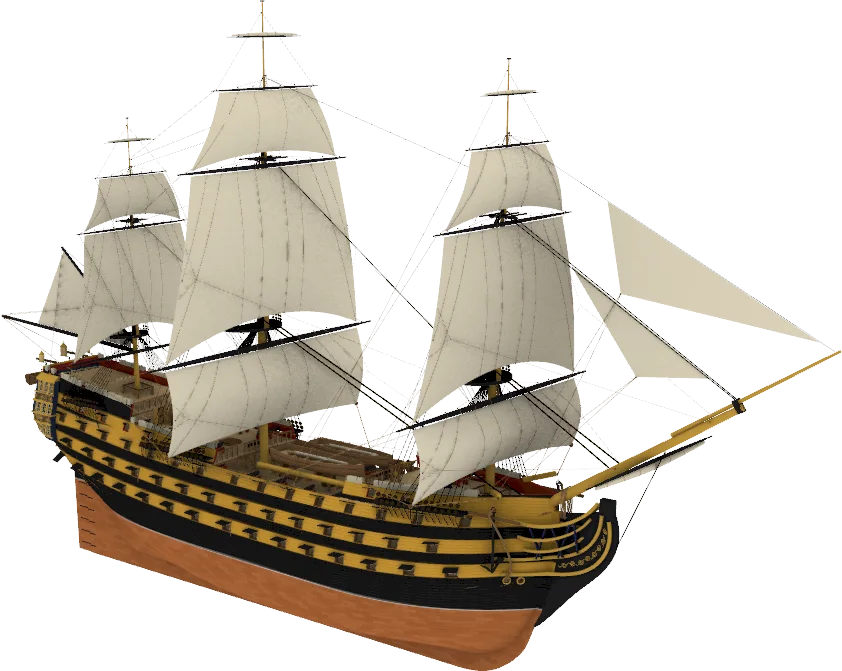
She led the fleet at Trafalgar. More than 250 years after her launch, she is still a commissioned ship of the Royal Navy.
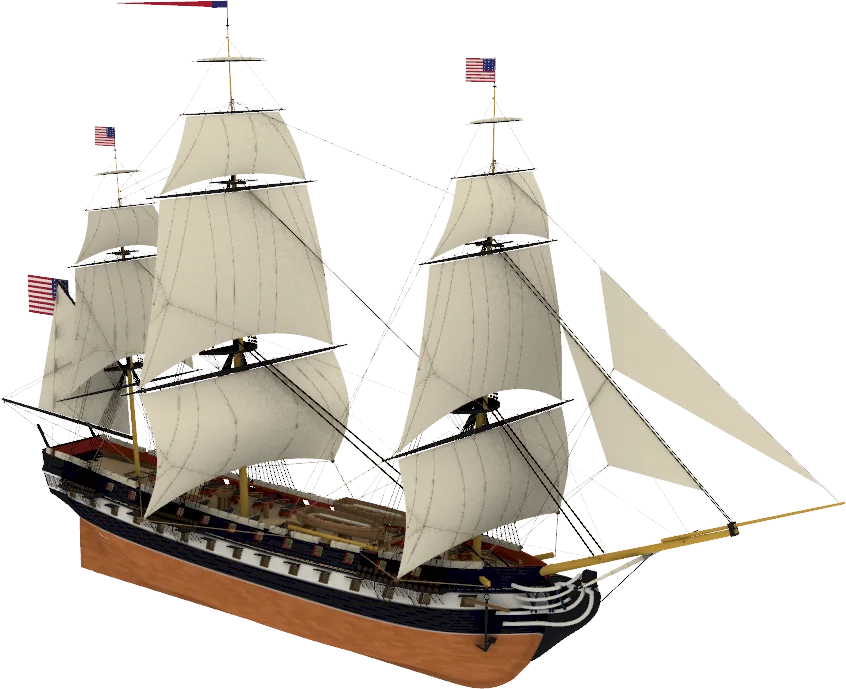
British cannonballs seemed to bounce off her oak sides. More than two centuries later, Old Ironsides is still a commissioned ship of the US Navy.
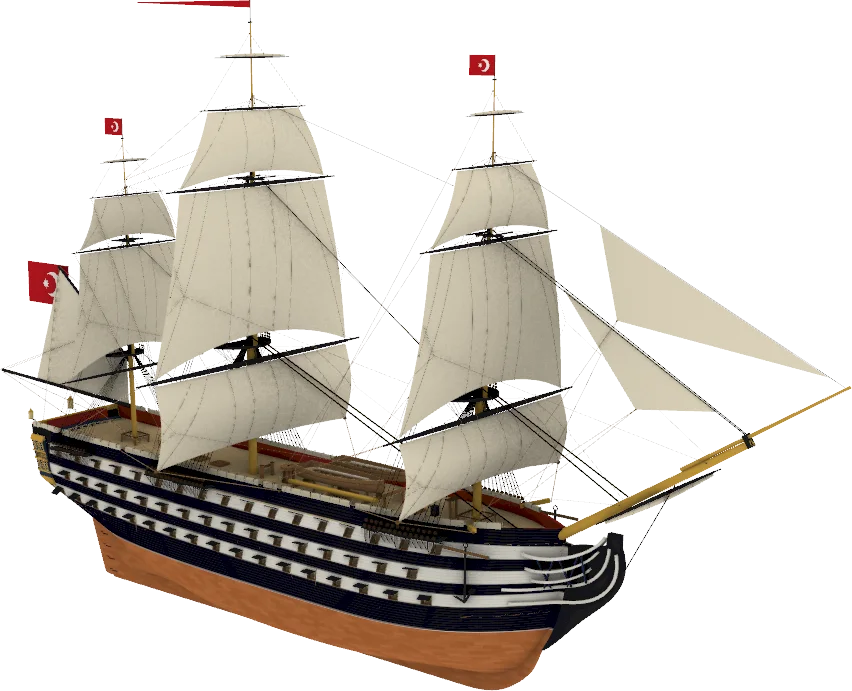
When she was launched on the Golden Horn in 1828, she was one of the largest warships in the world, with three gun decks.
She sailed from Istanbul to Japan on a mission of friendship. A typhoon ended her voyage and began a friendship that has lasted more than a century.