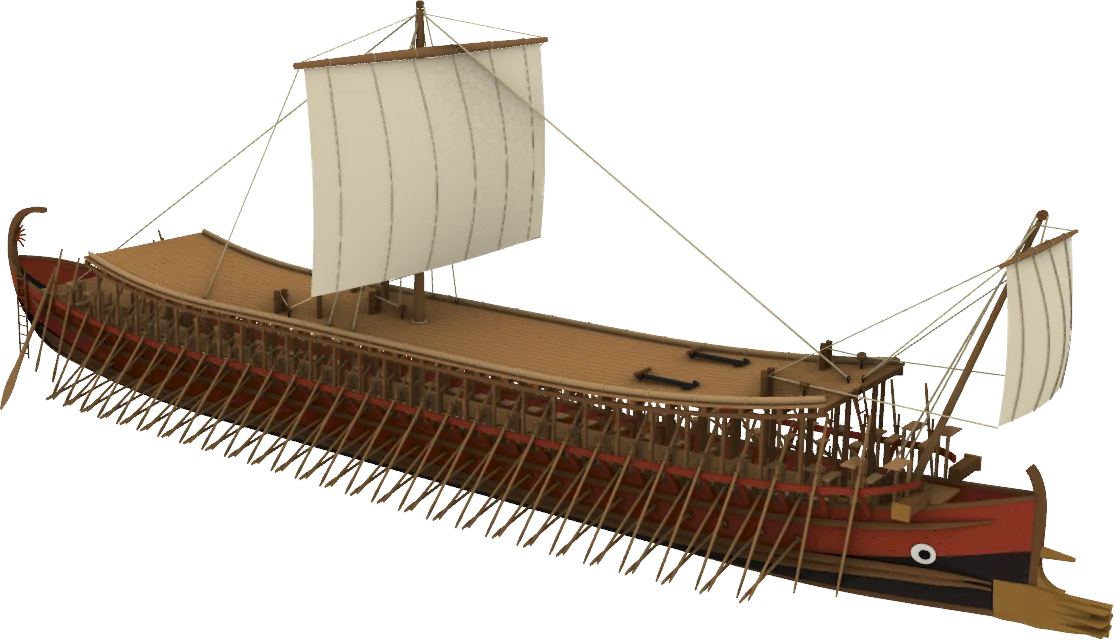
Athenian Trireme
Navy ship Trireme · 480 BC
A hundred and seventy rowers in three banks, a bronze ram at the bow, and the speed of a sprinting horse. The trireme was the warship that saved Greece at Salamis.
Turn her in 3DVisit exhibit
Navy ships
Steel and gunsmoke, oak and iron nerve: the ships that stood between a nation and the dangers of the sea.
A hundred and seventy rowers in three banks, a bronze ram at the bow, and the speed of a sprinting horse. The trireme was the warship that saved Greece at Salamis.
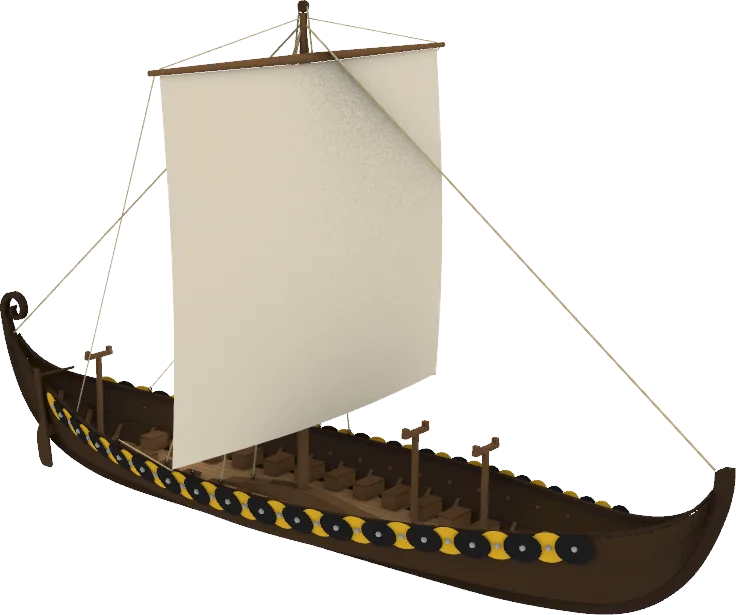
A Viking chieftain was buried in his ship more than a thousand years ago. When she was dug up in 1880, a replica of her sailed across the Atlantic.
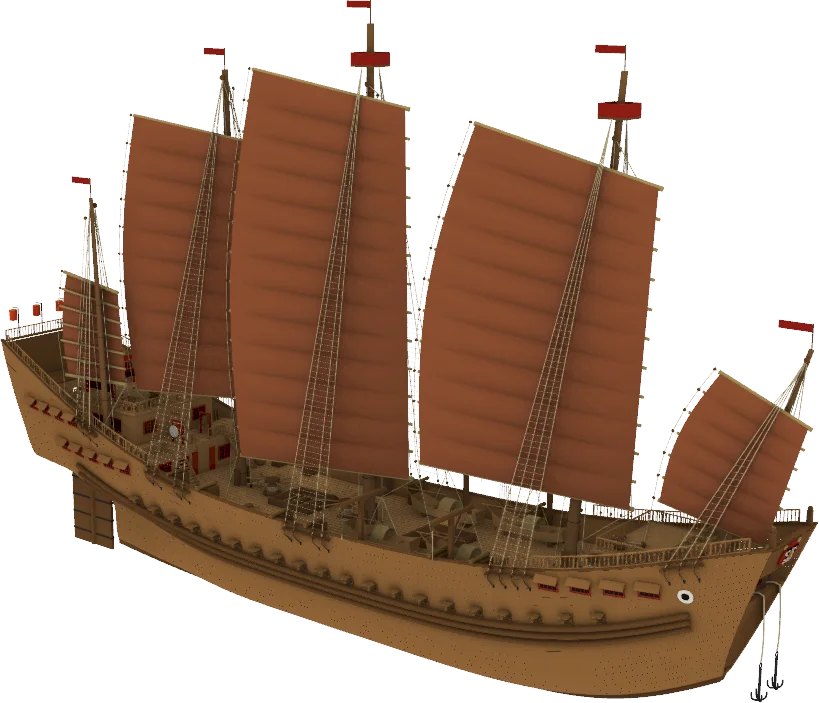
Decades before Columbus, a Chinese admiral led some of the largest fleets the world had ever seen across the Indian Ocean, as far as Arabia and East Africa.
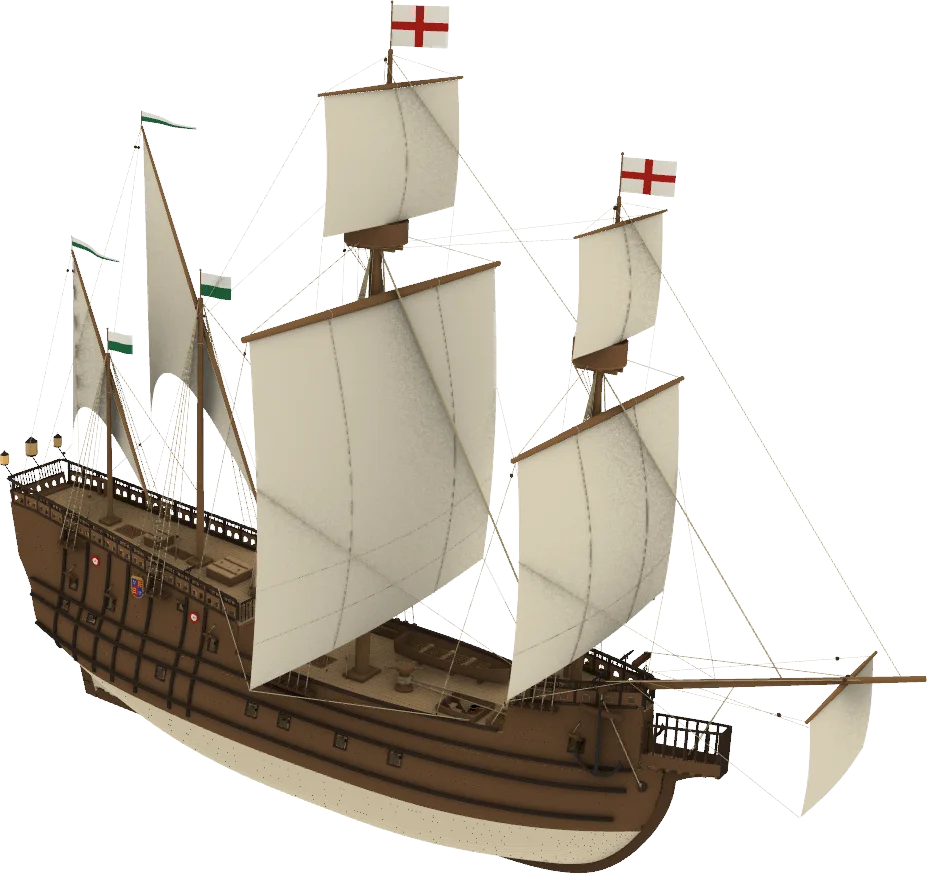
Henry VIII's favourite warship sank in front of him in 1545. Four hundred and thirty-seven years later, she came back up.
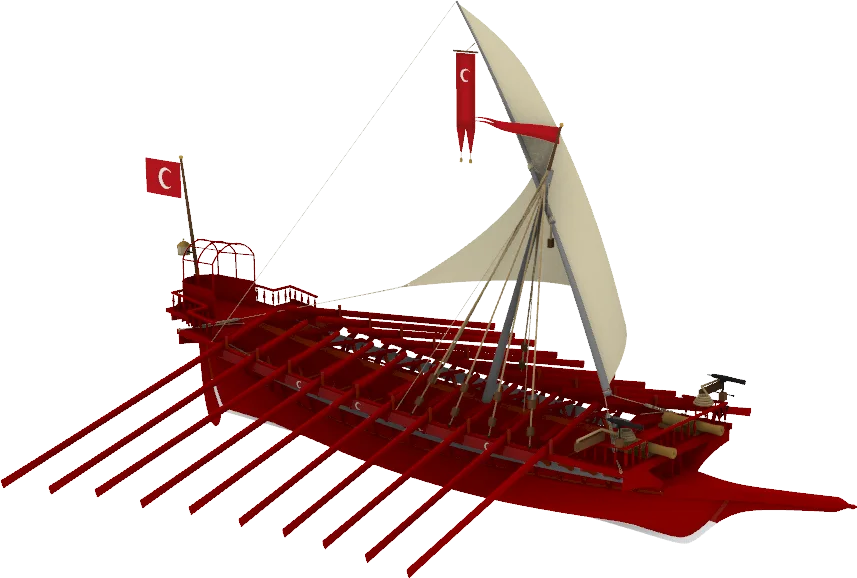
For three centuries the oared galley ruled the Mediterranean, and the Ottoman kadırga was among the finest ever built. One of them still survives in Istanbul.
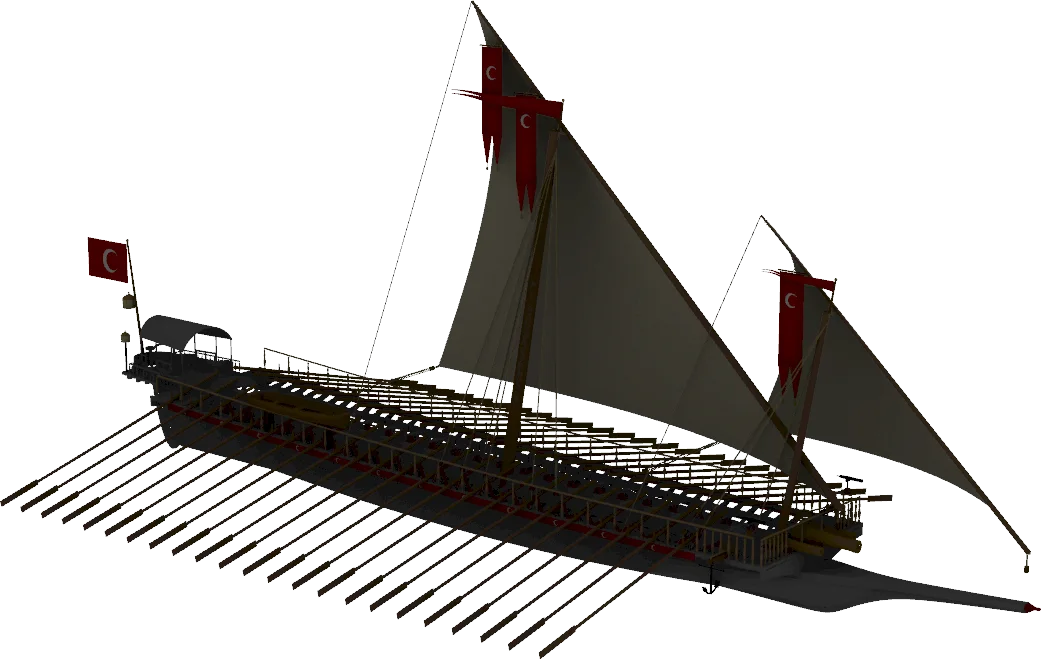
The smallest and swiftest galley of the Ottoman fleet: ten oars a side, one lateen sail and a ram at her bow. She carried the admiral's orders faster than any ship of her day.
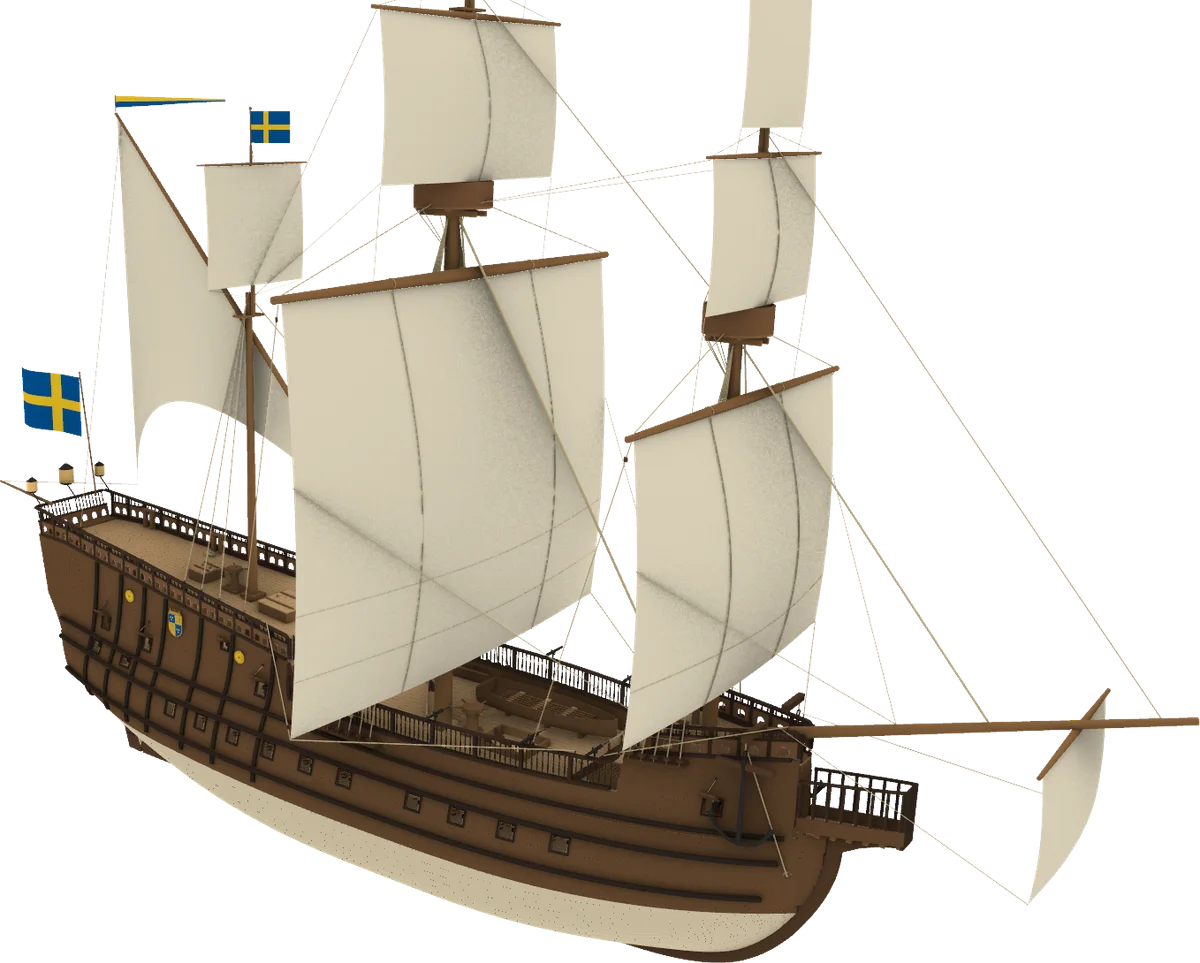
The mightiest warship of the Baltic burned and sank in a great sea battle in 1564. For 447 years nobody knew where she lay.
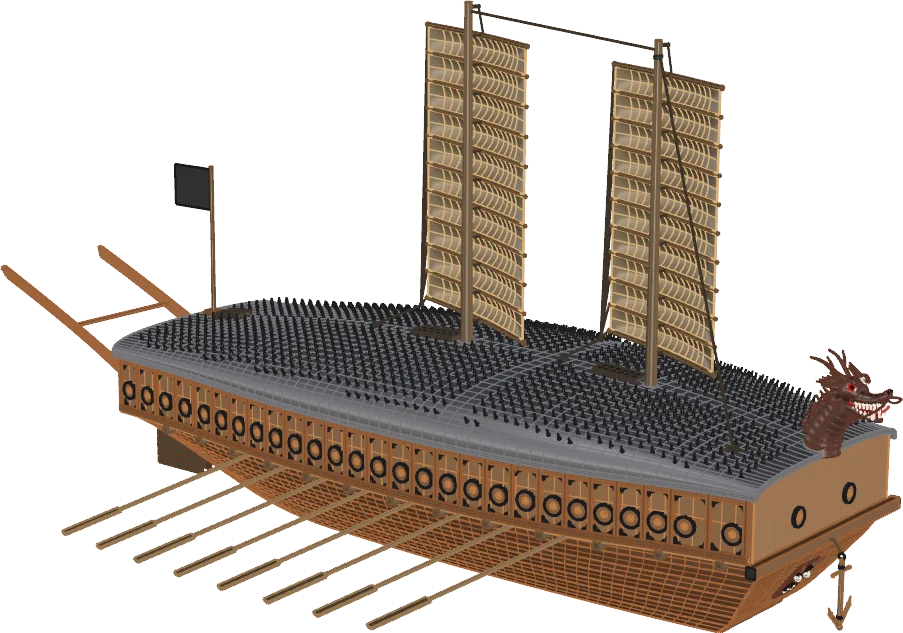
A covered deck bristling with spikes, a dragon's head breathing smoke at the bow, and guns on every side. Admiral Yi Sun-sin's turtle ships terrified the invading fleets.
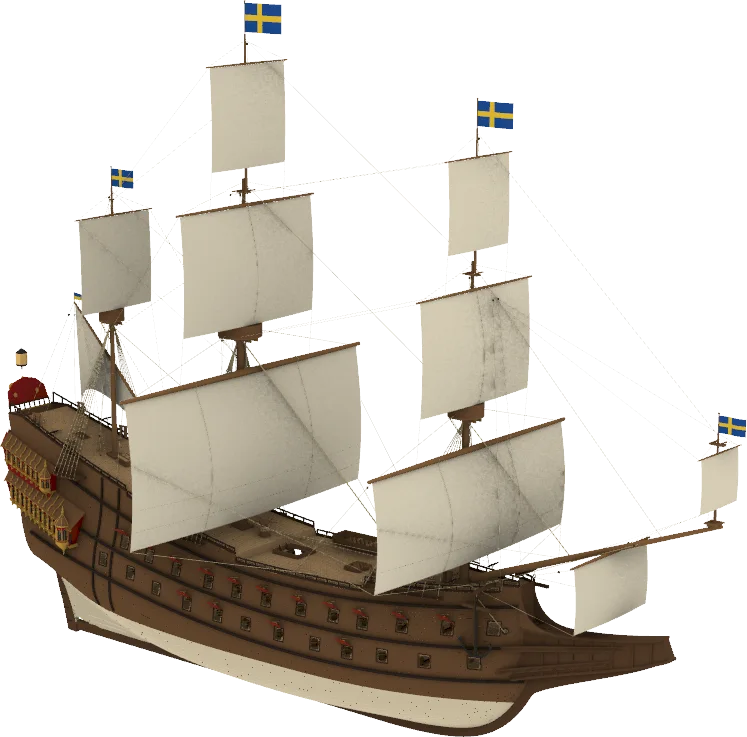
The mightiest warship in the Baltic sailed for a few minutes, heeled over in a gust of wind and sank in Stockholm harbour. Three centuries later she came back up almost whole.
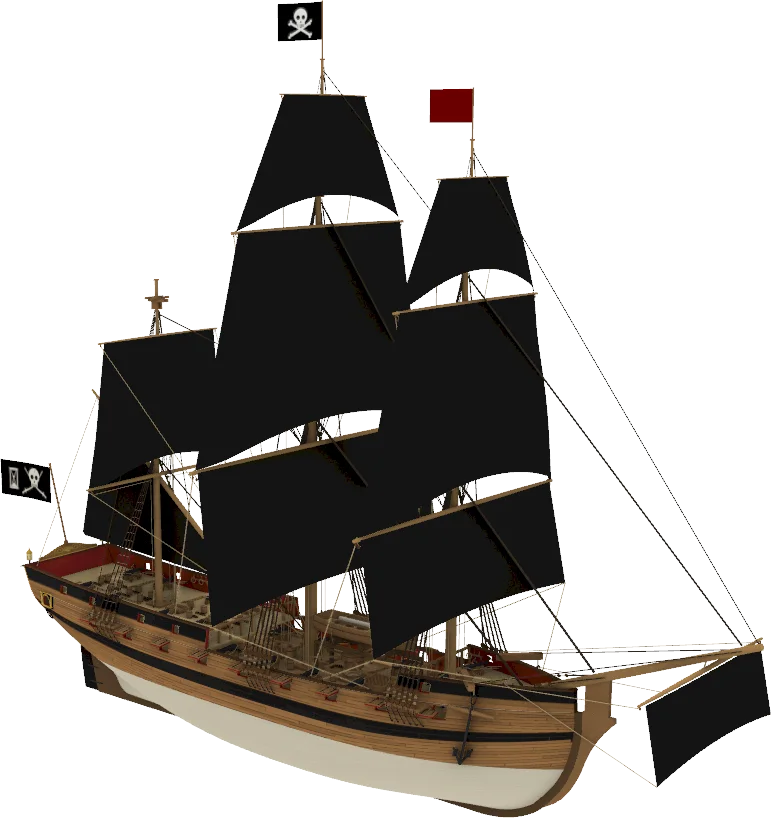
Built to carry enslaved Africans, she was captured by the pirate Black Sam Bellamy and wrecked off Cape Cod in a storm. She was the first pirate shipwreck ever to be identified.
Blackbeard's flagship carried forty guns and blockaded a whole city. A few months later she ran aground, and a few months after that, Blackbeard was dead.
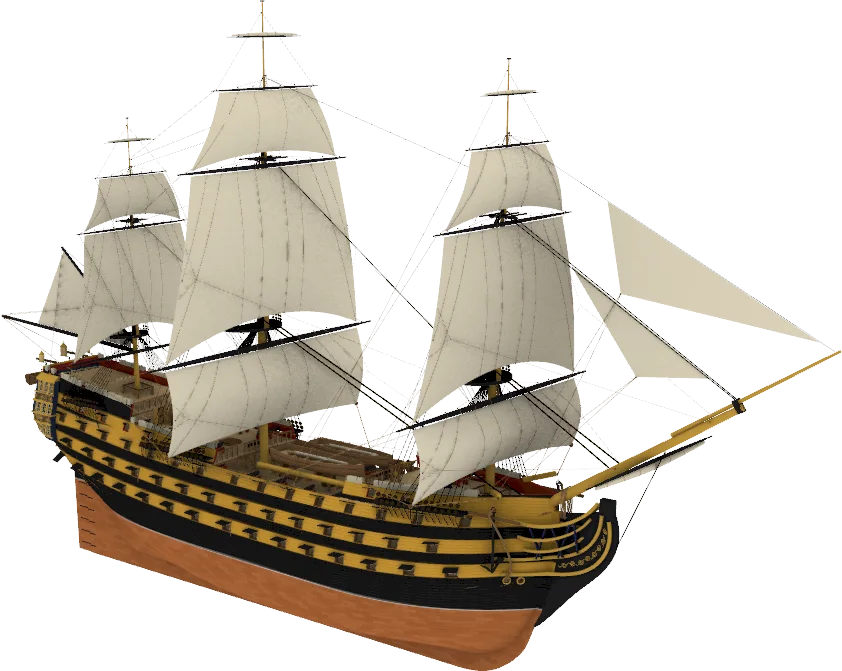
She led the fleet at Trafalgar. More than 250 years after her launch, she is still a commissioned ship of the Royal Navy.
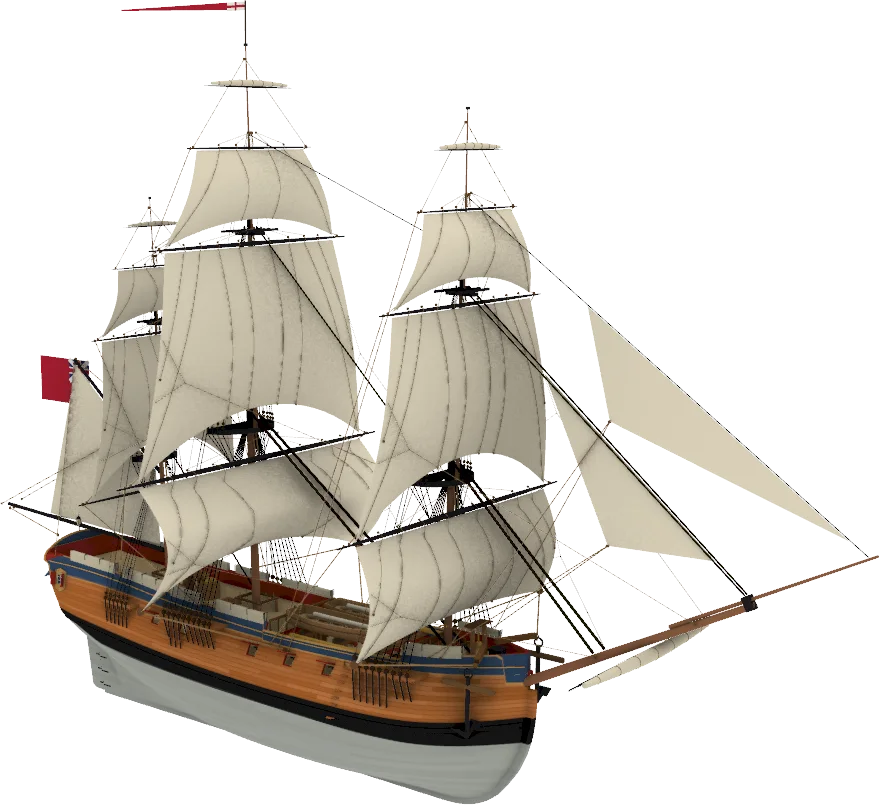
A humble coal ship carried James Cook to the far side of the world, to watch a planet cross the sun, and to chart the coasts of New Zealand and eastern Australia.
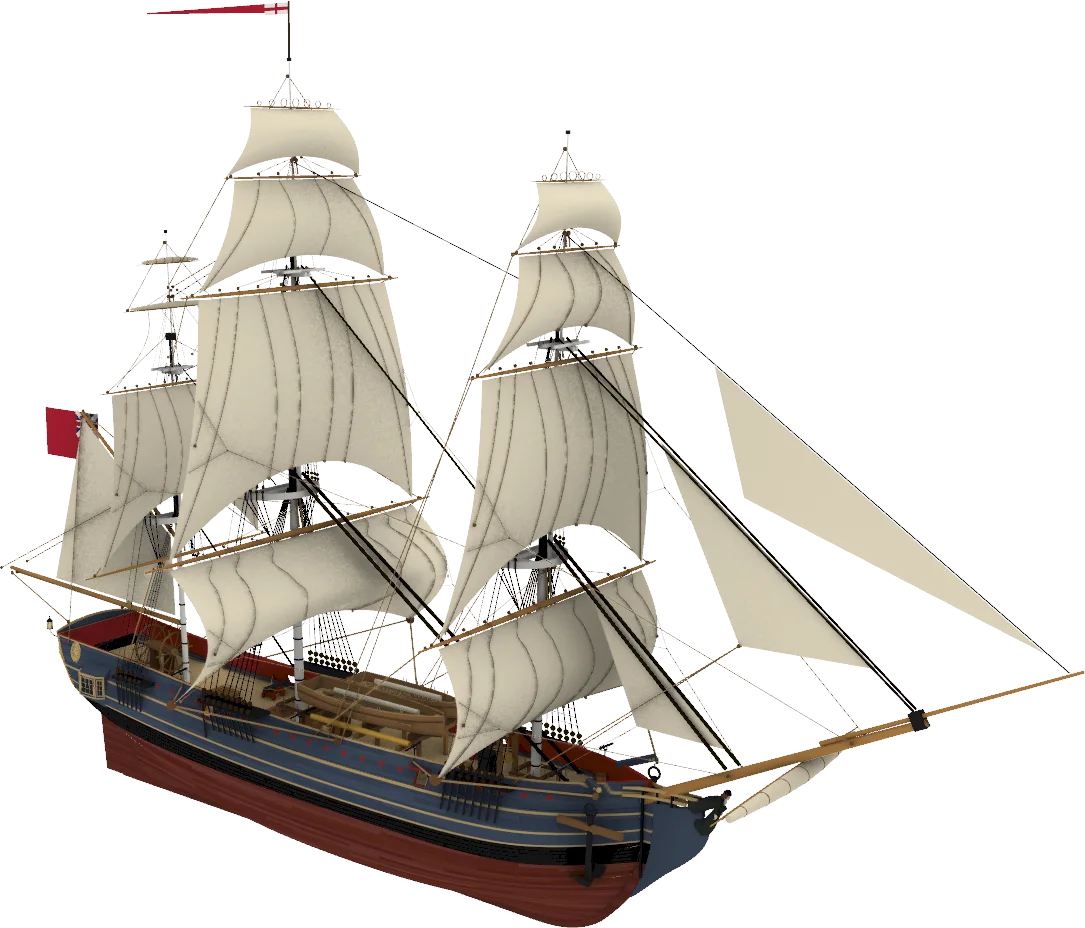
She was sent to carry breadfruit plants from Tahiti. Instead she became the setting of the most famous mutiny in history.
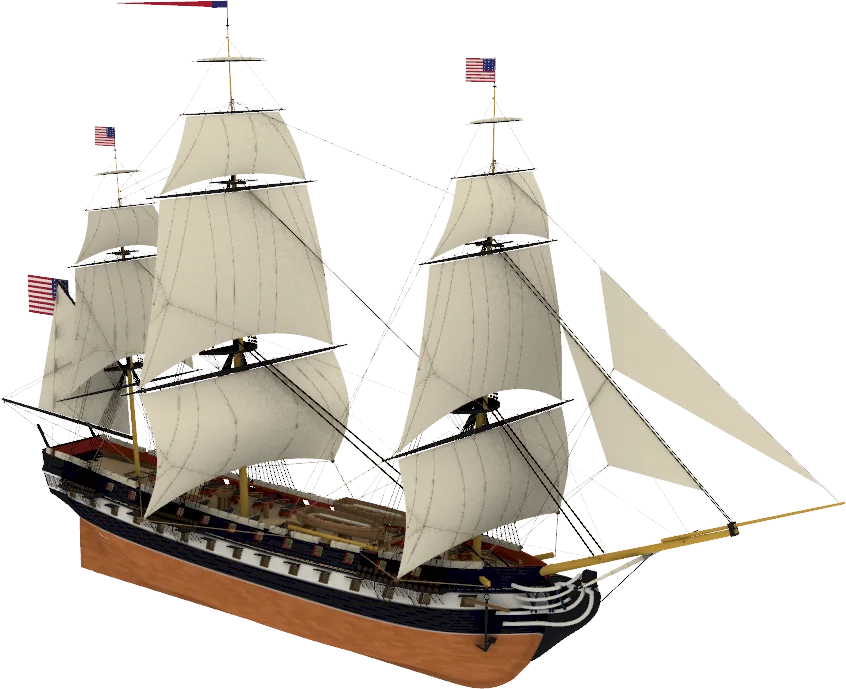
British cannonballs seemed to bounce off her oak sides. More than two centuries later, Old Ironsides is still a commissioned ship of the US Navy.
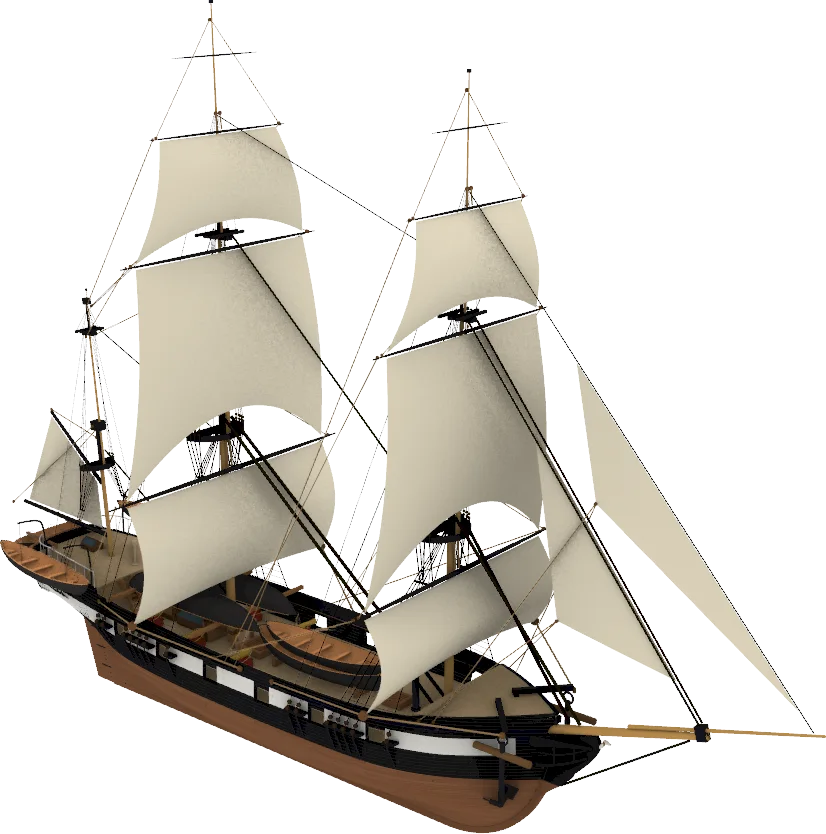
A small survey ship of the Royal Navy carried a young naturalist named Charles Darwin around the world, and changed how we understand life itself.
She sailed to Antarctica and gave her name to a volcano. Then she sailed into the Arctic with Sir John Franklin to find the Northwest Passage, and vanished for 169 years.
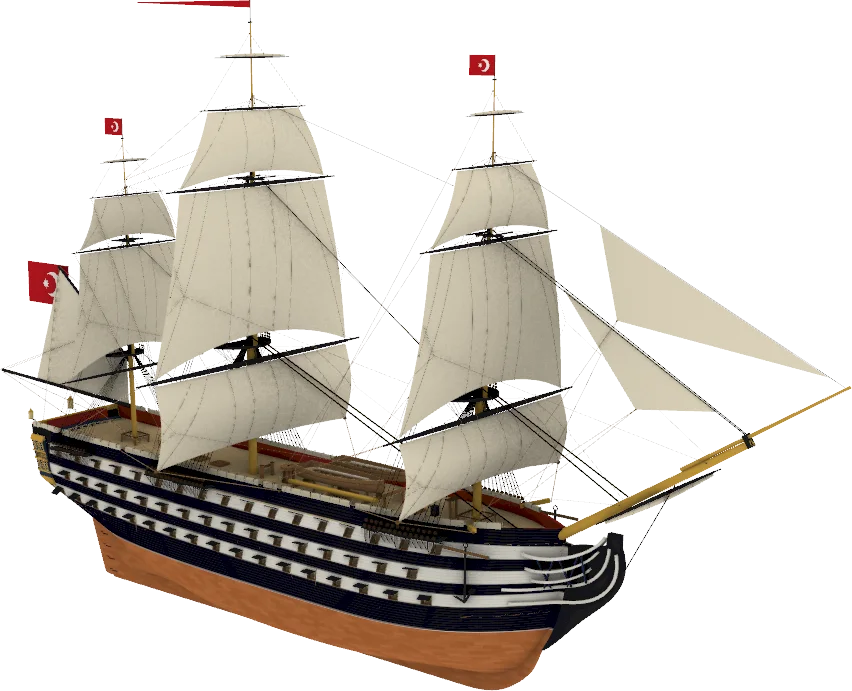
When she was launched on the Golden Horn in 1828, she was one of the largest warships in the world, with three gun decks.
When she appeared in 1860 she made every other warship in the world obsolete: an iron hull, armour plate and steam power, still carrying a full set of sails.
She looked like a cheese box on a raft. In one morning in 1862 she changed naval warfare for ever.
Eight men turned a crank by hand to drive her through the dark water. In 1864 she became the first submarine ever to sink a warship, and then she vanished.
Once one of the most powerful ironclads in the world, she ended her days guarding the Dardanelles, until a small British submarine crept beneath five rows of mines to find her.
She sailed from Istanbul to Japan on a mission of friendship. A typhoon ended her voyage and began a friendship that has lasted more than a century.
On 18 March 1915 the French battleship turned in Erenköy Bay, into the line of mines Nusret had laid ten days before. She was gone in about two minutes.
On the afternoon of 18 March 1915 the British battleship struck one of Nusret's mines in Erenköy Bay. Abandoned and drifting, she sank that evening.
Sent to help the stricken Irresistible on 18 March 1915, she ran into the same line of mines. Both battleships were gone by morning.
She survived the disaster of Tsushima, and in October 1917 a shot from her bow gun became the signal for the Russian Revolution. She is still afloat in St Petersburg.
While the rest of the fleet stayed behind the Dardanelles, one cruiser slipped out alone in the dark and kept the Aegean guessing for eight months.
Admiral Tōgō's flagship at Tsushima, the battle that announced Japan as a great naval power. She survives today as a memorial ship in Yokosuka.
A Glasgow collier with doors cut in her sides, she was run aground at V Beach on 25 April 1915 with some 2,000 soldiers inside. The landing below Seddülbahir became one of the bloodiest mornings of the Gallipoli campaign, for the attackers and for the Ottoman Mehmetçik alike.
Built in about a year, she was so far ahead of every other battleship that her name became the word for a whole new kind of warship.
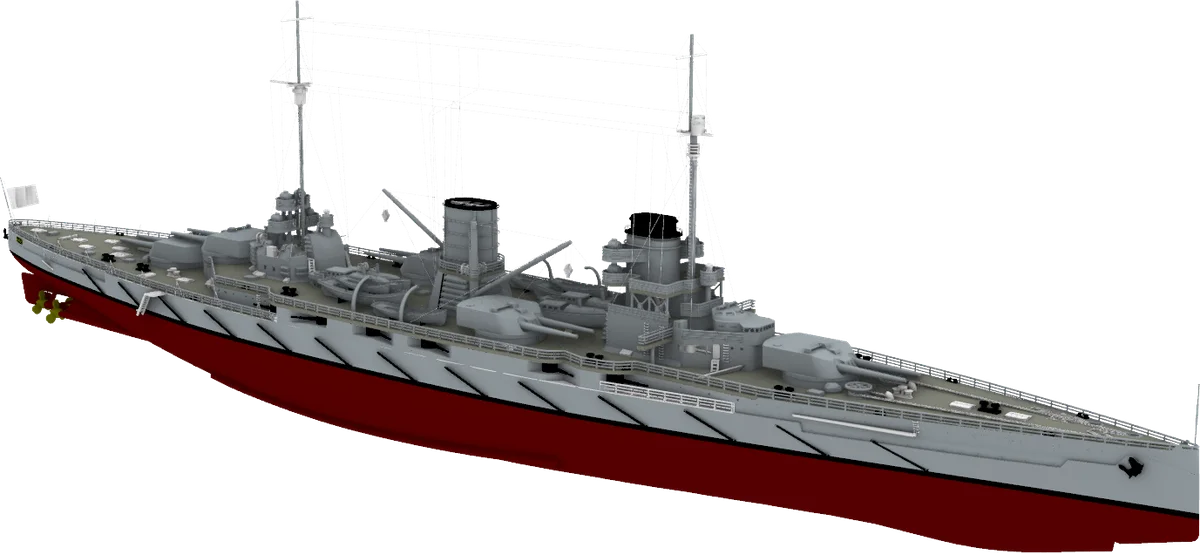
Bought from Germany and named after the greatest Ottoman admiral, she defended the Dardanelles until a British submarine found her in the Sea of Marmara.
The faithful companion of Yavuz: she fled across the Mediterranean with her, changed her flag with her, and fought beside her to the very last day.
She was born German, escaped the Royal Navy across the Mediterranean, and became the pride of the Turkish fleet for more than thirty years.
A small minelayer, one quiet night of work, and 26 mines that changed the course of the Dardanelles campaign.
On the morning of 7 December 1941 a single bomb set off her magazines. She sank in minutes at Pearl Harbor, and she lies there still, a grave and a memorial.
Titanic's younger sister was built to be safer. She never carried a paying passenger, and sank as a hospital ship in the Aegean.
Begun as a battlecruiser and finished as one of the first great aircraft carriers, Lady Lex was lost in the first battle in history fought between carriers.
When an American aircraft carrier signalled to ask who she was, the reply came back: the training ship of the Italian Navy. The carrier answered: you are the most beautiful ship in the world.
Built as the largest private yacht in the world, she became the home of Atatürk's last summer.
She delivered the parts of the first atomic bomb used in war, then was torpedoed on her way back. Her crew spent four days in the open sea before anyone knew they were missing.
A German raider sank merchant ships across the South Atlantic without killing a single sailor aboard them. Cornered at the River Plate, her captain chose to scuttle her.
A torpedo from one of her old biplanes jammed Bismarck's rudder and doomed her. Six months later a U-boat's torpedo found Ark Royal, and only one of her crew was lost.
She helped sink the German battleship Scharnhorst in the Arctic dark, fired on the beaches on D-Day, and now lies on the Thames in the heart of London.
The Big E fought in more major battles of the Pacific war than any other American ship, and her dive bombers turned the tide at Midway.
Bismarck's sister spent most of the war hidden in Norwegian fjords. She barely fired a shot at enemy ships, yet tied down half the Royal Navy, until giant bombs found her.
Her first battle lasted minutes and sank the pride of the Royal Navy. Her last came three days later, with half an ocean hunting her.
For twenty years she was the largest and most admired warship in the world. The Navy called her the Mighty Hood.
In 1944 an American task group forced this U-boat to the surface and boarded her before she could sink, capturing her codebooks and Enigma machine. Today she sits in a museum in Chicago.
The largest battleship ever built carried the biggest guns ever mounted on a ship. She was sent on a final mission from which no one expected her to return.
She carried tanks and soldiers onto the beaches of Sicily, Salerno and Normandy. In 2000 a crew of veterans in their seventies brought her home across the Atlantic.
Yamato's twin sister, one of the two largest battleships ever built. She took an astonishing number of torpedoes and bombs before she sank in the Sibuyan Sea.
A plywood torpedo boat, cut in half by a Japanese destroyer in the dark. Her young commander was John F. Kennedy.
On her deck in Tokyo Bay, the Second World War came to an end. Mighty Mo was the last battleship ever commissioned by the United States.
The world's first nuclear-powered ship, and the first vessel ever to reach the North Pole.
The most advanced submarine of her day went down during a deep test dive in 1963, with all 129 men aboard. From her loss came the safety programme that has protected submarines ever since.
One of the largest attack submarines ever built sank during an exercise in the Barents Sea in August 2000, and the world watched as rescuers tried to reach her.
Small, fast and heavily armed: nine missile boats that can reach 40 knots and strike far beyond the horizon.
The lead ship of MİLGEM, Türkiye's national warship programme: designed and built at home, and nicknamed the Ghost of the Seas.
The largest warship ever built, with electromagnetic catapults that launch aircraft without steam.
The largest warship ever built for the Turkish Navy, often described as the world's first drone carrier.
The lead ship of Türkiye's first national frigate class, built at Istanbul's Pendik shipyard.
Named after the great Ottoman admiral and mapmaker, she is the first of a new class of Turkish submarines that can stay quietly submerged far longer than the boats before them.
Türkiye's first fully home-designed fast attack craft, and the largest the navy has ever ordered. Her keel was laid in October 2025.