The Computer from the Seabed
Sponge divers sheltering from a storm found a wreck full of statues. Hidden among the treasures was a lump of corroded bronze that would rewrite the history of technology.
Read the story →News from America took ten days to reach Europe, carried by ship. Then the biggest ship in the world unrolled a copper wire across the bottom of the Atlantic.
A telegraph cable had been laid across the Atlantic in 1858. Queen Victoria and the American President exchanged messages, and then, after a few weeks, the cable went dead. In 1865 another attempt failed when the cable snapped in mid-ocean.
Great Eastern, Brunel’s giant, was the only ship that could carry the whole cable at once: thousands of kilometres of it, coiled in great tanks in her holds.
In July 1866 she paid out the cable from Valentia in Ireland, steaming slowly westward for two weeks. On 27 July she arrived at Heart’s Content in Newfoundland. The cable worked.
Then she went back to sea, found the end of the cable lost the year before on the ocean floor, hooked it up from kilometres down and completed it as well. Messages that once took ten days now took minutes. The world had shrunk.
Sponge divers sheltering from a storm found a wreck full of statues. Hidden among the treasures was a lump of corroded bronze that would rewrite the history of technology.
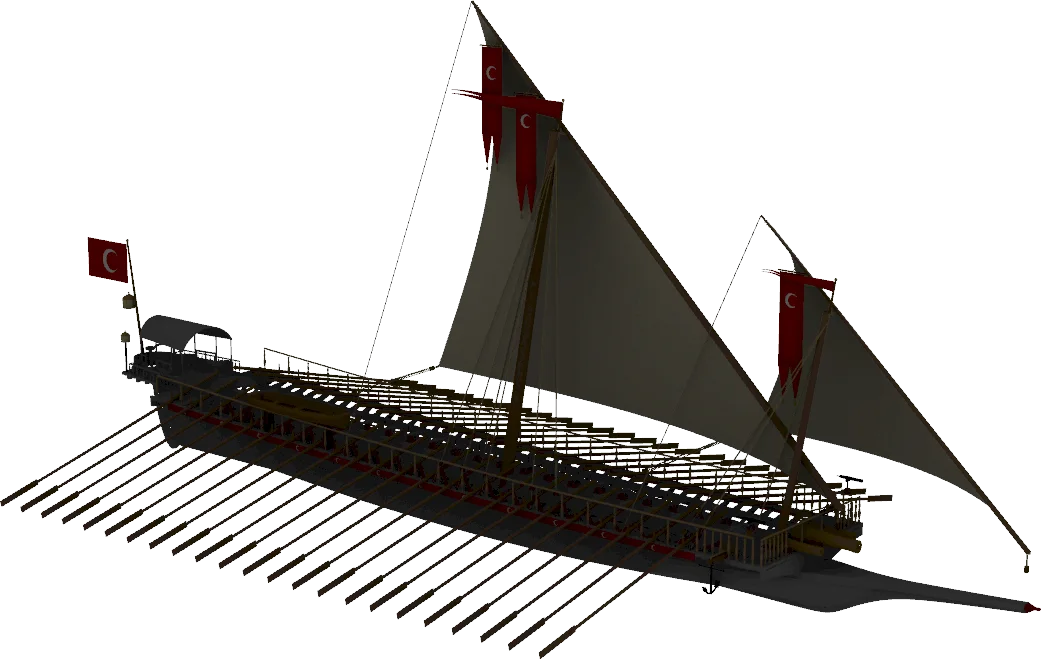
Read the story →A great chain closed the Golden Horn to the Ottoman fleet. So Sultan Mehmed II did something no one believed possible: he sent his ships over the land.
Read the story →A schooner from New York sailed into the heart of British yachting and won a silver cup. The race she started has never ended.
Read the story →