The King Watched Her Sink
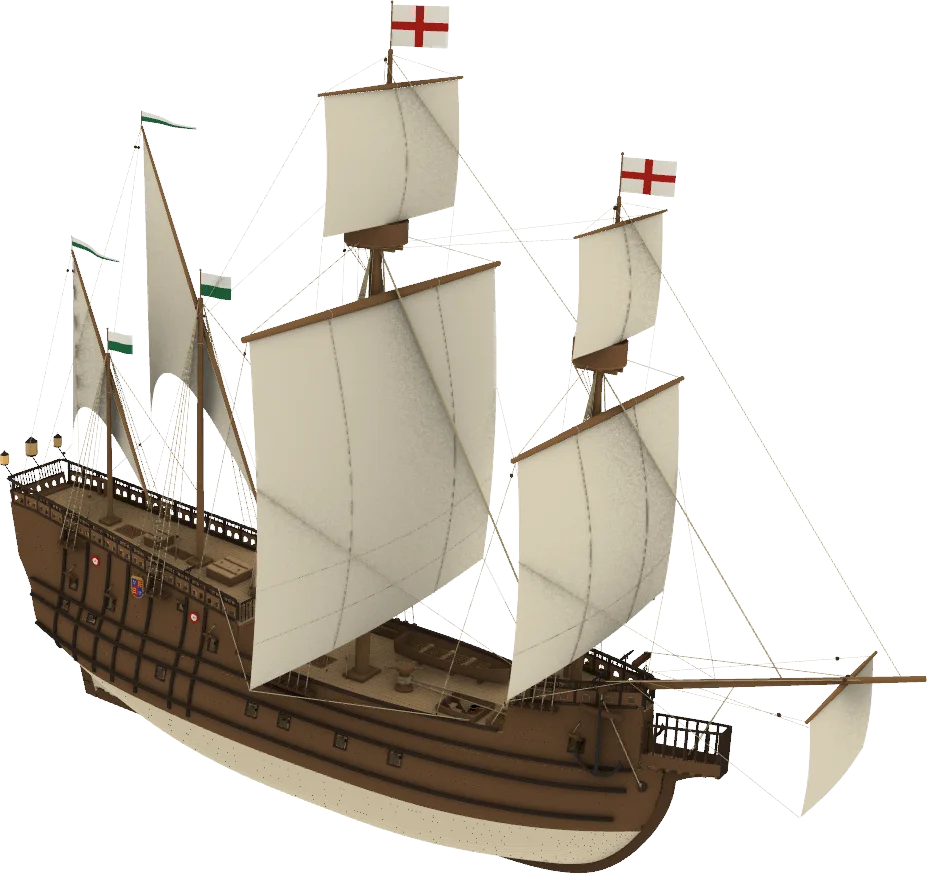
A French invasion fleet lay off the English coast. Henry VIII watched from the shore as his favourite warship sailed out to meet it, heeled over and went down.
Read the story →The shipwreck was only the beginning. While the commander sailed for help, a mutineer took control of the survivors on the islands, and a reign of terror began.
On 4 June 1629 the Dutch East Indiaman Batavia struck a reef in the Houtman Abrolhos, a scatter of low islands far off the western coast of Australia. Most of the more than three hundred people aboard reached the islands alive.
There was almost no fresh water. The commander, Francisco Pelsaert, took the ship’s longboat and set out for the city of Batavia in Java, thousands of kilometres away, to bring a rescue ship.
On the islands, the merchant Jeronimus Cornelisz seized control with a band of followers. Fearing they would be punished for an earlier plot, they began to murder the other survivors. More than a hundred men, women and children were killed.
A group of soldiers led by Wiebbe Hayes, sent to another island to find water, held out against the mutineers behind walls of stone. When Pelsaert returned, Hayes warned him in time. The mutineers were captured and punished, and the soldiers’ walls still stand, among the oldest European buildings in Australia.
A French invasion fleet lay off the English coast. Henry VIII watched from the shore as his favourite warship sailed out to meet it, heeled over and went down.
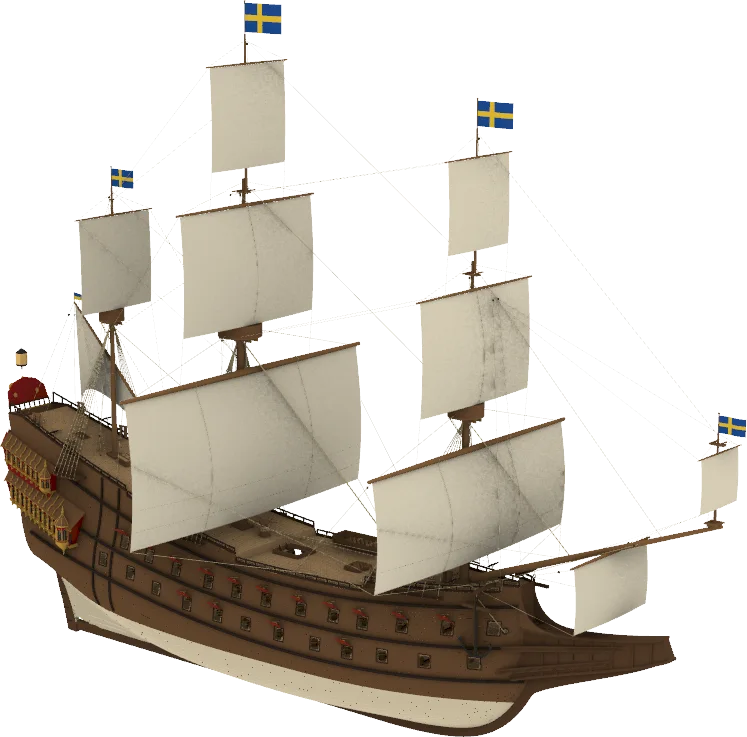
Read the story →Crowds lined the shore to watch the King's new warship set out. She had sailed little more than a kilometre when the wind caught her.
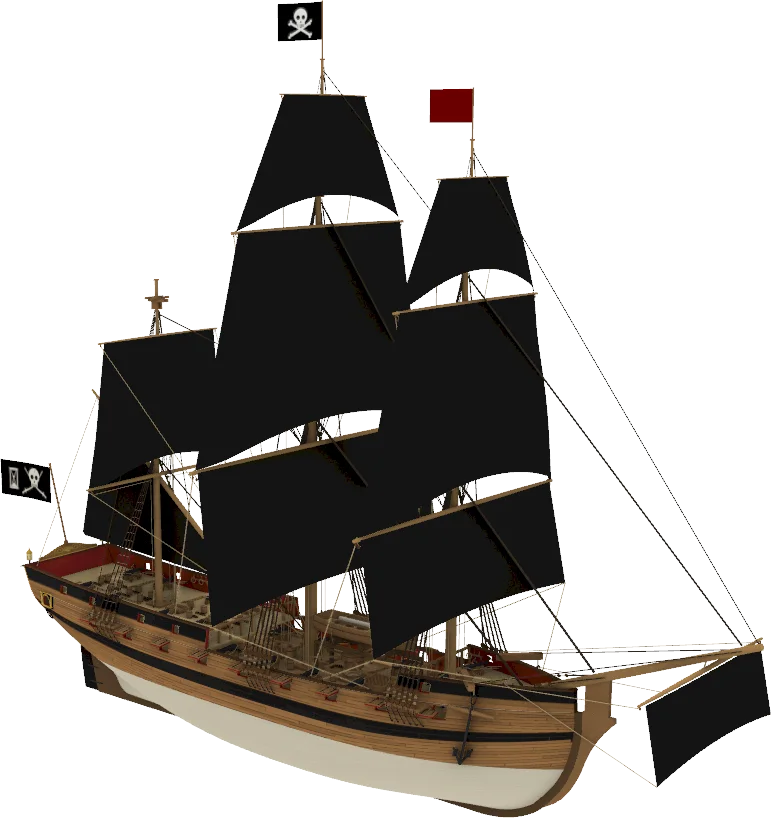
Read the story →In one year he captured more than fifty ships and became the richest pirate of his age. Then a spring storm off Cape Cod took his ship, his treasure and nearly all his men.
Read the story →