The Admiral of the Western Seas
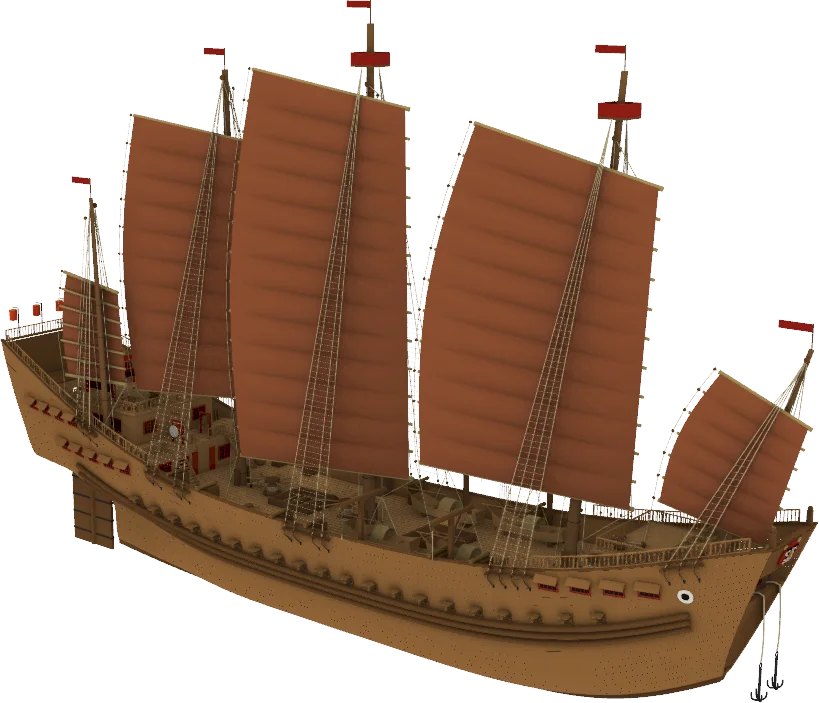
Long before Europe's great voyages, a Chinese admiral led fleets of hundreds of ships across the Indian Ocean seven times, and brought a giraffe home to the Emperor.
Read the story →A young man who hated being at sea joined a small survey ship for what was meant to be two years. He came back five years later with the ideas that would change science.
In 1831 Captain Robert FitzRoy was preparing HMS Beagle to chart the coasts of South America. He wanted an educated companion for the long voyage. The place went to Charles Darwin, 22 years old.
The Beagle sailed from Plymouth on 27 December 1831. For years she surveyed the coasts of Brazil, Argentina, Patagonia and Chile, while Darwin rode inland, collecting fossils, rocks, plants and animals and filling notebook after notebook.
In September 1835 the Beagle reached the Galápagos Islands. Darwin noticed that the finches, tortoises and mockingbirds differed slightly from island to island. He did not yet understand why.
The Beagle returned to England in October 1836 after almost five years. Darwin spent the next twenty years thinking about what he had seen, and in 1859 published On the Origin of Species.
Long before Europe's great voyages, a Chinese admiral led fleets of hundreds of ships across the Indian Ocean seven times, and brought a giraffe home to the Emperor.
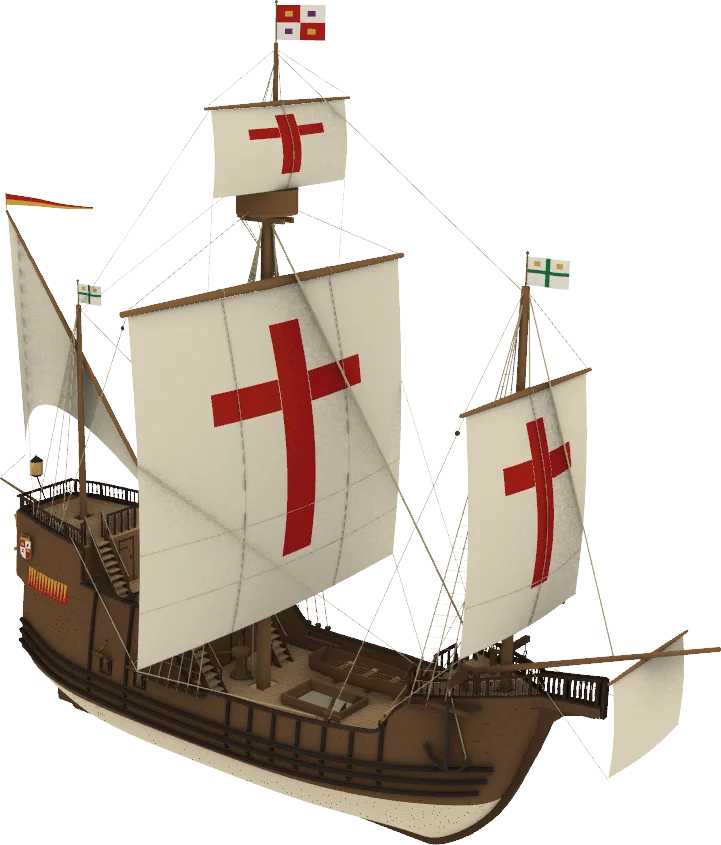
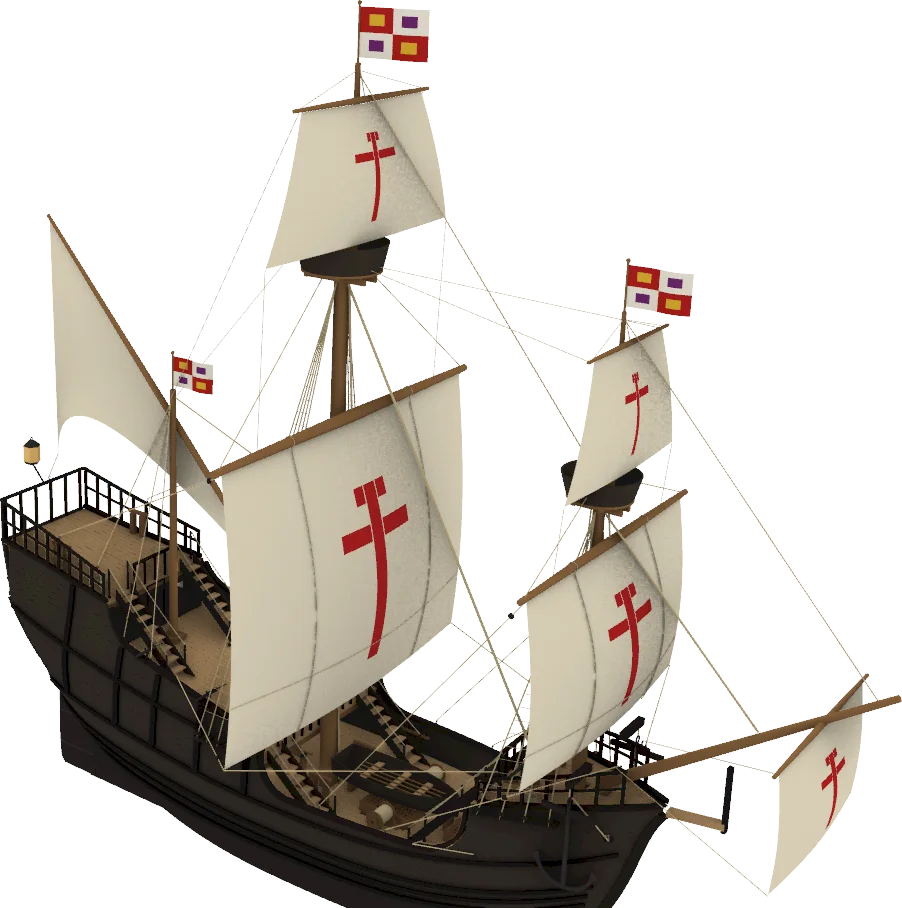
Read the story →Three small ships sailed west into an ocean no one had crossed and lived to tell of it. After five weeks without land, the crews were close to mutiny.
Read the story →About two hundred and seventy men set out in five ships. Three years later, eighteen came home in one. They were the first people to sail all the way around the world.
Read the story →