The Admiral of the Western Seas
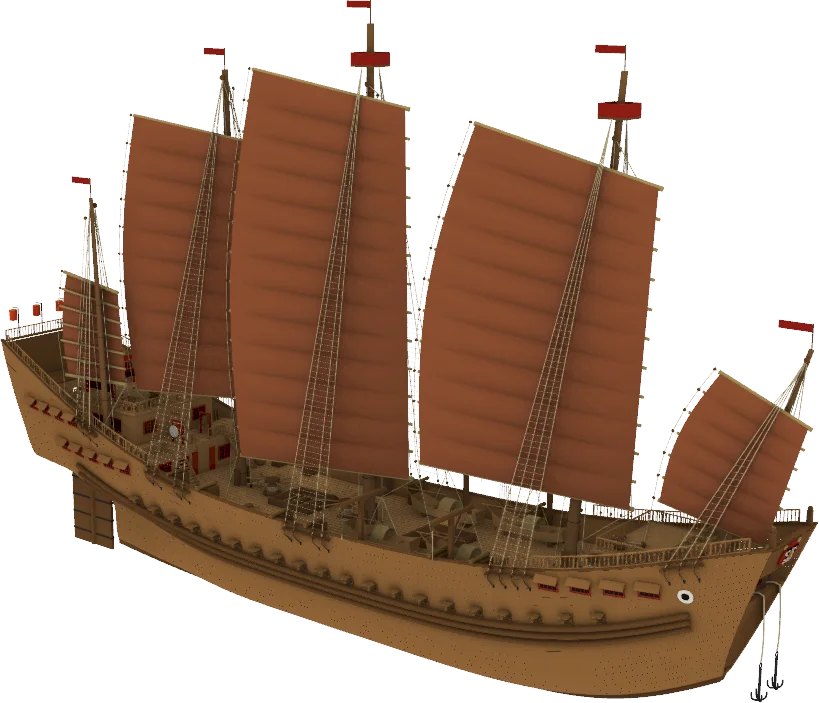
Long before Europe's great voyages, a Chinese admiral led fleets of hundreds of ships across the Indian Ocean seven times, and brought a giraffe home to the Emperor.
Read the story →Fridtjof Nansen had a daring idea: freeze a ship into the Arctic ice on purpose, and let the ice carry her across the top of the world.
Wreckage from an American ship crushed by ice near Siberia had been found on the coast of Greenland, on the other side of the Arctic. The Norwegian scientist Fridtjof Nansen concluded that the ice must drift right across the polar sea.
He had Fram built to survive the pressure of the ice, and in September 1893 he sailed her into the pack north of Siberia and let her freeze in. Slowly, the ice carried her west.
When it was clear Fram would not pass over the Pole, Nansen and Hjalmar Johansen left the ship with dogs and skis to try for it on foot. They reached farther north than anyone had before, then spent a winter in a stone hut before they were found.
In August 1896 the ice released Fram near Svalbard, exactly as Nansen had predicted. Ship and crew came home safely the same month as Nansen, three years after they had left.
Long before Europe's great voyages, a Chinese admiral led fleets of hundreds of ships across the Indian Ocean seven times, and brought a giraffe home to the Emperor.
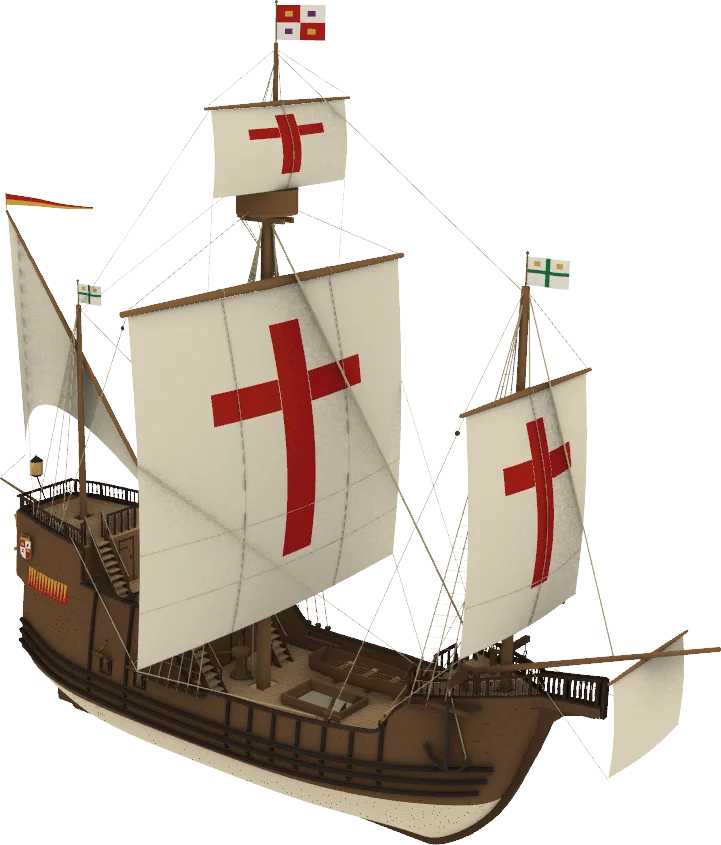
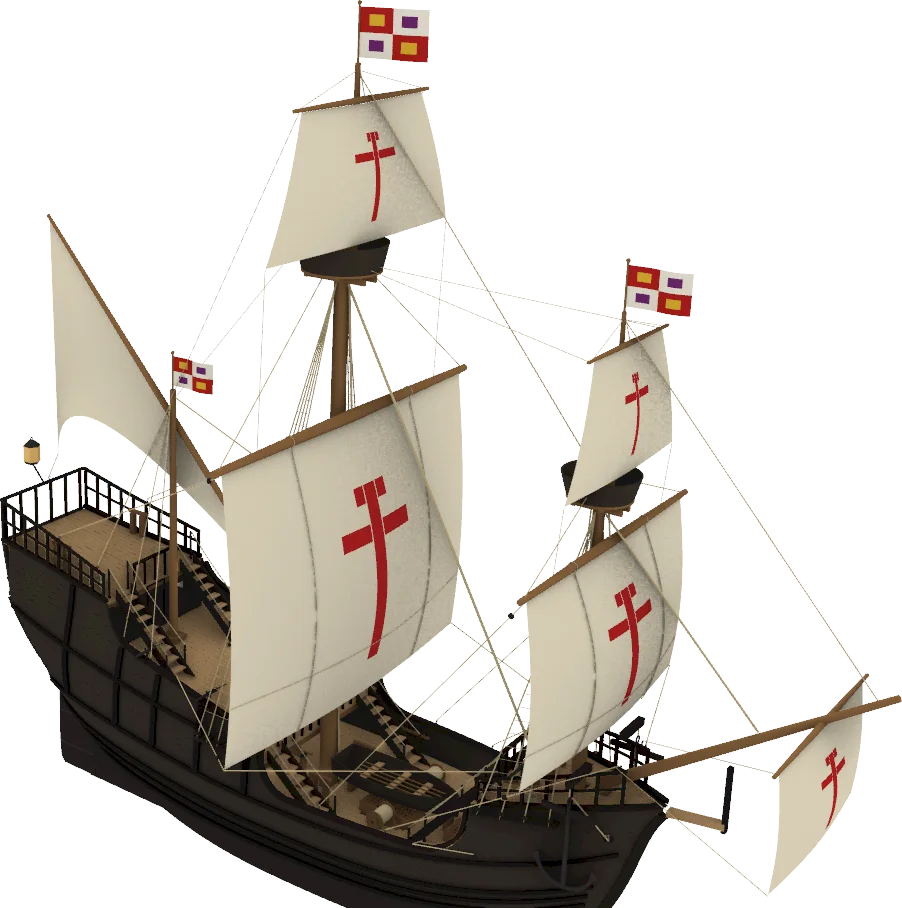
Read the story →Three small ships sailed west into an ocean no one had crossed and lived to tell of it. After five weeks without land, the crews were close to mutiny.
Read the story →About two hundred and seventy men set out in five ships. Three years later, eighteen came home in one. They were the first people to sail all the way around the world.
Read the story →