The Computer from the Seabed
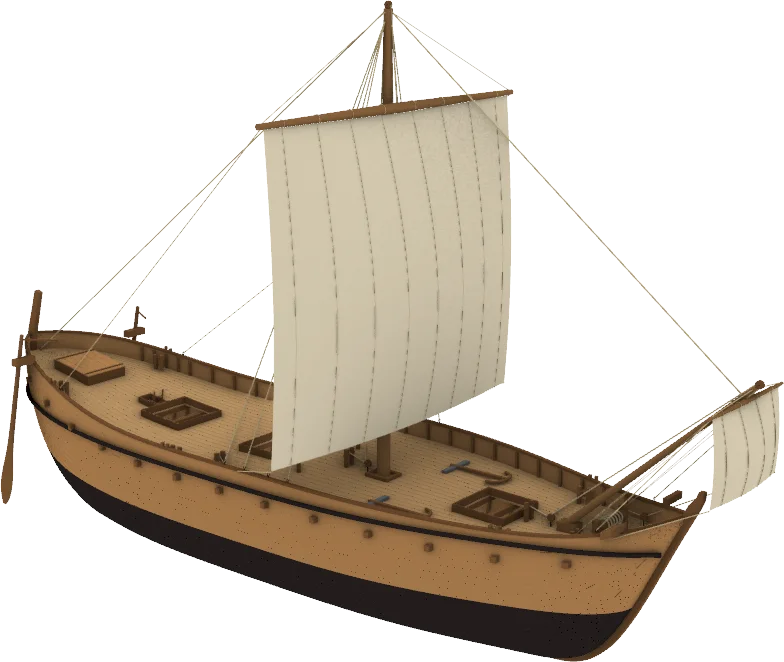
Sponge divers sheltering from a storm found a wreck full of statues. Hidden among the treasures was a lump of corroded bronze that would rewrite the history of technology.
Read the story →The most elegant liner on the Atlantic was painted grey, stripped of her luxury and filled with soldiers. She was too fast to catch, and she carried a whole army across the ocean.
When war came, Queen Mary was painted grey and her fine furniture put into storage. Bunks were fitted everywhere, even in the drained swimming pool, and she became a troopship.
She sailed alone, too fast for U-boats to catch, zig-zagging across the ocean. Hitler is said to have offered a reward to any U-boat captain who sank her. None ever did.
In July 1943 she carried 16,683 people across the Atlantic in a single voyage, the most people ever carried on one ship. Winston Churchill said the two Cunard Queens had helped shorten the war.
Her speed came at a cost. In 1942, while zig-zagging off Ireland, she struck her escort, the cruiser HMS Curacoa, and cut her in two. Under orders not to stop because of the U-boat danger, Queen Mary had to sail on. More than three hundred men of Curacoa died.
Sponge divers sheltering from a storm found a wreck full of statues. Hidden among the treasures was a lump of corroded bronze that would rewrite the history of technology.
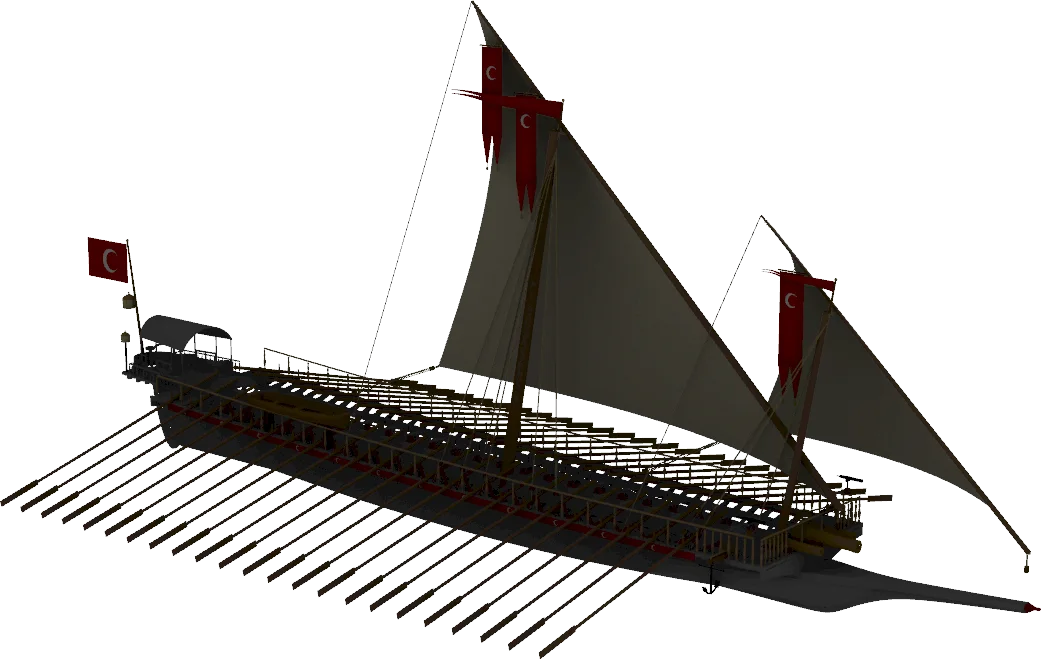
Read the story →A great chain closed the Golden Horn to the Ottoman fleet. So Sultan Mehmed II did something no one believed possible: he sent his ships over the land.
Read the story →A schooner from New York sailed into the heart of British yachting and won a silver cup. The race she started has never ended.
Read the story →