The Admiral of the Western Seas
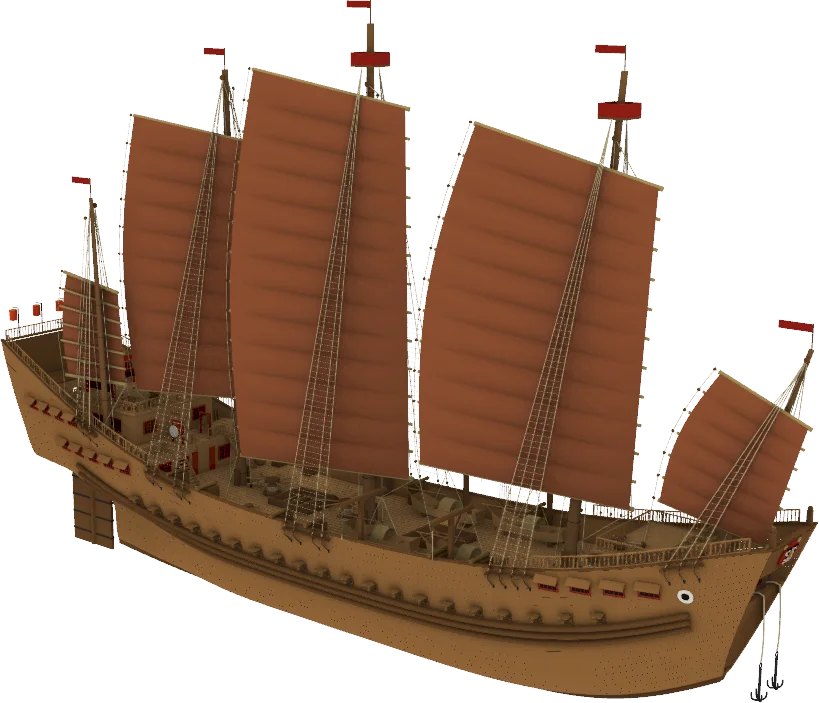
Long before Europe's great voyages, a Chinese admiral led fleets of hundreds of ships across the Indian Ocean seven times, and brought a giraffe home to the Emperor.
Read the story →The experts said a balsa raft would sink in two weeks. Six men set out to prove them wrong, with a radio, a parrot and nothing but the wind and the current to carry them.
Thor Heyerdahl believed that ancient South Americans could have crossed the Pacific on balsa rafts. Scholars laughed. The logs would soak up water and sink, they said.
In Peru, Heyerdahl and his crew built a raft of nine balsa logs, lashed together with rope in the old way, with a bamboo cabin and a square sail. They named her Kon-Tiki, after an ancient sun god.
On 28 April 1947 a tug towed them out to sea from Callao. The Humboldt Current and the trade winds carried them west. Flying fish landed on deck for breakfast, whale sharks swam beneath them, and storms soaked them for days.
After 101 days and about 6,900 kilometres, Kon-Tiki was thrown onto the coral reef of Raroia, in French Polynesia. All six men waded ashore. The raft is preserved in Oslo today.
Long before Europe's great voyages, a Chinese admiral led fleets of hundreds of ships across the Indian Ocean seven times, and brought a giraffe home to the Emperor.
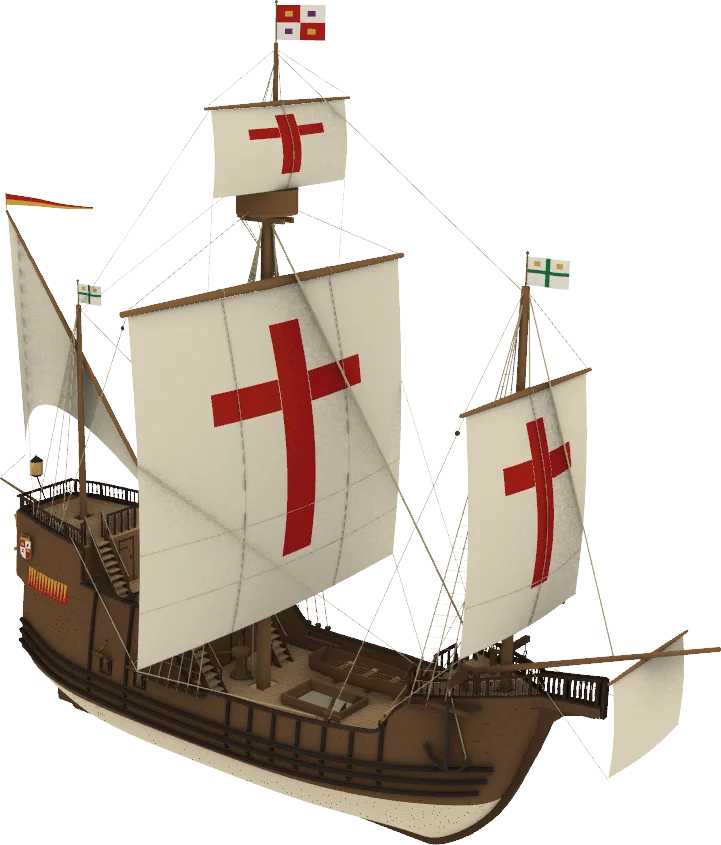
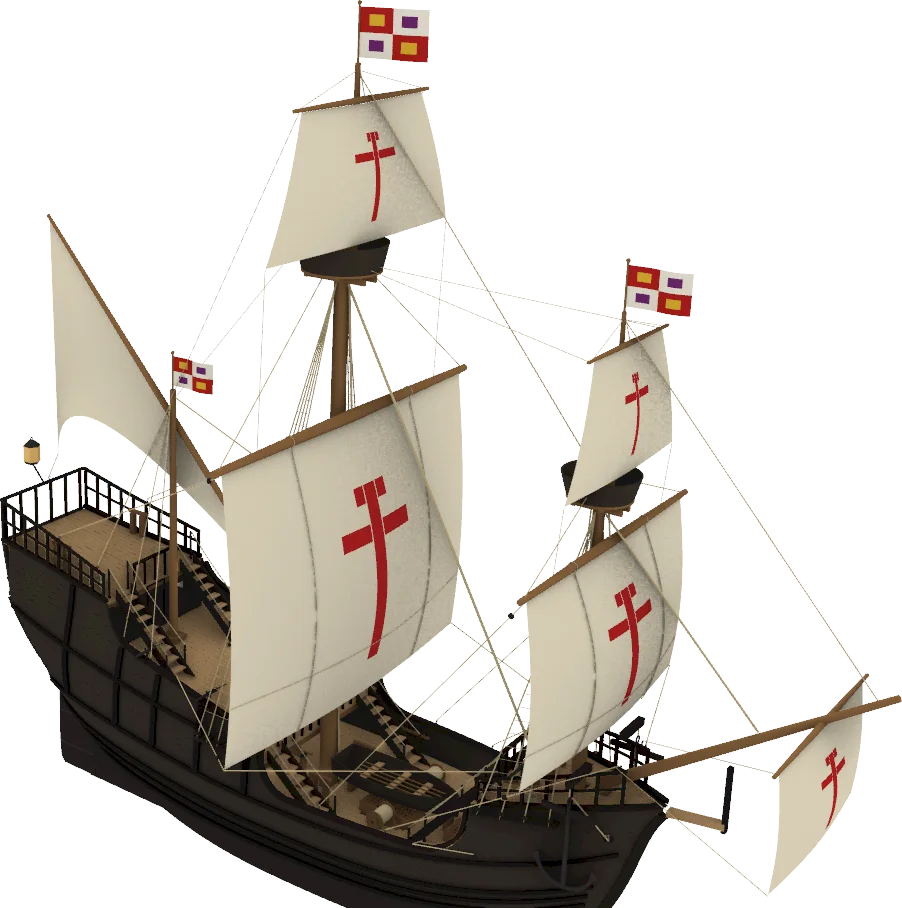
Read the story →Three small ships sailed west into an ocean no one had crossed and lived to tell of it. After five weeks without land, the crews were close to mutiny.
Read the story →About two hundred and seventy men set out in five ships. Three years later, eighteen came home in one. They were the first people to sail all the way around the world.
Read the story →