The Admiral of the Western Seas
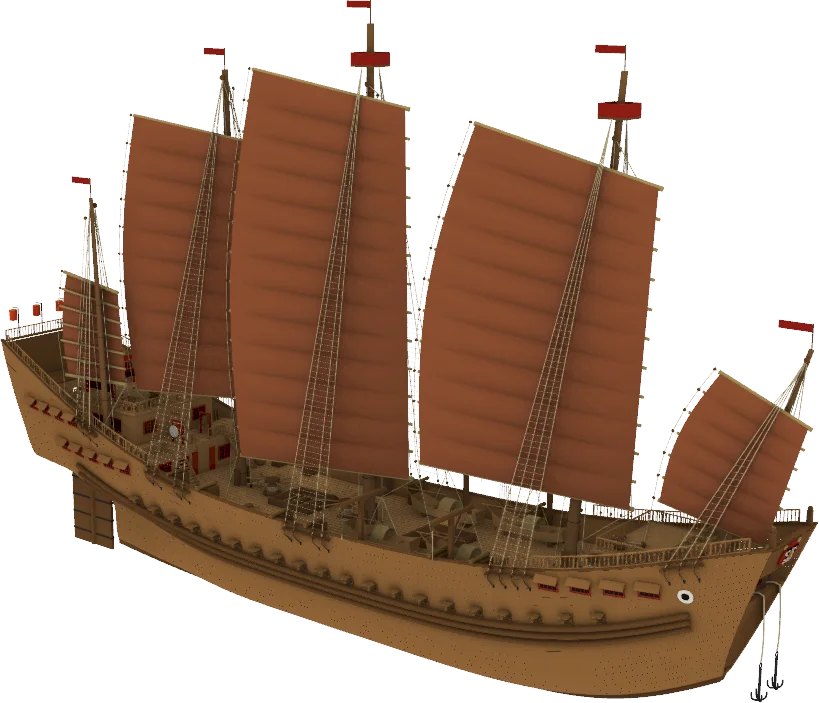
Long before Europe's great voyages, a Chinese admiral led fleets of hundreds of ships across the Indian Ocean seven times, and brought a giraffe home to the Emperor.
Read the story →A hundred and two passengers squeezed into the dark space between decks, crossing an autumn ocean in a ship built for carrying wine.
The settlers set out with two ships, but the smaller one, Speedwell, leaked so badly that both turned back twice. In the end Mayflower sailed alone from Plymouth in September 1620, packed with passengers.
The autumn Atlantic was rough. Gales cracked one of her main beams, and the crew forced it back into place with a great iron screw the settlers had brought. A young man named John Howland was swept overboard, caught a trailing rope and was hauled back aboard.
After sixty-six days they sighted Cape Cod, far north of where they had meant to go. Before going ashore, the men signed an agreement to make fair laws together: the Mayflower Compact.
They settled at a place they called Plymouth. That first winter was terrible, and almost half of them died. The survivors, helped by the Wampanoag people, lived to harvest their crops the following autumn.
Long before Europe's great voyages, a Chinese admiral led fleets of hundreds of ships across the Indian Ocean seven times, and brought a giraffe home to the Emperor.
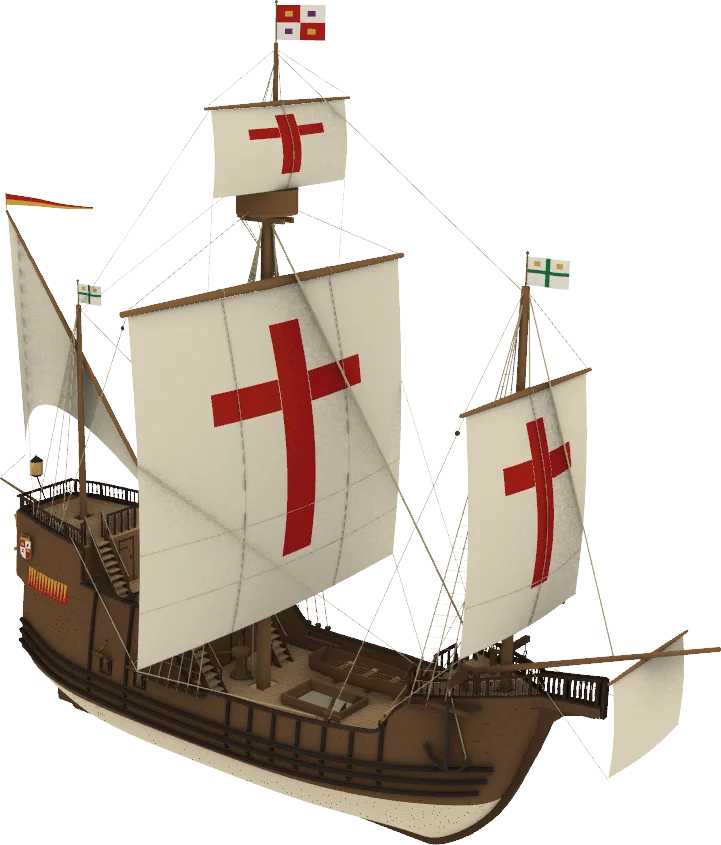
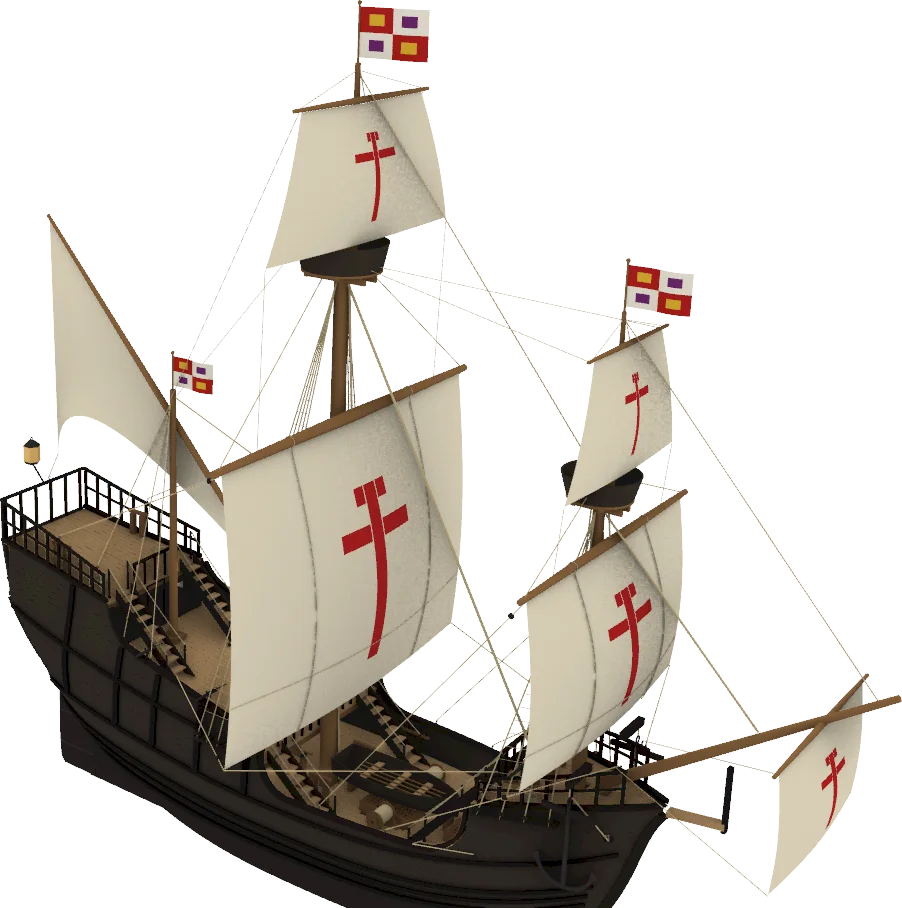
Read the story →Three small ships sailed west into an ocean no one had crossed and lived to tell of it. After five weeks without land, the crews were close to mutiny.
Read the story →About two hundred and seventy men set out in five ships. Three years later, eighteen came home in one. They were the first people to sail all the way around the world.
Read the story →