Taken from Ouidah
The captives of the Middle Passage
Hundreds of African men, women and children carried below her deck to be sold in Jamaica. Their names were never written down. They are the reason this exhibition exists.
A special exhibition · A day of remembrance
The story of the Whydah Gally: slave ship, pirate ship, wreck
From Ouidah to Cape Cod · built 1716 · taken February 1717 · lost on the night of 26 April 1717
They built her of honest oak and gave her a stolen name. Under one flag she carried the chained; under the other she carried the damned. The sea kept them both.
Go down into the holdWhydah Gally · London · 1716
Outward: cloth, iron, brandy, muskets
Ouidah · received on board
men
women
children
Middle Passage · lost overboard
Port Royal, Jamaica · sold
Paid in gold, ivory, indigo, sugar
This was a crime.
Act I · London, 1716The Ledger
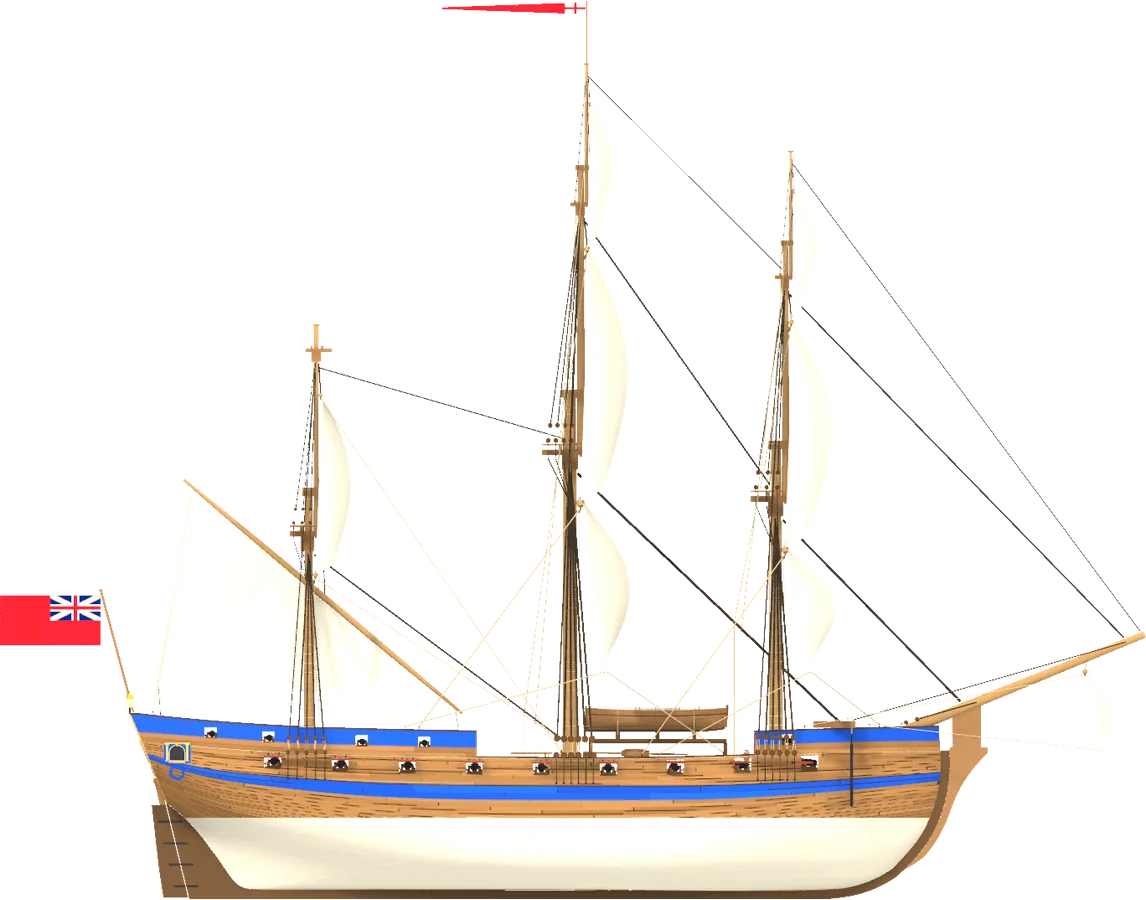
They built her in London of honest oak,and gave her a name stolen from a shore.
Ouidah, a town of the Bight of Benin,whose people she was built to carry away.
Gilt round her windows, blue on her wales.None who drank to her launching would sleep a night in her hold.
Below her bright deck lay a darknessthe ledgers called cargo.
Mothers were written down as numbers, fathers as weight,children as fractions of a man.
The ink on the bills of sale dried in an afternoon.The grief it wrote has not dried in three hundred years.
Let it be said plainly:this was not commerce. It was a crime.It is a crime still, wherever one person is owned by another.
February 1717Three days in the Windward Passage
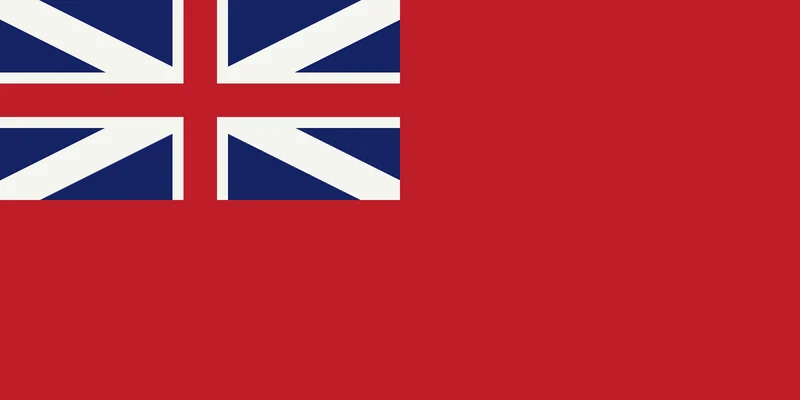
Two guns for honour. Then the red ensign came down.
Act II · The Caribbean, 1717The Account
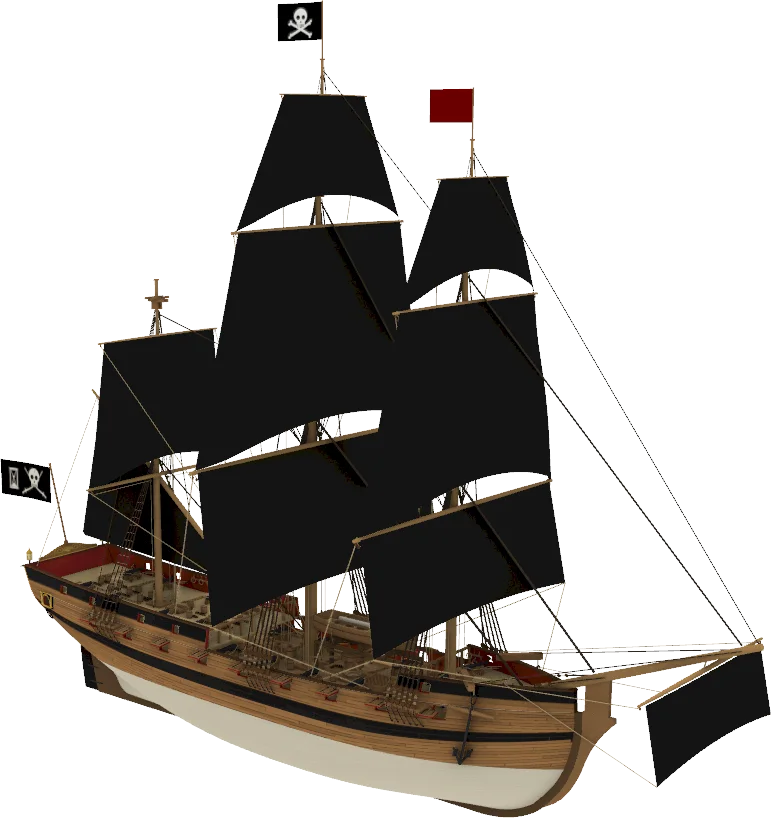
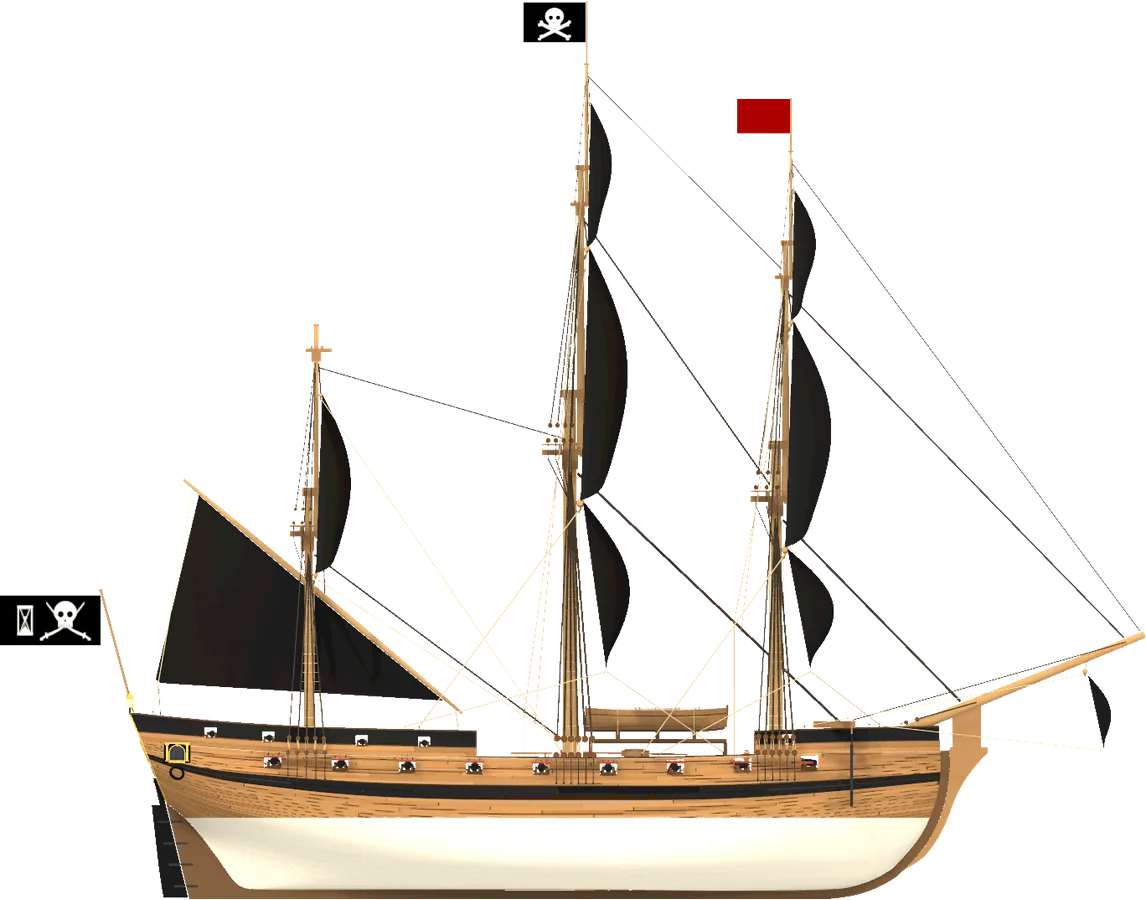
They tore the merchant's colours from her sternand sent the black one up the main.
They dipped her sails in tar and sootuntil she wore the night by day.
The ship built to sell human beingsnow carried men who could not be bought.
Prize after prize in her wake, gold in her hold:the same gold the slave trade had paid.
Spring came up from the Caribbean,and the black ship sailed north, into the gale.
Whydah GallyPirate flagship (former slave ship) · 1717
A nor'easter off Cape Cod
Here she lies
Whydah Gally
9 metres down · From Ouidah to Cape Cod
Found by Barry Clifford in 1984; her bell raised in 1985
This is not a pirate legend with a happy treasure at the end. It begins with a crime, and the crime is the heart of it.
In 1715 the shipwrights of London laid down a fast, handsome three-masted galley and named her after a port on the coast of West Africa: Ouidah, which English sailors wrote as Whydah. It was not an honour. Ouidah was one of the busiest slave markets on the Bight of Benin, and the Whydah Gally was built to serve it. Her bell was cast with the words THE WHYDAH GALLY 1716. Her ledgers were ruled before her first voyage.
Her trade ran in three legs, and each one was a wound. Out from England she carried cloth, iron, brandy and guns. At Ouidah those goods were exchanged for men, women and children, taken from their homes by war and raiding, marched to the coast and sold. Then came the Middle Passage: weeks across the Atlantic with hundreds of people chained below her deck in heat, darkness and filth, where sickness spread from body to body and the dead were thrown to the sharks that followed slave ships across the ocean.
On paper it was all very orderly. A captive was a line in a book. Mothers were counted, fathers were weighed, children were written down as fractions of an adult. In Jamaica the hatches opened on a market, and the survivors were sold to the sugar plantations, where most of them would be worked to death. The Whydah was paid in gold, ivory, indigo and sugar, and she turned for home with her hold full and her conscience empty. Everything about this voyage was legal. That is the most terrible part of it.
In February 1717, homeward bound between Cuba and Hispaniola, the Whydah saw sails astern. They were the pirate Samuel Bellamy, Black Sam, and his consort, and they did not go away. For three days they hunted her. When the pirates were close enough, her master Lawrence Prince fired two guns, more for honour than for hope, then struck his colours. The gold of the slave trade changed hands without another shot.
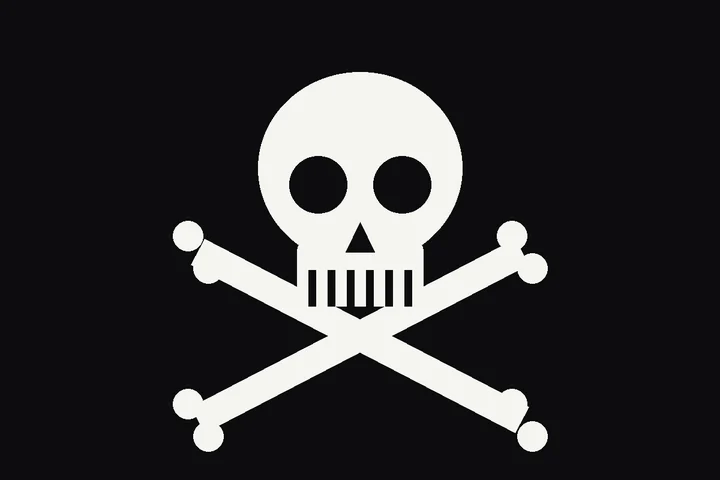
Bellamy made her his flagship. The red ensign came down and the black flag went up the main: a grinning skull over crossed bones. She was given more guns, twenty-eight in all, and a crew of well over a hundred men from many nations. Among them, by many accounts, were Africans who had come aboard ships like her in chains and now stood on her deck free and armed. Pirates were thieves and killers, and many of their victims were ordinary sailors. But on the Whydah every man had a vote and a share, and no man was owned by another.
Through the spring of 1717 she went north along the American coast, taking prize after prize, her hold heavy with gold and silver: the same gold the slave trade had paid for the people she once carried. On the evening of 26 April, off Cape Cod, fog closed in and a violent nor'easter came down on her. Driven toward the shore of Wellfleet, she could not claw off the outer bar. Near midnight she struck, rolled over in the surf and broke apart.
Of about a hundred and forty-six people aboard the Whydah, two reached the beach alive: Thomas Davis, a Welsh carpenter, and John Julian, a young Miskito man from Central America. Black Sam Bellamy drowned with his crew. The bodies and the wreckage washed up along miles of beach for days. The sand closed over the rest of her, and for more than two centuries the Whydah was a story told in Cape Cod taverns.
In 1984 the explorer Barry Clifford found her wreck in shallow water off Wellfleet. In 1985 divers raised her bell, and through the crust of the sea they read her name: THE WHYDAH GALLY 1716. She became the first pirate shipwreck in the world ever to be proven by her own name. Among the coins and cannon, the sea had also kept iron shackles. The ship had carried her first crime to the bottom with her.
A corner of the exhibition
The pages of Whydah Gally's life, as a watch officer might have written them.
Log of Whydah GallyPirate flagship (former slave ship)
Whydah Gally
1717
The people of the Whydah
Most of the people who suffered aboard her left no names at all. These are the few we know.
Hundreds of African men, women and children carried below her deck to be sold in Jamaica. Their names were never written down. They are the reason this exhibition exists.
Commanded her on the slave voyage and surrendered her to Bellamy. The pirates let him go, and gave him one of their own ships to sail home in.
One of the most successful pirates of his age. Drowned with his ship on the night of 26 April 1717, not yet thirty years old.
Her exhibit in the museum →A Welsh ship's carpenter forced to join the pirates. He reached the beach alive, was tried in Boston and acquitted.
A young Miskito man from Central America and one of only two survivors. Records suggest he was later sold into slavery in Massachusetts: the crime of the ship's first life followed him ashore.
They vilify us, the scoundrels do, when there is only this difference: they rob the poor under the cover of law, forsooth, and we plunder the rich under the protection of our own courage.
Dressed overall
Whydah Gally, spelled in the International Code of Signals, as a ship is dressed with flags from stem to stern. Touch a flag to read what it says when flown alone.
The Whydah was the first pirate shipwreck in the world to be identified beyond doubt, by the bell raised from her wreck in 1985.
Shackles were recovered from her wreck. She is one of very few ships of the Atlantic slave trade whose remains can be studied and shown to the public.
The slave trade was a crime against humanity, and it was legal. Today slavery is illegal everywhere, yet around fifty million people are held in modern slavery and forced labour. Remembering the Whydah means refusing to look away from them.
In one year he captured more than fifty ships and became the richest pirate of his age. Then a spring storm off Cape Cod took his ship, his treasure and nearly all his men.
Read the story →A quiet corner
For those who sailed and did not come home. Light one, and watch it drift over From Ouidah to Cape Cod.
Two flags flew from her masts and the sea took both. What it could not take is the record of what she was built to do. Say it plainly, and say it again: no one may own another human being.
Remembered every year on 26 April