The King Watched Her Sink
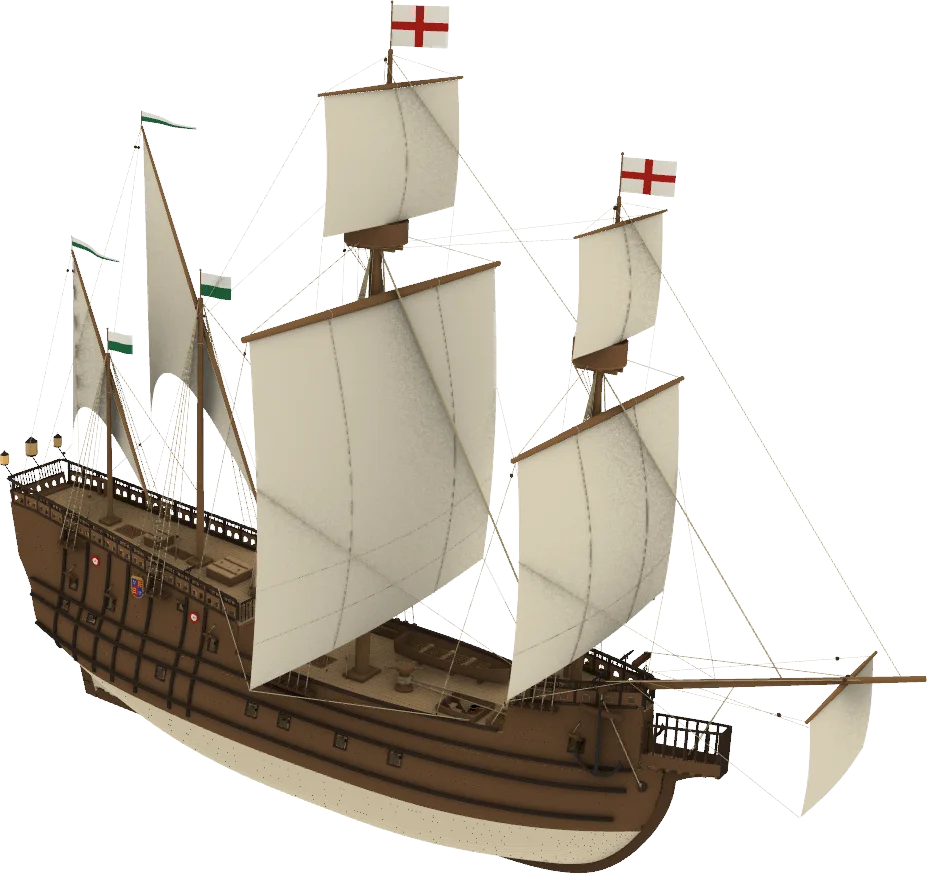
A French invasion fleet lay off the English coast. Henry VIII watched from the shore as his favourite warship sailed out to meet it, heeled over and went down.
Read the story →A ferry full of passengers crossed the Baltic in a storm. A little after midnight, the hinged bow of the ship tore away.
On the evening of 27 September 1994, the ferry Estonia left Tallinn for Stockholm with 989 people aboard. A storm was building over the Baltic, with winds of gale force and heavy seas.
Around one in the morning, passengers heard loud bangs from the bow. The heavy bow visor, the ship’s hinged nose, was being torn from its locks by the waves. When it broke away it pulled open the car ramp behind it, and the sea poured onto the car deck.
Estonia rolled over quickly. Many people never managed to leave their cabins. Those who reached the deck jumped into the cold, dark sea or onto life rafts. The ship was gone in less than an hour.
Helicopters and ships rescued 137 people. 852 died, in one of the worst peacetime disasters in Europe since the Second World War. The wreck was declared a grave, and safety rules for ferries were rewritten across Europe.
A French invasion fleet lay off the English coast. Henry VIII watched from the shore as his favourite warship sailed out to meet it, heeled over and went down.
Read the story →Crowds lined the shore to watch the King's new warship set out. She had sailed little more than a kilometre when the wind caught her.
Read the story →The shipwreck was only the beginning. While the commander sailed for help, a mutineer took control of the survivors on the islands, and a reign of terror began.
Read the story →