Forty-Seven Days in an Open Boat
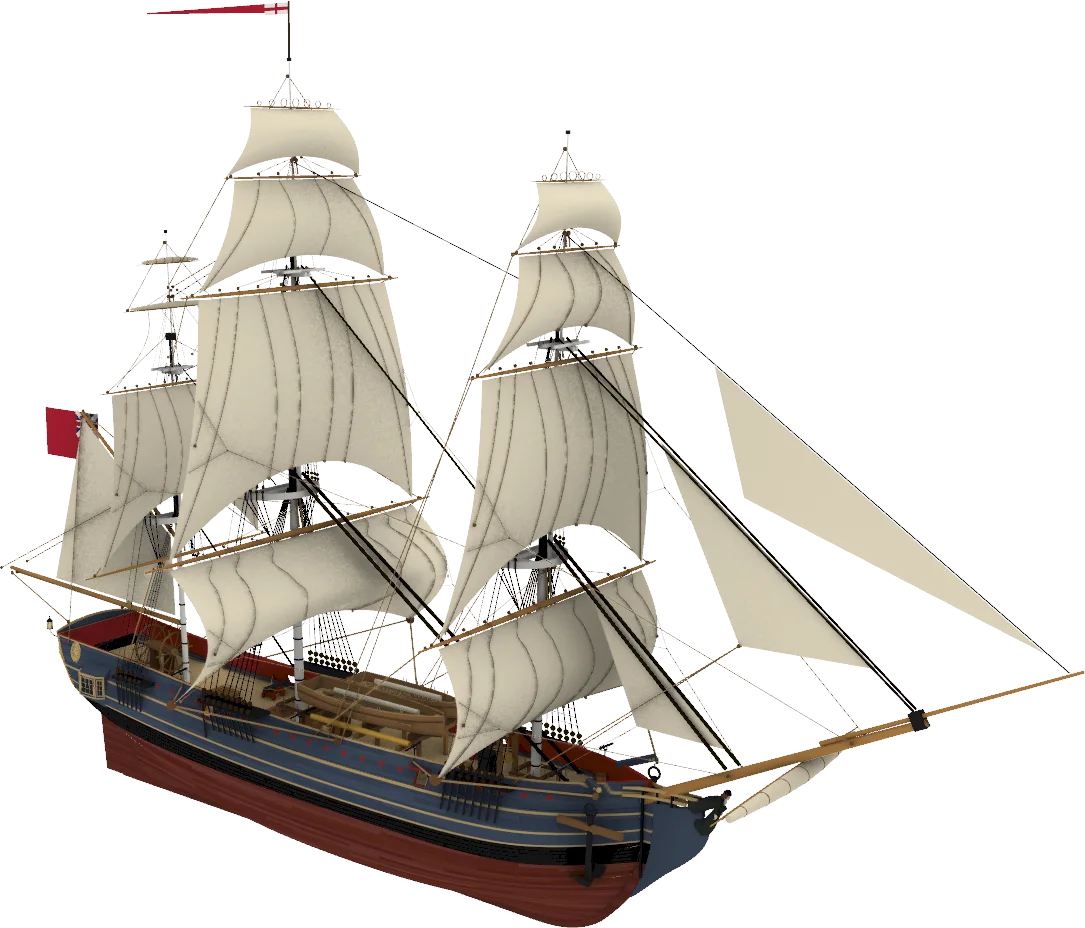
The mutineers set their captain adrift with eighteen loyal men in a boat seven metres long. Bligh sailed it 6,700 kilometres to safety.
Read the story →A typhoon threw an Ottoman frigate onto the rocks of a small Japanese island. The villagers who ran down to the shore began a friendship that has lasted more than a century.
The frigate Ertuğrul left Istanbul in July 1889 on a mission of friendship to Japan. After almost a year at sea she reached Yokohama, and her officers were received by Emperor Meiji. It was the first visit of its kind between the two empires.
On 16 September 1890, homeward bound, she was caught by a typhoon off the coast of Wakayama. The storm drove her onto the reefs below the Kashinozaki lighthouse, on the island of Ōshima. She broke apart in the dark. More than 500 of her men were lost, among them Admiral Ali Osman Pasha.
A few survivors climbed the cliffs to the lighthouse and raised the alarm. The people of the small fishing village came down to the shore in the storm. They carried the injured up the cliffs, warmed them with their own bodies and fed them from what little food they had. Sixty-nine men survived, and Japanese warships later carried them home to Istanbul.
In 1985, during the Iran–Iraq war, Japanese citizens were stranded in Tehran with no way out. Turkish Airlines sent planes and flew 215 of them to safety. In both countries it is remembered as a debt repaid, ninety-five years after the night at Kashinozaki.
The mutineers set their captain adrift with eighteen loyal men in a boat seven metres long. Bligh sailed it 6,700 kilometres to safety.
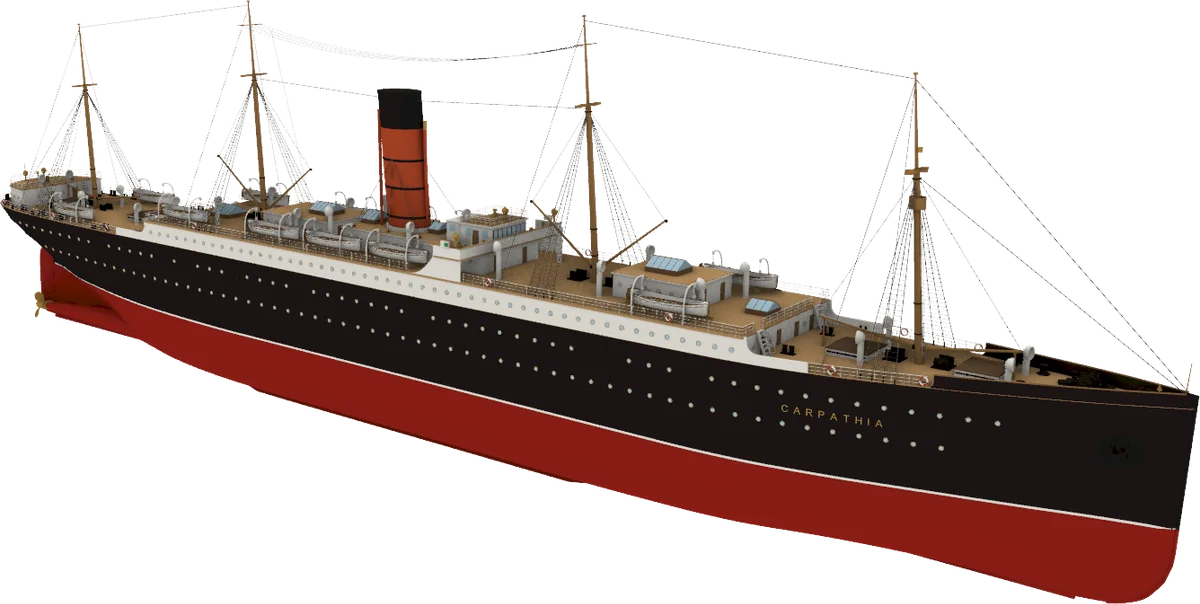
Read the story →When Titanic's call for help reached a small Cunard liner 58 miles away, her captain turned her around and drove her through an icefield in the dark.
Read the story →Their ship was crushed, their radio could reach no one, and the nearest help lay across 1,300 kilometres of the worst ocean on Earth. All 28 men came home.
Read the story →