Forty-Seven Days in an Open Boat
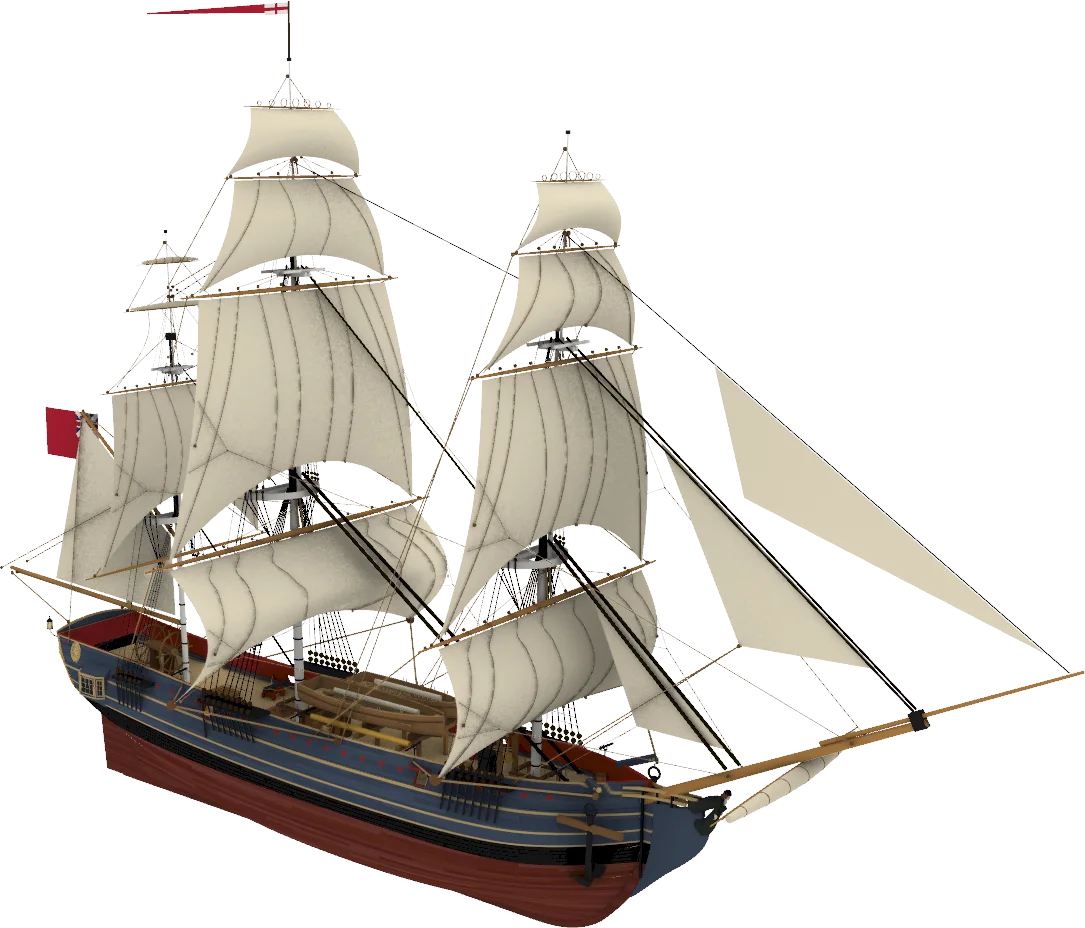
The mutineers set their captain adrift with eighteen loyal men in a boat seven metres long. Bligh sailed it 6,700 kilometres to safety.
Read the story →Struck in fog the night before reaching New York, Italy's finest liner was sinking. Ships raced from every direction, and by morning almost everyone aboard was safe.
On the night of 25 July 1956, Andrea Doria was nearing the end of her voyage from Genoa to New York, steaming through thick fog off Nantucket. The Swedish liner Stockholm was heading the other way. Both ships saw each other on radar, and both turned the wrong way.
At 23:10 Stockholm’s ice-strengthened bow struck Andrea Doria’s side and tore deep into her. Water flooded in and she listed so sharply that the lifeboats on her high side could not be lowered. Half her boats were useless.
Her distress call brought ships from all over the area. The French liner Île de France turned back from her voyage and arrived in the middle of the night, her lights blazing. She alone took aboard more than 750 people. Stockholm, damaged but afloat, took hundreds more.
When Andrea Doria capsized and sank the next morning, 1,660 people had been saved. Forty-six died aboard her, most of them killed in the collision itself. It was one of the greatest rescues at sea in history.
The mutineers set their captain adrift with eighteen loyal men in a boat seven metres long. Bligh sailed it 6,700 kilometres to safety.
Read the story →A typhoon threw an Ottoman frigate onto the rocks of a small Japanese island. The villagers who ran down to the shore began a friendship that has lasted more than a century.
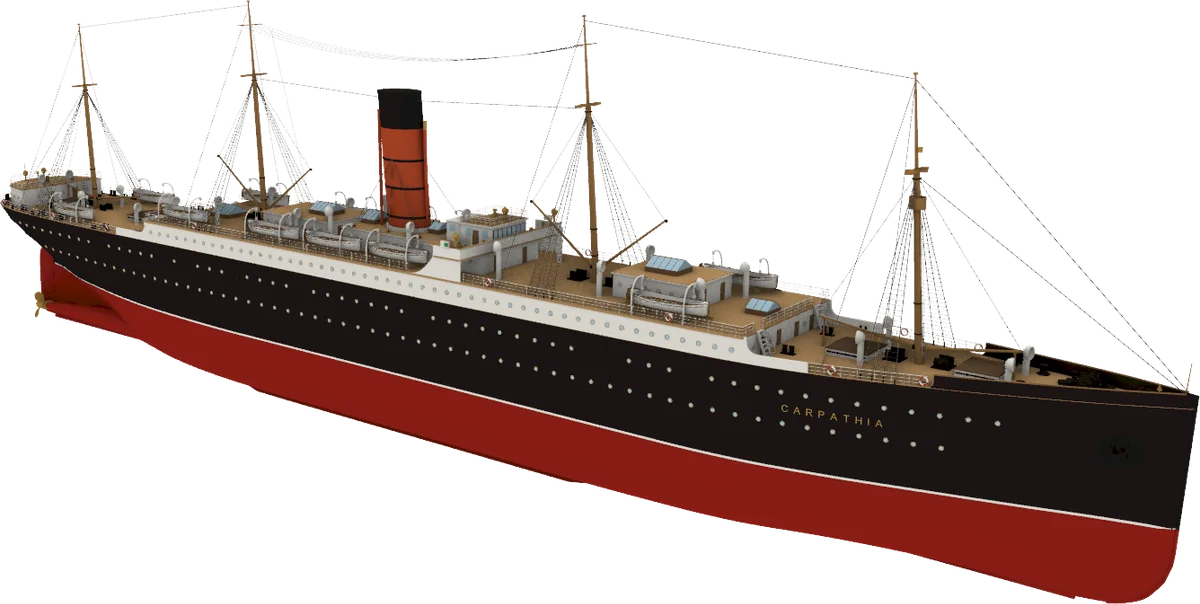
Read the story →When Titanic's call for help reached a small Cunard liner 58 miles away, her captain turned her around and drove her through an icefield in the dark.
Read the story →