Forty-Seven Days in an Open Boat
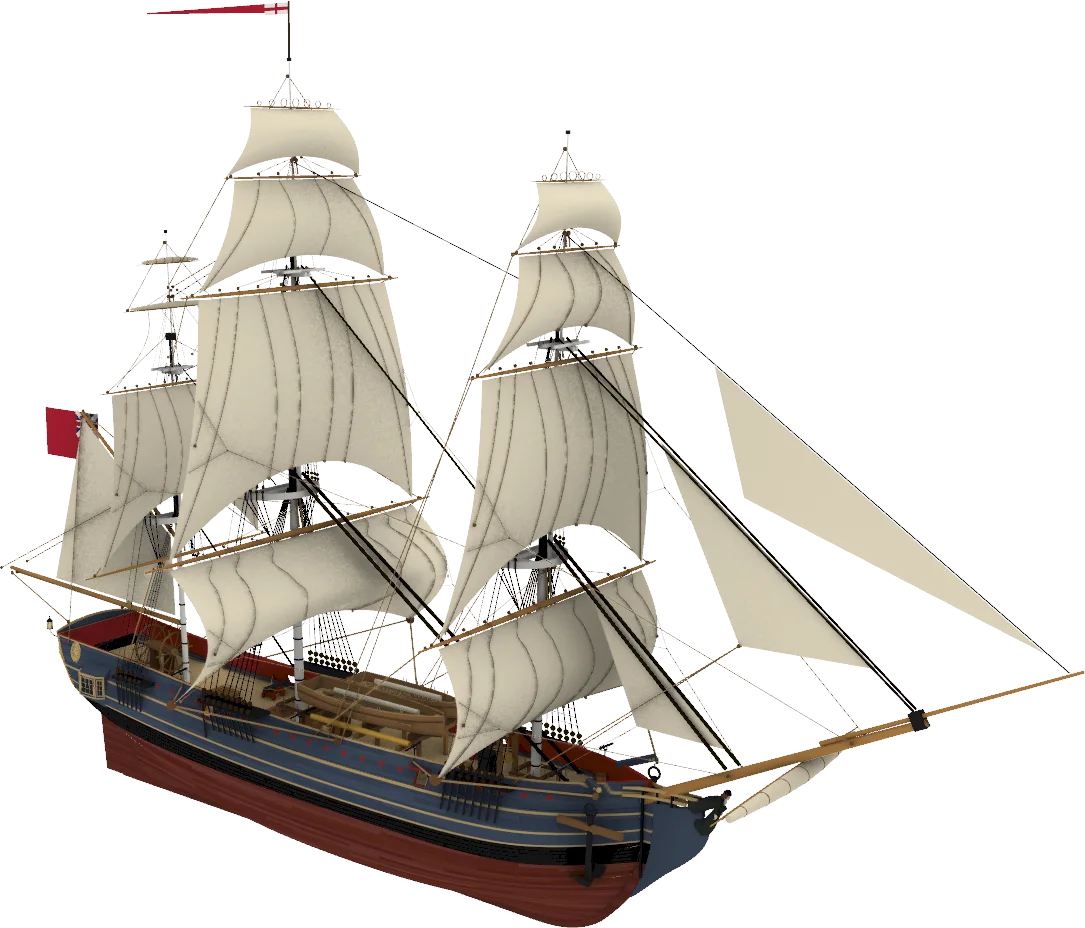
The mutineers set their captain adrift with eighteen loyal men in a boat seven metres long. Bligh sailed it 6,700 kilometres to safety.
Read the story →An army was trapped on the beaches with its back to the sea. Destroyers, ferries, fishing boats, pleasure yachts and paddle steamers crossed the Channel to bring it home.
In May 1940 the German army broke through in France. The British army and many French soldiers were pushed back to the port of Dunkirk and the beaches around it, surrounded on three sides.
The Royal Navy planned to rescue as many men as it could. Destroyers and ferries took soldiers from the harbour mole. But the beaches were too shallow for big ships.
So a call went out for small boats. Hundreds of them crossed the Channel: fishing boats, lifeboats, tugs, barges, river cruisers and private yachts, many crewed by their own owners. They ferried soldiers from the beaches to the larger ships offshore, under fire from the air.
In nine days more than 338,000 soldiers were brought back to England. The army had lost its equipment, but not its men. The little ships that survived still gather every few years, proudly flying the flag of the Dunkirk Little Ships.
The mutineers set their captain adrift with eighteen loyal men in a boat seven metres long. Bligh sailed it 6,700 kilometres to safety.
Read the story →A typhoon threw an Ottoman frigate onto the rocks of a small Japanese island. The villagers who ran down to the shore began a friendship that has lasted more than a century.
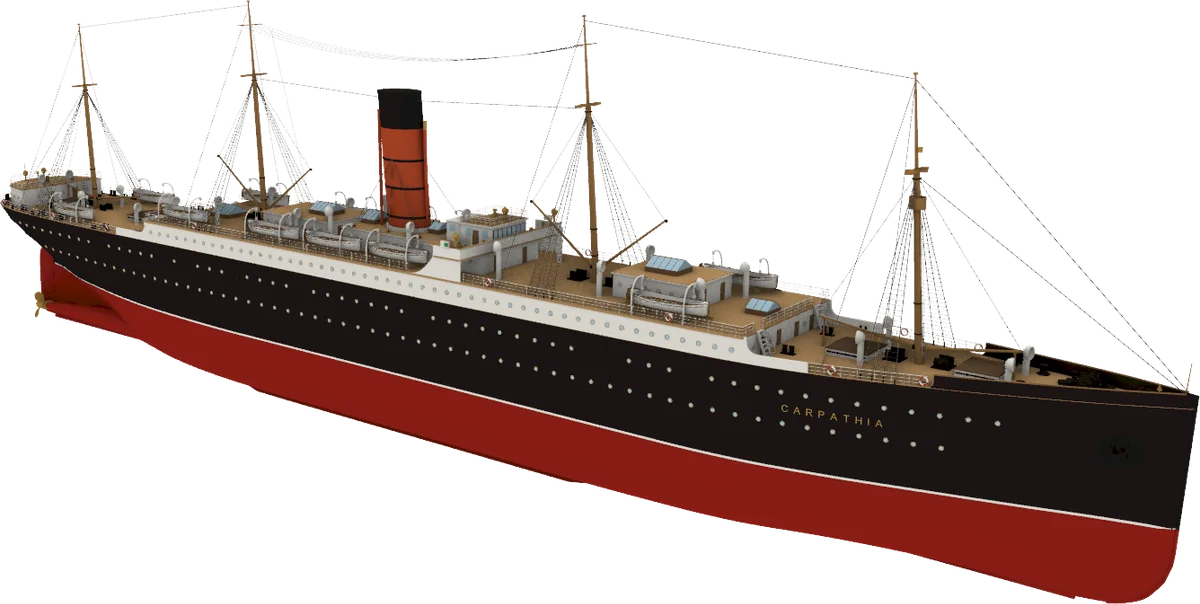
Read the story →When Titanic's call for help reached a small Cunard liner 58 miles away, her captain turned her around and drove her through an icefield in the dark.
Read the story →