Forty-Seven Days in an Open Boat
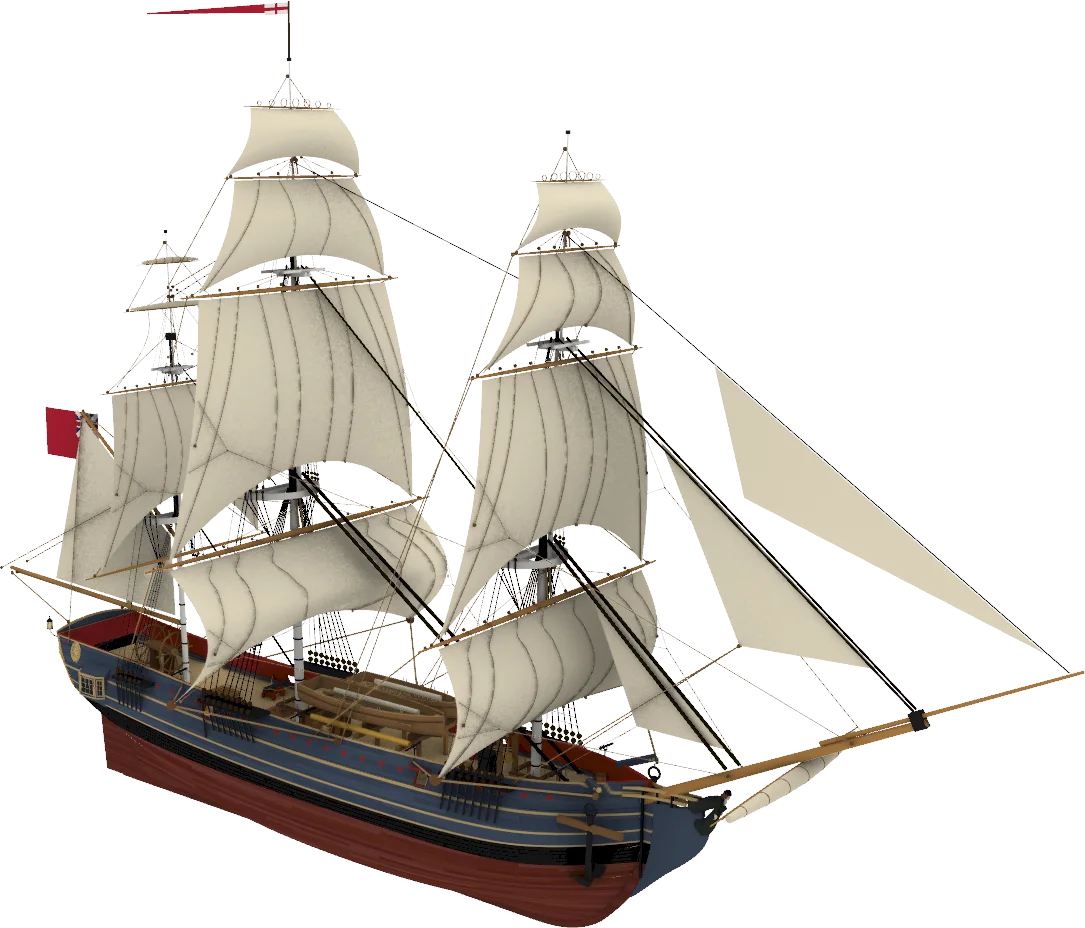
The mutineers set their captain adrift with eighteen loyal men in a boat seven metres long. Bligh sailed it 6,700 kilometres to safety.
Read the story →A Japanese destroyer cut their boat in two in the dark. Eleven survivors swam for an island, and a message scratched on a coconut brought them home.
On the moonless night of 2 August 1943, PT-109 was patrolling Blackett Strait in the Solomon Islands. Out of the darkness the Japanese destroyer Amagiri appeared at speed and sliced straight through her. Petrol from her tanks caught fire on the water. Two of the crew were never seen again.
The eleven survivors clung to the floating bow through the night. Then their commander, Lieutenant John F. Kennedy, led them to a small island several kilometres away, towing a badly burned crewman by gripping the strap of his life jacket in his teeth.
For days they hid and searched for help. They were found by two Solomon Islander scouts, Biuku Gasa and Eroni Kumana, who were watching for Allied sailors. Kennedy scratched a message on a coconut husk, and the two men paddled it by canoe to an Allied base.
On 8 August a rescue boat brought all eleven men home. Kennedy kept the coconut for the rest of his life, and it sat on his desk in the White House when he became President.
The mutineers set their captain adrift with eighteen loyal men in a boat seven metres long. Bligh sailed it 6,700 kilometres to safety.
Read the story →A typhoon threw an Ottoman frigate onto the rocks of a small Japanese island. The villagers who ran down to the shore began a friendship that has lasted more than a century.
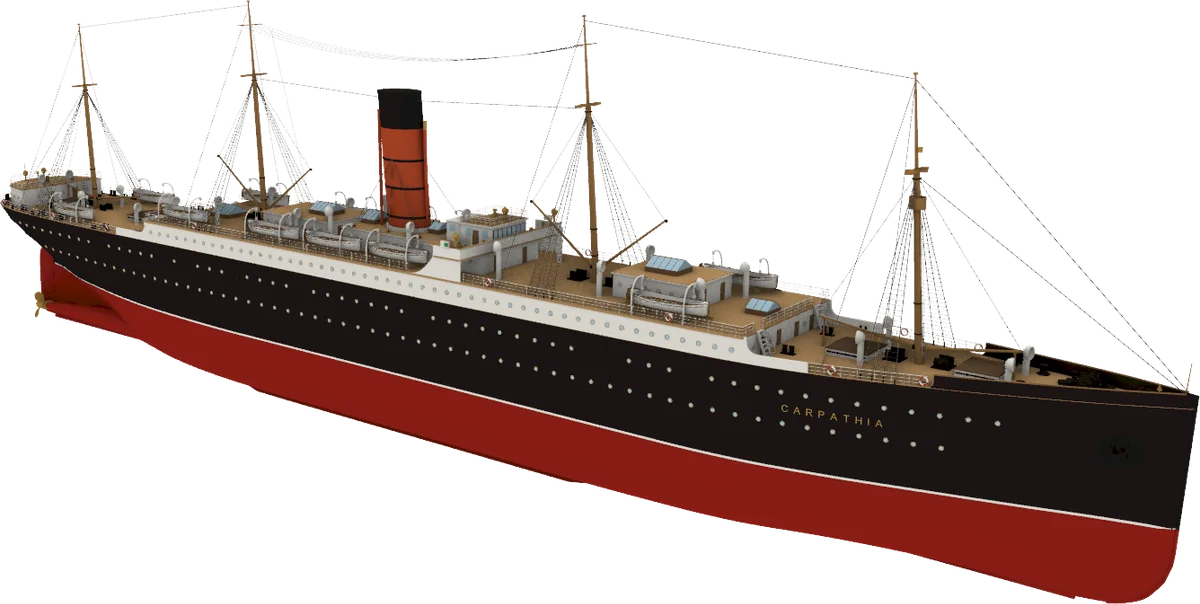
Read the story →When Titanic's call for help reached a small Cunard liner 58 miles away, her captain turned her around and drove her through an icefield in the dark.
Read the story →