The Race in the Dark
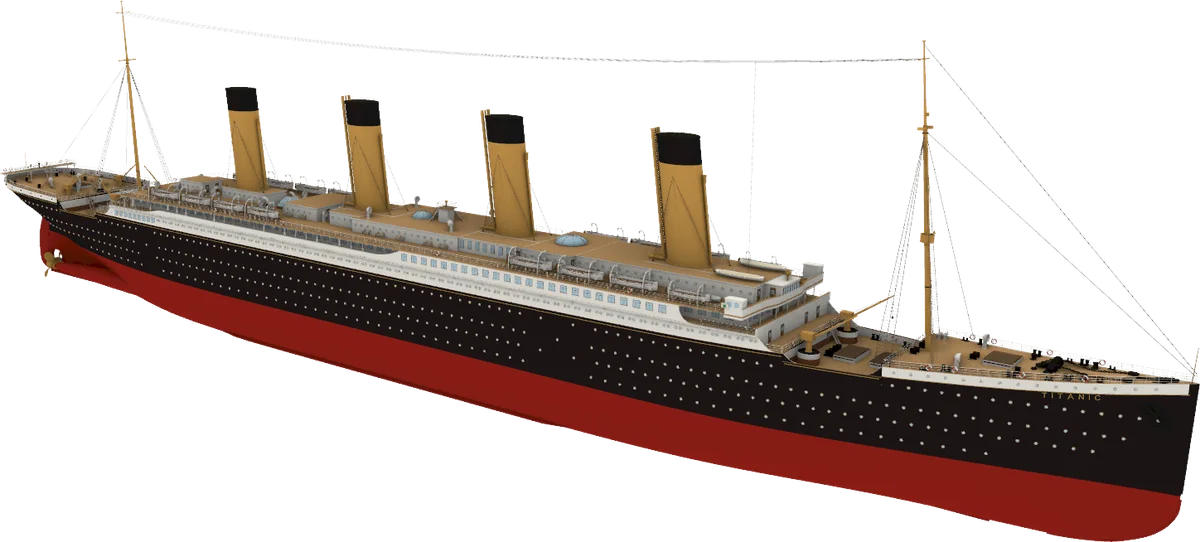
When Titanic's call for help reached a small Cunard liner 58 miles away, her captain turned her around and drove her through an icefield in the dark.
Read the story →One funnel, one wireless operator still awake, one captain who did not hesitate. Through ice and darkness she ran faster than she was ever built to run.
From the Drawing BoardNaval Architect's Perspective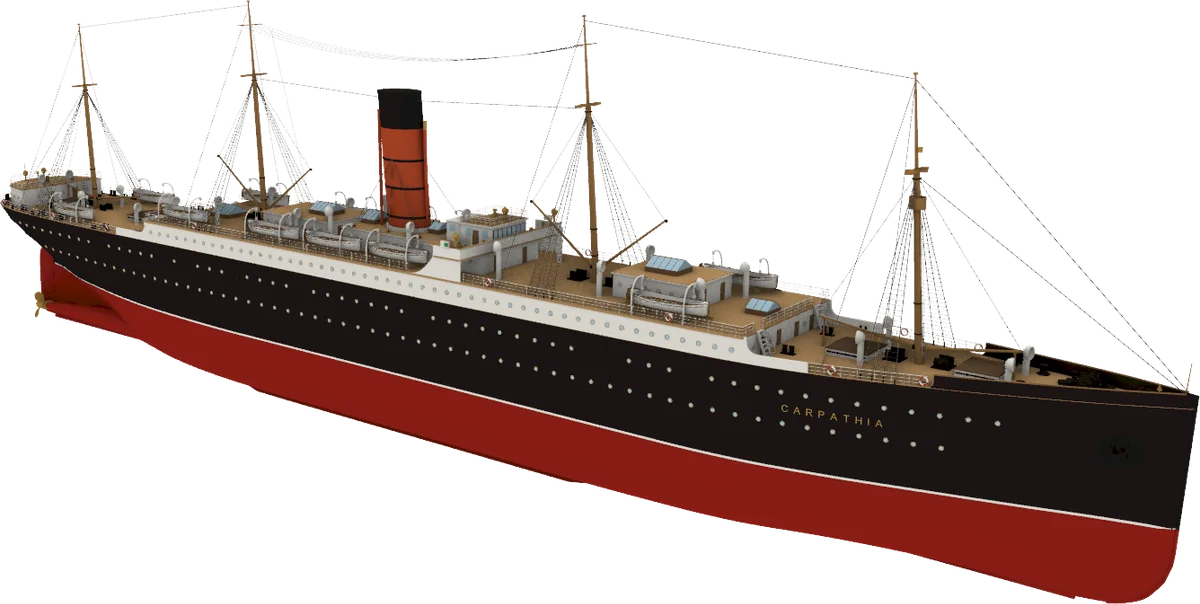
A modest liner with a single funnel, she became famous in one night: the ship that came for Titanic's survivors.
Carpathia was never meant to be famous. Cunard built her to carry emigrants and holidaymakers between Europe and America, and later on the route to the Mediterranean. She was comfortable, reliable and slow.
On 15 April 1912 her wireless operator caught Titanic’s distress call. Her captain, Arthur Rostron, turned her around at once and drove her through an icefield in the dark. She reached the lifeboats at dawn and took 705 survivors aboard.
She went quietly back to service. In the First World War she carried troops and supplies across the Atlantic, until a German submarine torpedoed her off the coast of Ireland in July 1918. Her wreck was found in 2000, upright on the seabed.
When Titanic's call for help reached a small Cunard liner 58 miles away, her captain turned her around and drove her through an icefield in the dark.
Read the story →The liner whose survivors she rescued