The Race in the Dark
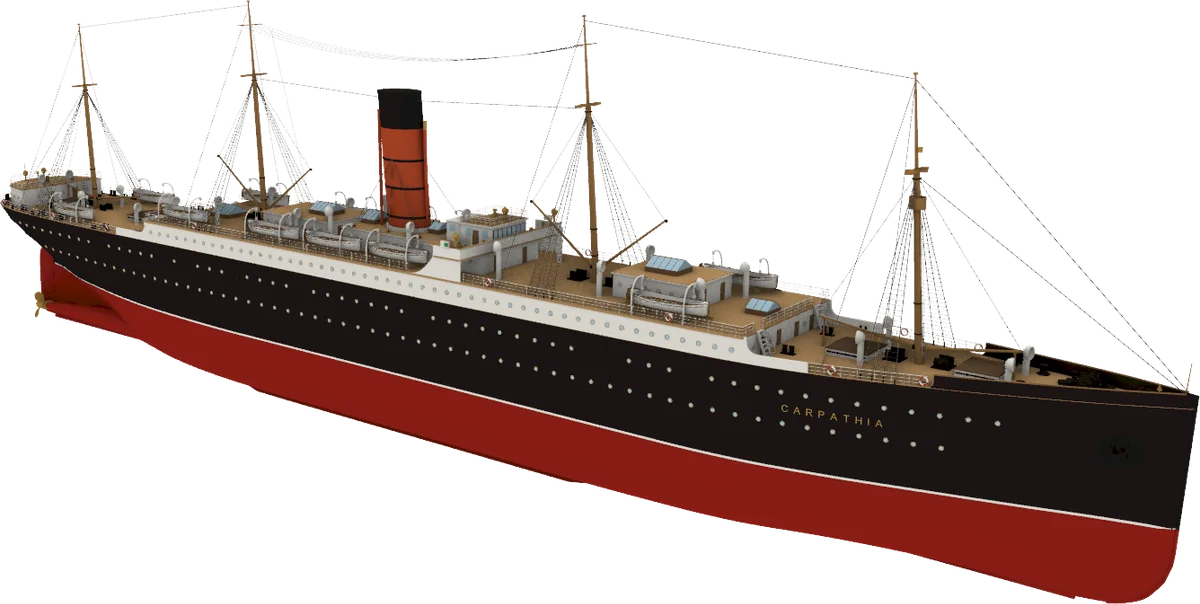
When Titanic's call for help reached a small Cunard liner 58 miles away, her captain turned her around and drove her through an icefield in the dark.
Read the story →The largest ship afloat, a palace on the sea and sure of herself. On a flat, moonless night, one iceberg answered all her certainties.
From the Drawing BoardNaval Architect's Perspective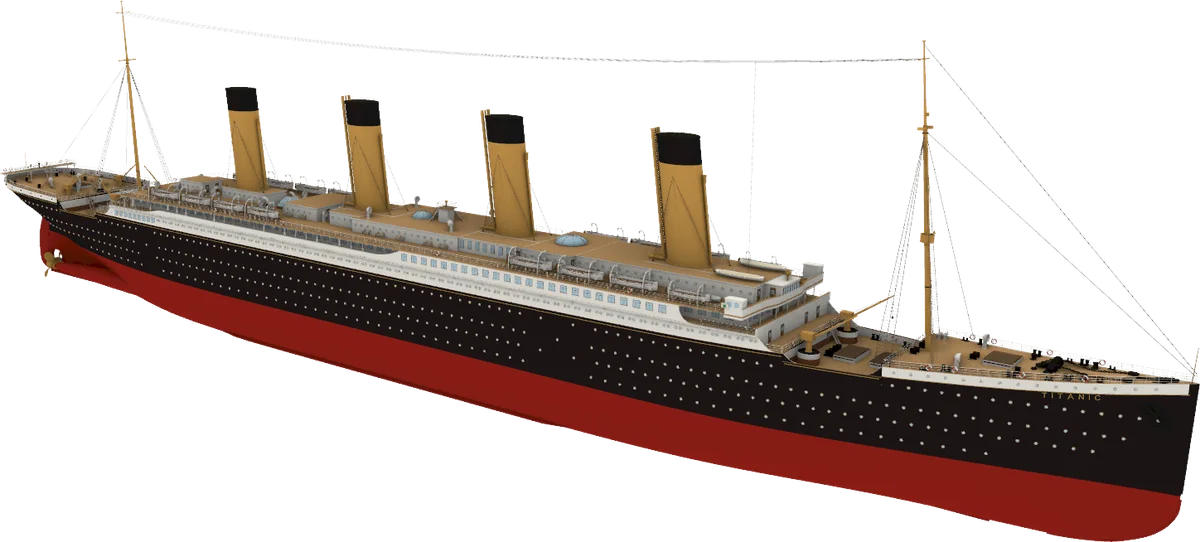
She was the largest ship afloat. Five days into her maiden voyage, she lay on the floor of the North Atlantic.
The White Star Line could not beat its rival Cunard on speed, so it chose to win on size and comfort. Three enormous sister ships were ordered from Harland & Wolff in Belfast. The second of them, Titanic, was launched on 31 May 1911 and fitted out with a grand staircase, a swimming pool and Turkish baths.
On 10 April 1912 she left Southampton, called at Cherbourg and Queenstown, and turned west for New York with roughly 2,200 people aboard. The weather was calm and the sea unusually flat, which made icebergs harder to see.
At 23:40 on 14 April the lookouts spotted an iceberg dead ahead. The ship turned, but the ice opened her starboard bow along more watertight compartments than she was designed to survive. She carried lifeboats for only about half of those aboard. At around 02:20 on 15 April she broke apart and sank, and more than 1,500 people died.
The disaster led to the first international convention on safety at sea in 1914: lifeboats for everyone aboard, a radio watch around the clock and an ice patrol in the North Atlantic. Her wreck was found in 1985, nearly 3,800 metres down.
When Titanic's call for help reached a small Cunard liner 58 miles away, her captain turned her around and drove her through an icefield in the dark.
Read the story →Built to be the safest of the three Olympic-class sisters, Britannic sank in less than an hour. Among the survivors was a nurse who had already survived Titanic.
Read the story →The liner that raced through the ice to rescue her survivors
Her great rival on the Atlantic, from the Cunard line