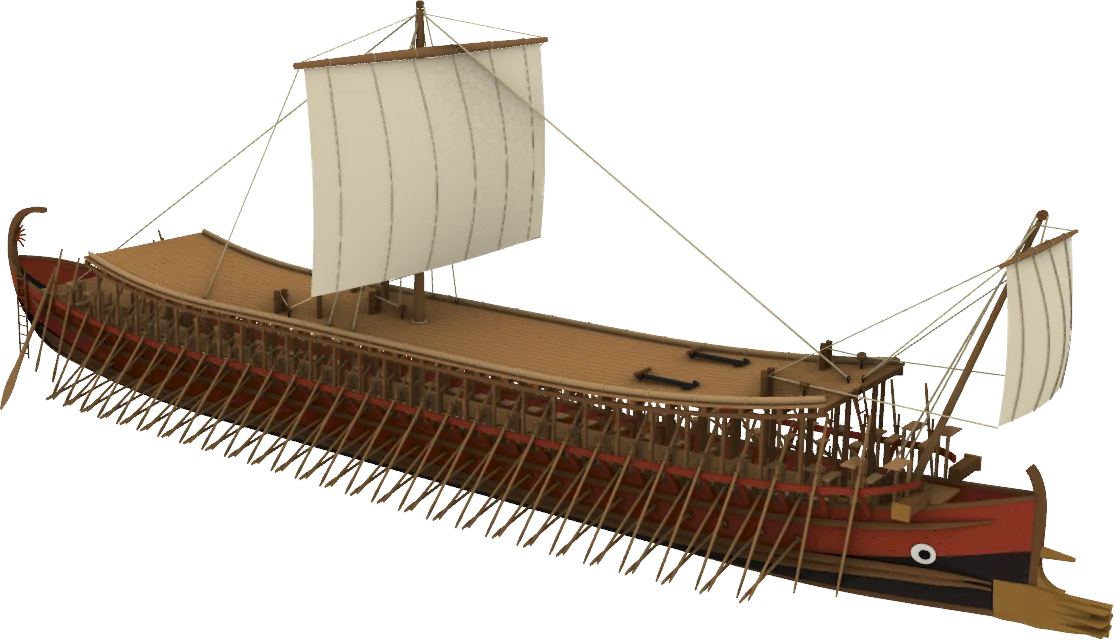
Salamis: The Wooden Wall
Athens was burning. Its people had fled to an island and its hopes rested on a few hundred wooden ships. Their admiral had a plan to lure the mighty Persian fleet into a trap.
Read the story →In the last year of the war, the two ships that had fled to the Dardanelles together in 1914 sailed out together one more time. Only one came back.
At dawn on 20 January 1918, Yavuz and Midilli slipped out of the Dardanelles to strike the British ships guarding its mouth.
Off the island of Imbros they found two British monitors at anchor and sank them both. The raid had done what it set out to do.
As they turned south towards the British base at Mudros, they ran into a minefield. Midilli struck mine after mine, five in all, and sank. Most of her crew were lost.
Yavuz struck mines too and turned for home. At the mouth of the strait she ran aground off Nağara, where British aircraft bombed her for days. She survived, was towed free, and lived for another fifty years.
Athens was burning. Its people had fled to an island and its hopes rested on a few hundred wooden ships. Their admiral had a plan to lure the mighty Persian fleet into a trap.
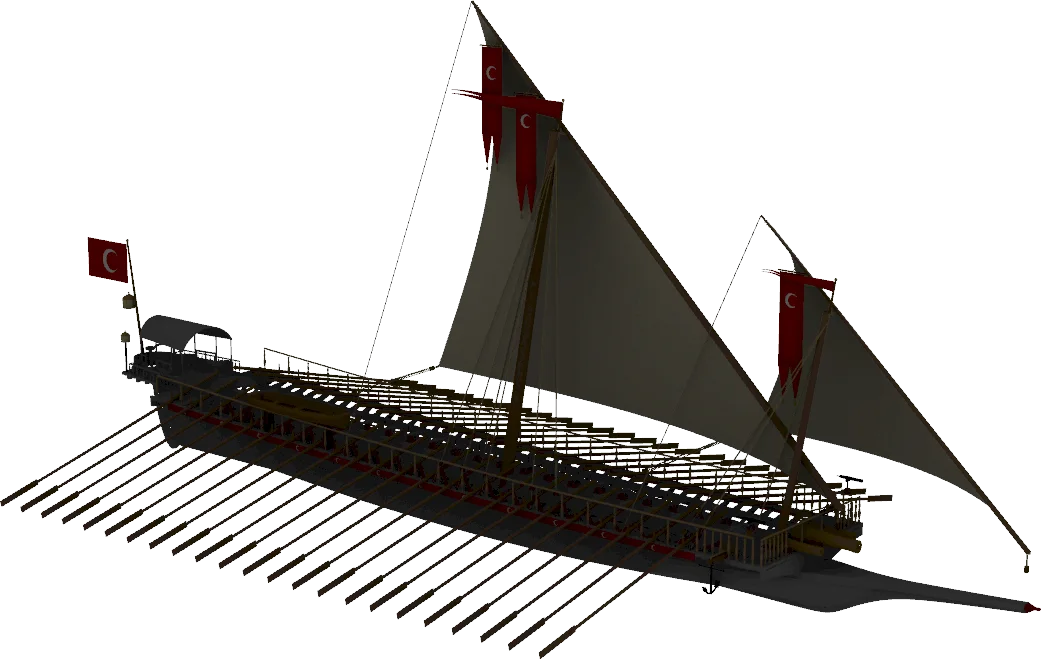
Read the story →A great Christian alliance gathered the largest fleet it could find to drive the Ottomans from the sea. Barbaros Hayreddin was waiting for them.
Read the story →More than four hundred galleys met at the mouth of the Gulf of Patras. It was the largest naval battle of its age, and the last great battle fought with oars.
Read the story →