Salamis: The Wooden Wall
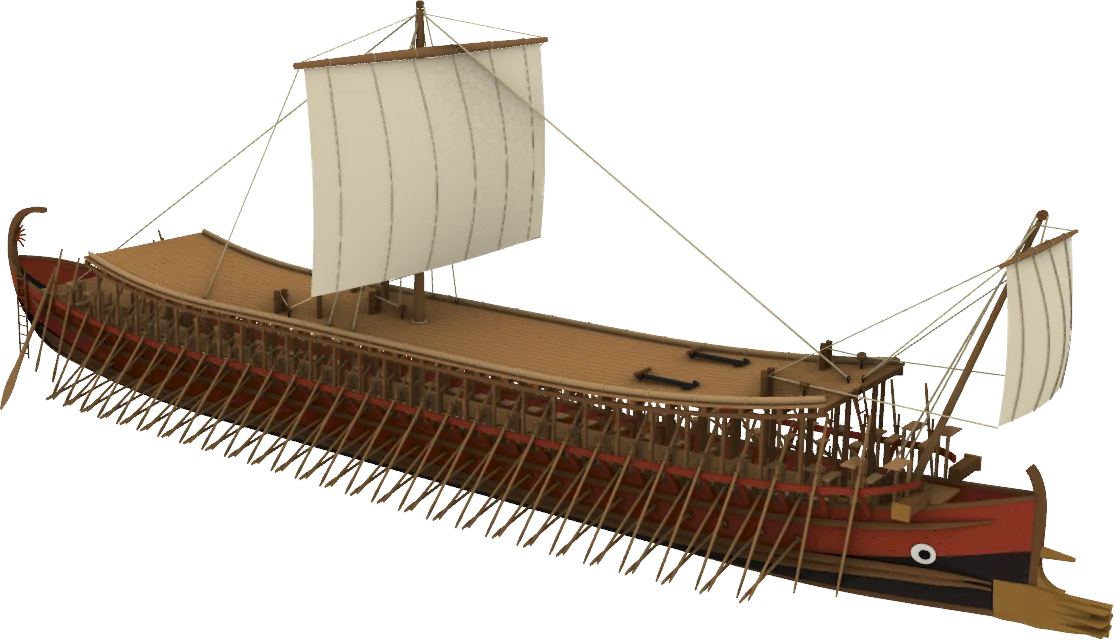
Athens was burning. Its people had fled to an island and its hopes rested on a few hundred wooden ships. Their admiral had a plan to lure the mighty Persian fleet into a trap.
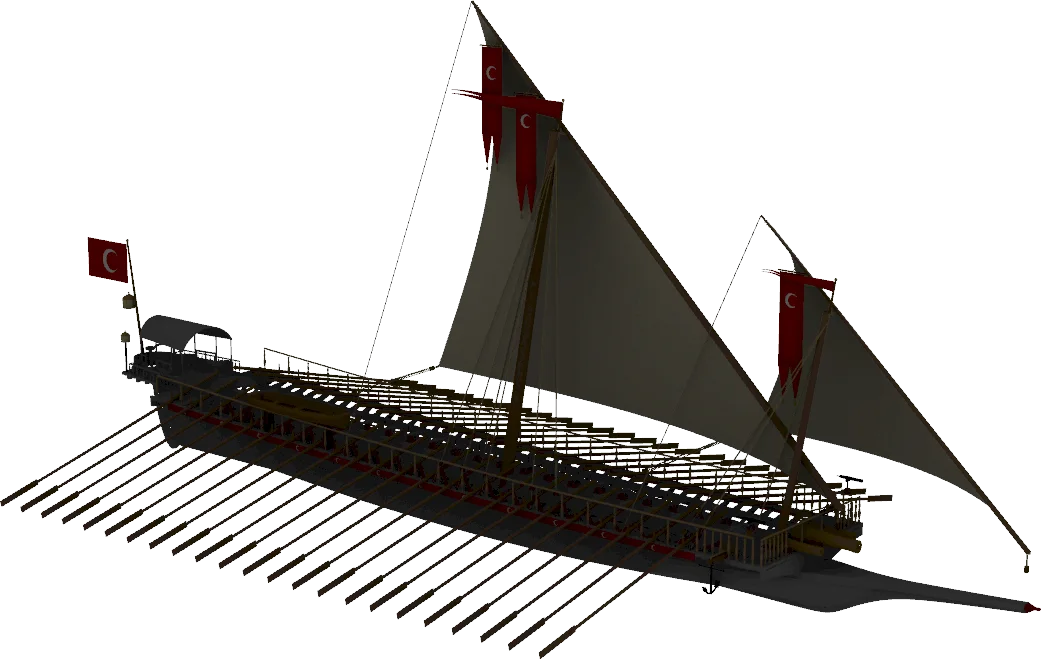
Read the story →A great Christian alliance gathered the largest fleet it could find to drive the Ottomans from the sea. Barbaros Hayreddin was waiting for them.
In 1538 the Pope, Venice, Spain and their allies joined forces in a Holy League against the Ottoman Empire. Their combined fleet, under the famous Genoese admiral Andrea Doria, was far larger than anything the Ottomans could send to sea.
Barbaros Hayreddin Pasha, the Ottoman Kapudan Pasha, took his galleys into the Gulf of Preveza on the western coast of Greece. The narrow entrance was guarded by a fortress, and the allies could not follow him in without danger. For days the two fleets watched each other.
On 28 September the allied fleet began to pull away along the coast, and Barbaros came out after it. His galleys, faster in the light winds, fell on the scattered allied ships. By nightfall the allies had lost a number of ships and Andrea Doria withdrew, without risking his fleet in a full battle.
Preveza left the Ottoman navy the leading power in the Mediterranean for more than thirty years. The Turkish Navy still celebrates its anniversary every September in memory of the battle.
Athens was burning. Its people had fled to an island and its hopes rested on a few hundred wooden ships. Their admiral had a plan to lure the mighty Persian fleet into a trap.
Read the story →More than four hundred galleys met at the mouth of the Gulf of Patras. It was the largest naval battle of its age, and the last great battle fought with oars.
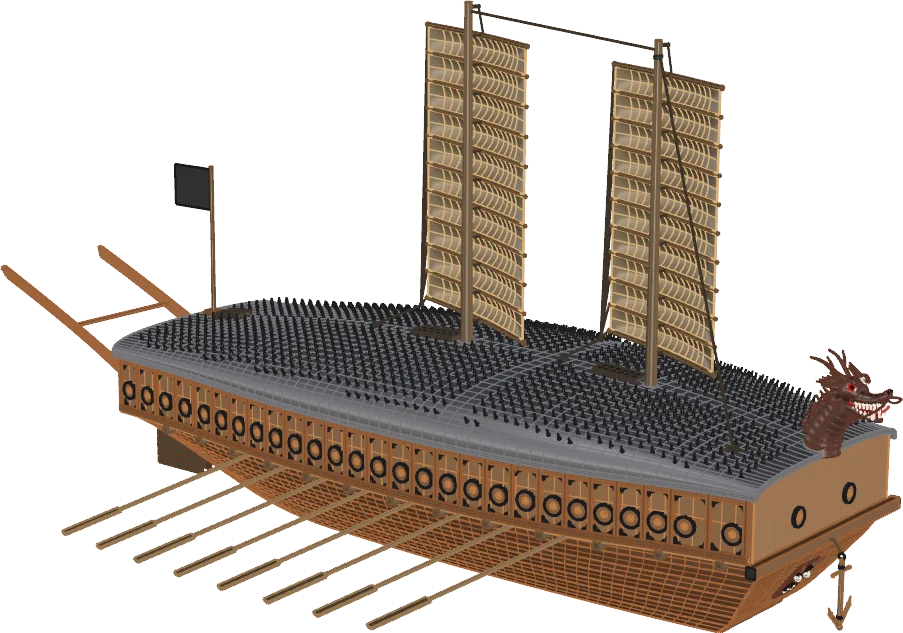
Read the story →Admiral Yi Sun-sin lured a Japanese fleet out of a narrow strait, spread his ships in the shape of a crane's wings, and closed them around his enemy.
Read the story →