Salamis: The Wooden Wall
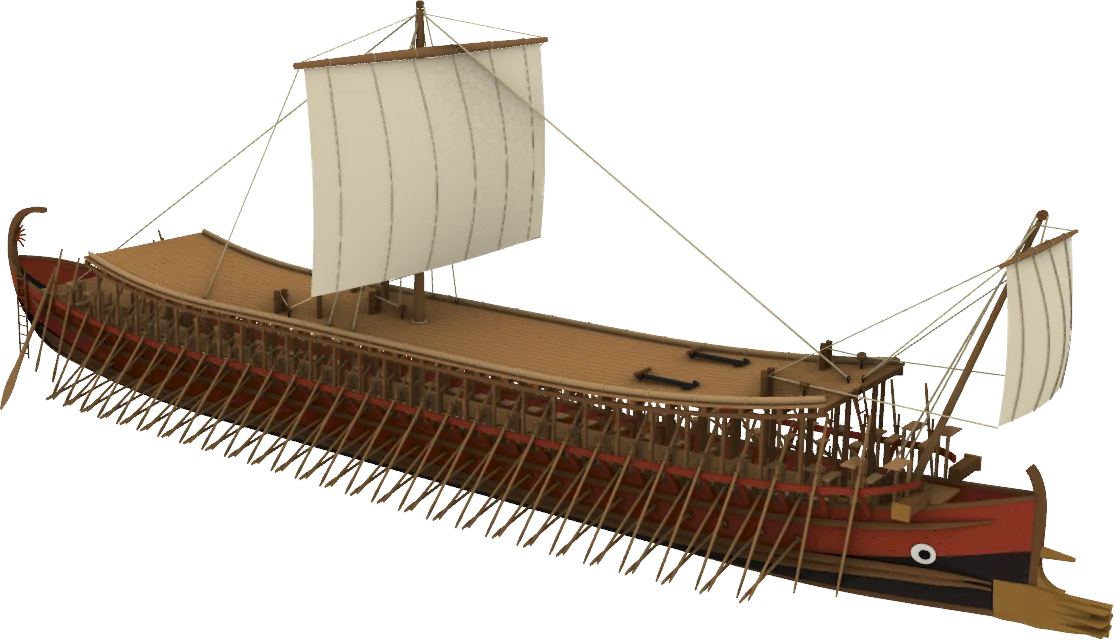
Athens was burning. Its people had fled to an island and its hopes rested on a few hundred wooden ships. Their admiral had a plan to lure the mighty Persian fleet into a trap.
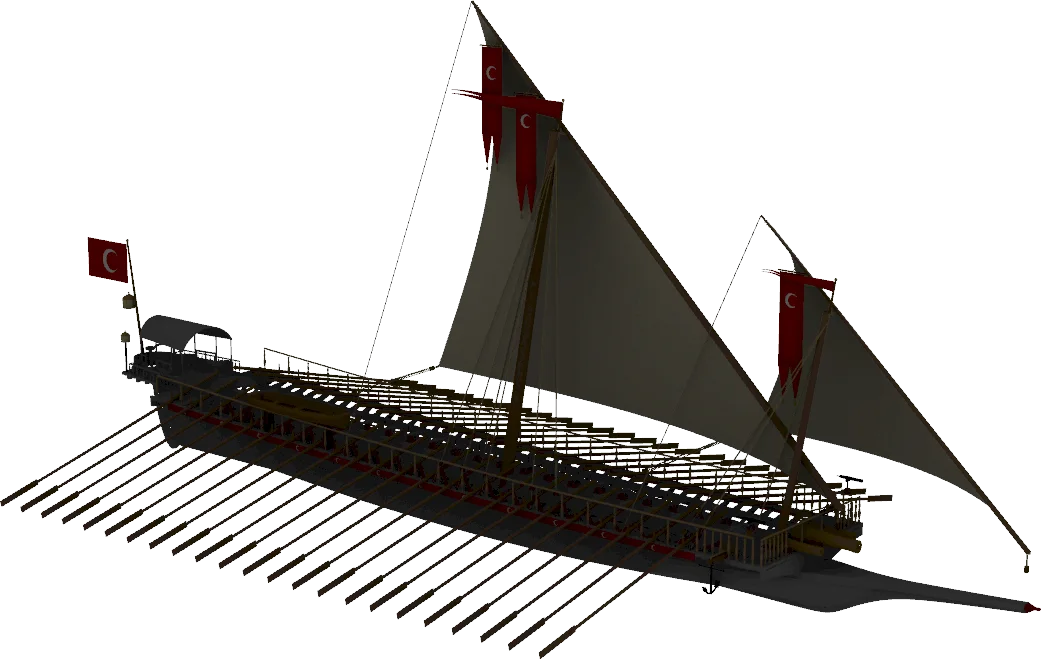
Read the story →More than four hundred galleys met at the mouth of the Gulf of Patras. It was the largest naval battle of its age, and the last great battle fought with oars.
After the Ottomans took Cyprus from Venice, Spain, Venice, the Pope and their allies formed a Holy League. Their fleet under Don Juan of Austria met the Ottoman fleet of Müezzinzade Ali Pasha near Lepanto, on 7 October 1571.
The Venetians brought a new weapon: six galleasses, huge galleys armed with heavy guns on every side. Placed in front of the line, they broke up the Ottoman charge before the fleets even met.
The galleys crashed together and the battle became a fight on floating platforms. Ali Pasha was killed on his flagship. On the Ottoman left, Uluç Ali Pasha fought his way out and brought his ships home to Istanbul.
The Ottomans lost most of their fleet, but within a year they had built a new one. The Grand Vizier told a Venetian envoy that by taking Cyprus the Ottomans had cut off an arm, while the Venetians had only shaved their beard, and a beard grows back. Cyprus stayed Ottoman. Among the wounded on the Christian side was a young soldier named Miguel de Cervantes, who later wrote Don Quixote.
Athens was burning. Its people had fled to an island and its hopes rested on a few hundred wooden ships. Their admiral had a plan to lure the mighty Persian fleet into a trap.
Read the story →A great Christian alliance gathered the largest fleet it could find to drive the Ottomans from the sea. Barbaros Hayreddin was waiting for them.
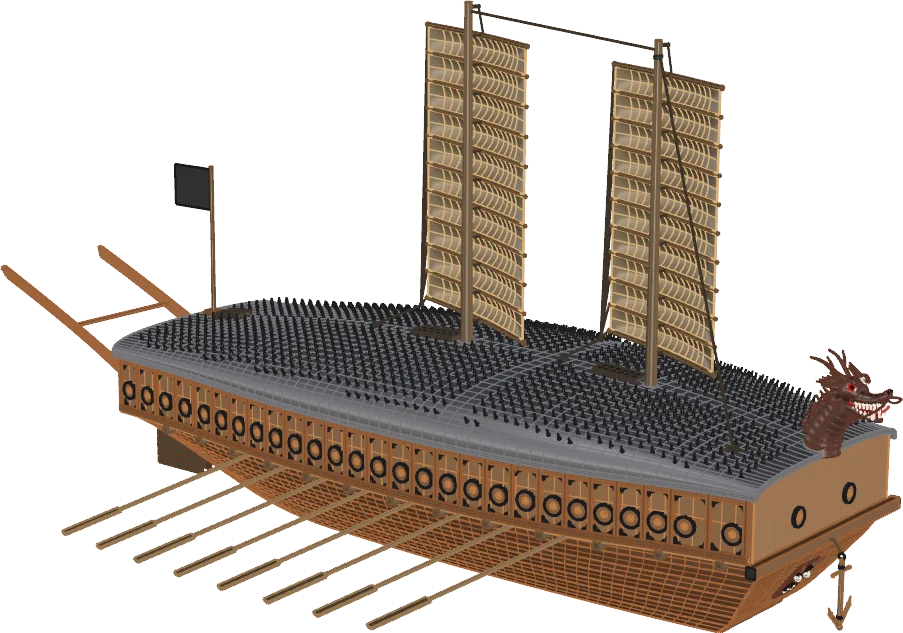
Read the story →Admiral Yi Sun-sin lured a Japanese fleet out of a narrow strait, spread his ships in the shape of a crane's wings, and closed them around his enemy.
Read the story →