The Battle of Preveza
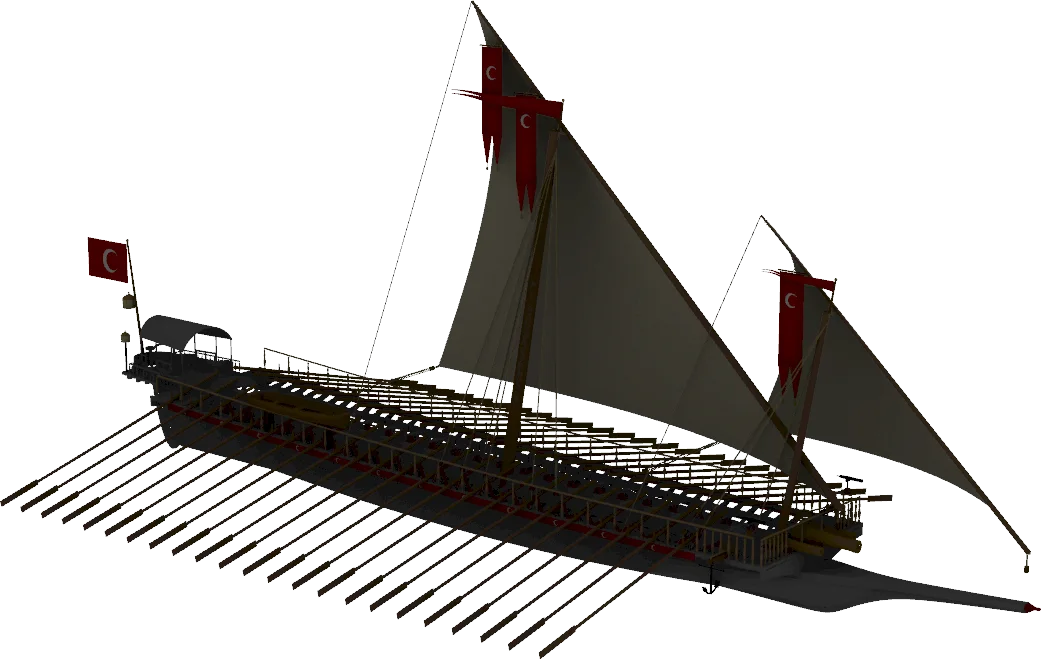
A great Christian alliance gathered the largest fleet it could find to drive the Ottomans from the sea. Barbaros Hayreddin was waiting for them.
Read the story →Athens was burning. Its people had fled to an island and its hopes rested on a few hundred wooden ships. Their admiral had a plan to lure the mighty Persian fleet into a trap.
As the vast army of the Persian king Xerxes marched into Greece, the Athenians asked the oracle at Delphi what to do. The answer was mysterious: trust in a wooden wall. Themistocles convinced them it meant their ships.
The Athenians left their city to the Persians, who burned the temples on the Acropolis. The Greek fleet gathered in the narrow strait between the island of Salamis and the mainland.
Themistocles sent a secret message to Xerxes, pretending the Greeks were about to flee. The Persians rowed into the narrow strait at night to cut them off. At dawn, the Greek triremes were waiting.
In the cramped water the larger Persian fleet could not manoeuvre. The Greek triremes rammed them again and again. Xerxes watched from a throne on the shore as his fleet was broken. Within weeks he had left Greece, and the wooden wall had saved it.
A great Christian alliance gathered the largest fleet it could find to drive the Ottomans from the sea. Barbaros Hayreddin was waiting for them.
Read the story →More than four hundred galleys met at the mouth of the Gulf of Patras. It was the largest naval battle of its age, and the last great battle fought with oars.
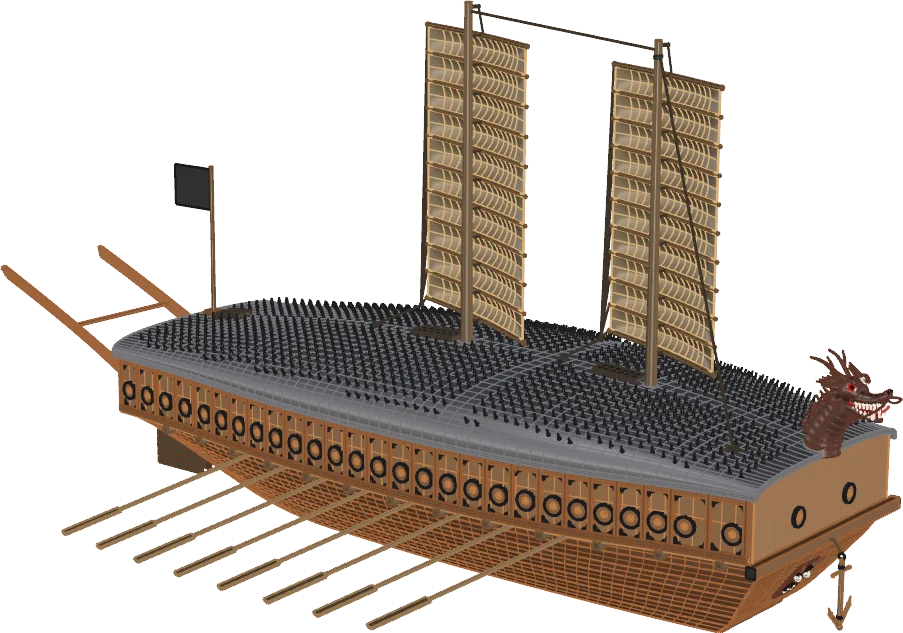
Read the story →Admiral Yi Sun-sin lured a Japanese fleet out of a narrow strait, spread his ships in the shape of a crane's wings, and closed them around his enemy.
Read the story →