Salamis: The Wooden Wall
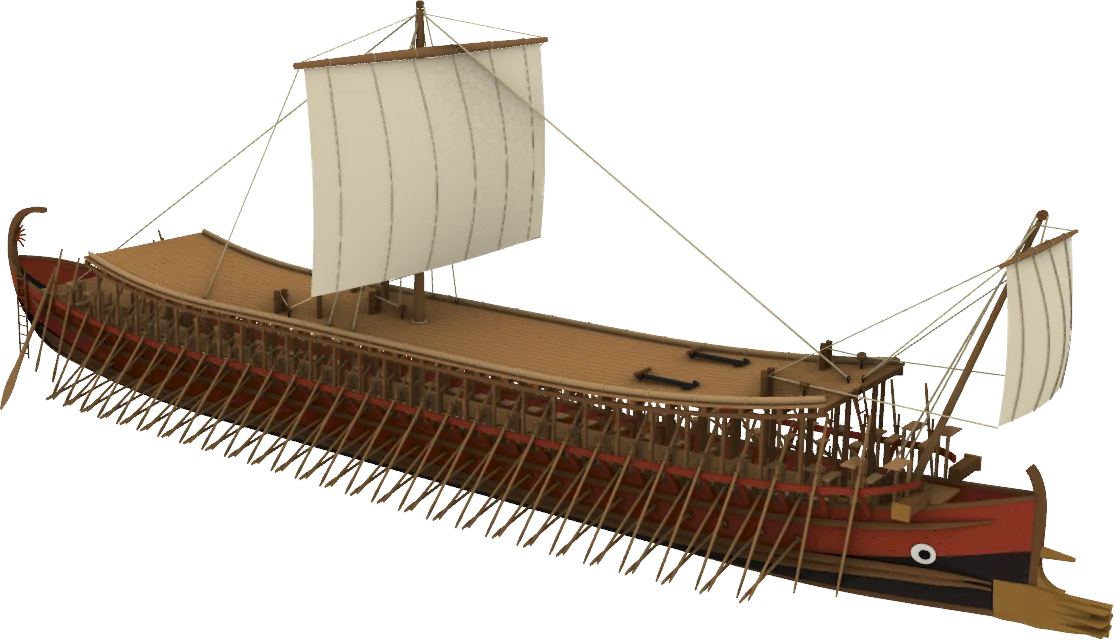
Athens was burning. Its people had fled to an island and its hopes rested on a few hundred wooden ships. Their admiral had a plan to lure the mighty Persian fleet into a trap.
Read the story →For the first time in history, two fleets fought a great battle without ever coming within sight of each other. The guns were silent; the aircraft did all the fighting.
In May 1942 a Japanese force sailed to capture Port Moresby in New Guinea. American carriers, among them Lexington and Yorktown, moved to stop it.
Both sides sent out scout planes to find the enemy carriers, often with confusing results. Aircraft attacked the wrong ships, and pilots got lost over the open sea.
On 8 May the two carrier forces finally found each other. Japanese aircraft hit Lexington with torpedoes and bombs. Hours later, fuel vapour exploded deep inside her, and she had to be abandoned and sunk by an American destroyer.
Japan sank more ships, but the invasion of Port Moresby was called off. For the first time, a Japanese advance had been stopped, and a month later came Midway.
Athens was burning. Its people had fled to an island and its hopes rested on a few hundred wooden ships. Their admiral had a plan to lure the mighty Persian fleet into a trap.
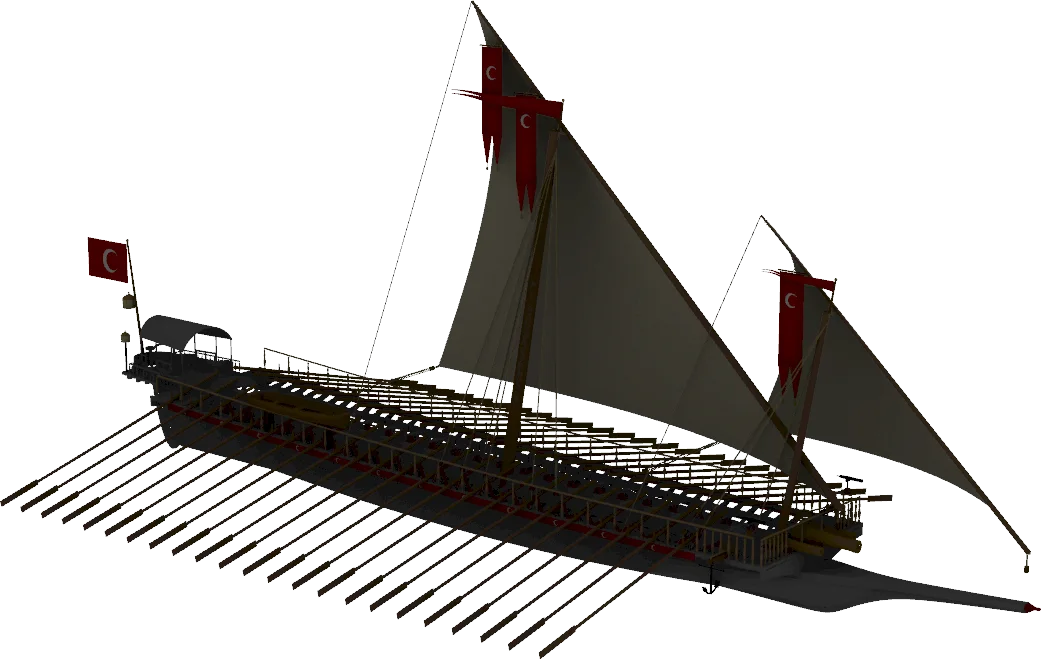
Read the story →A great Christian alliance gathered the largest fleet it could find to drive the Ottomans from the sea. Barbaros Hayreddin was waiting for them.
Read the story →More than four hundred galleys met at the mouth of the Gulf of Patras. It was the largest naval battle of its age, and the last great battle fought with oars.
Read the story →