Salamis: The Wooden Wall
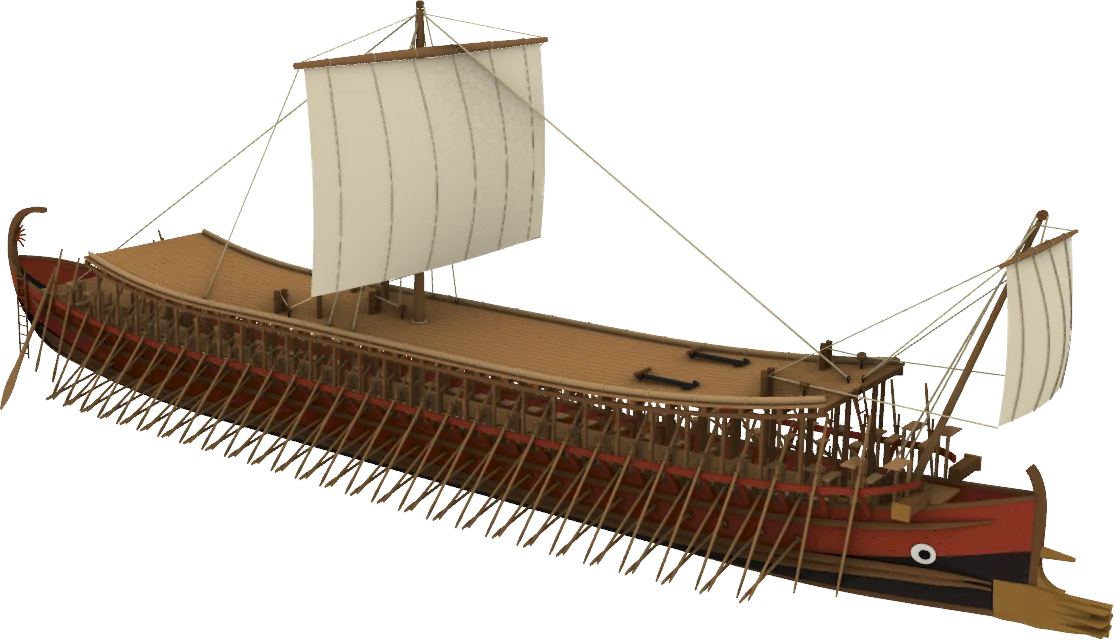
Athens was burning. Its people had fled to an island and its hopes rested on a few hundred wooden ships. Their admiral had a plan to lure the mighty Persian fleet into a trap.
Read the story →On the first day, an iron ship destroyed two wooden warships. On the second, another iron ship arrived, and every navy in the world became obsolete.
During the American Civil War, the Confederates rebuilt a burned frigate as the ironclad CSS Virginia. On 8 March 1862 she steamed into Hampton Roads and attacked the Union fleet. Cannonballs bounced off her armour. She rammed and sank USS Cumberland, then set USS Congress on fire.
That night a stranger reached the harbour: USS Monitor, low and flat, with a single round turret. She had been finished only weeks before and had nearly sunk on the way there.
On the morning of 9 March the two ironclads fought for about four hours, often only metres apart. Neither could seriously hurt the other. At last both pulled away.
The battle was a draw, but its lesson was clear. Within days navies around the world stopped building wooden warships. The age of iron had begun.
Athens was burning. Its people had fled to an island and its hopes rested on a few hundred wooden ships. Their admiral had a plan to lure the mighty Persian fleet into a trap.
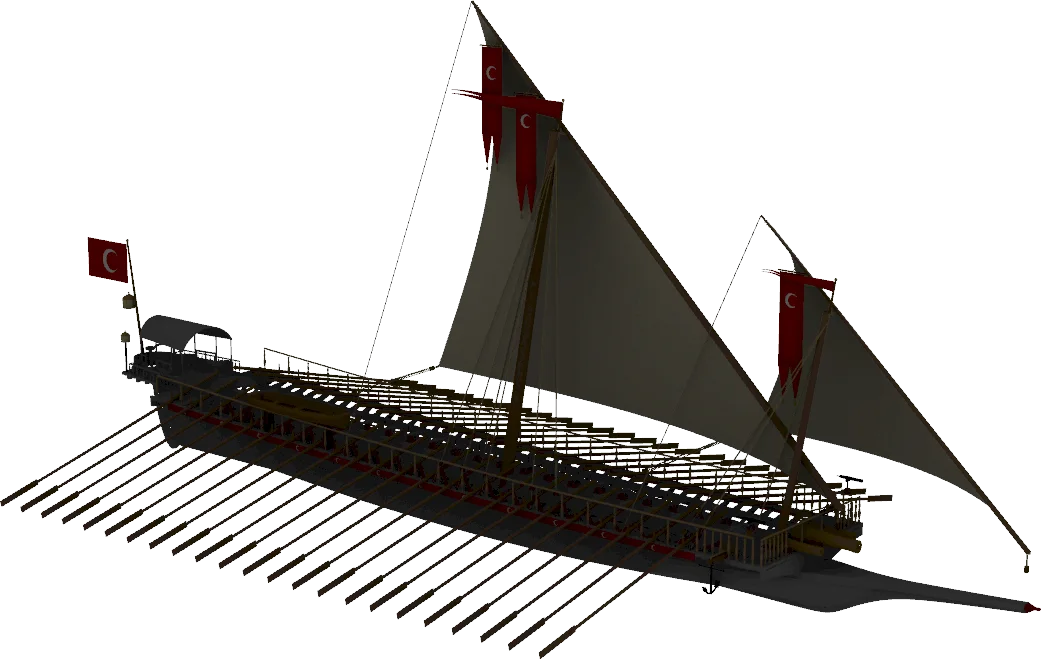
Read the story →A great Christian alliance gathered the largest fleet it could find to drive the Ottomans from the sea. Barbaros Hayreddin was waiting for them.
Read the story →More than four hundred galleys met at the mouth of the Gulf of Patras. It was the largest naval battle of its age, and the last great battle fought with oars.
Read the story →