Salamis: The Wooden Wall
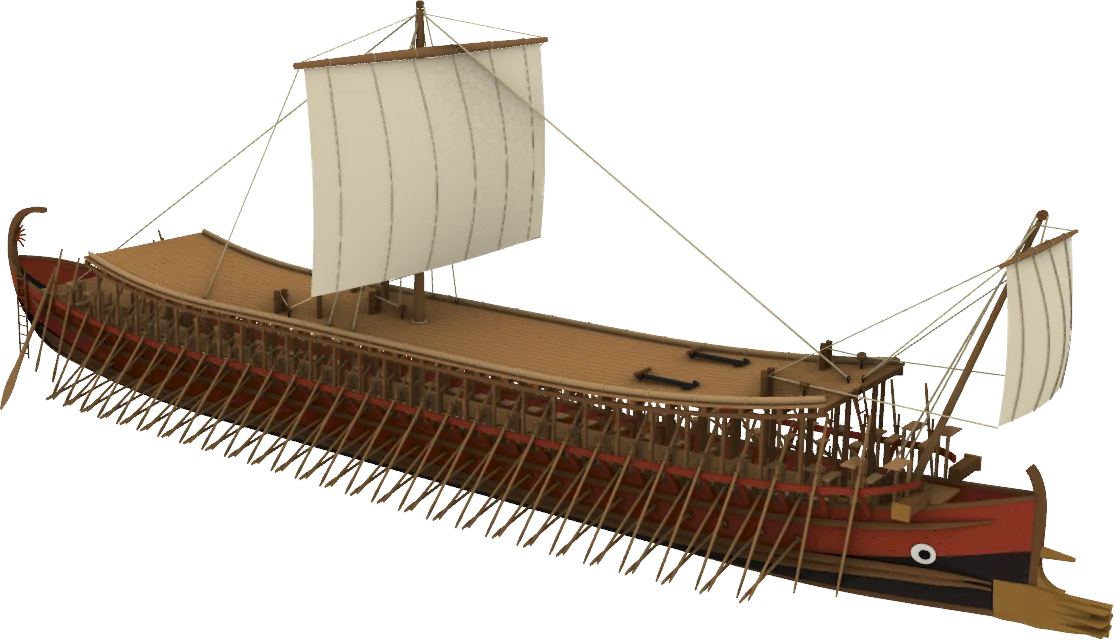
Athens was burning. Its people had fled to an island and its hopes rested on a few hundred wooden ships. Their admiral had a plan to lure the mighty Persian fleet into a trap.
Read the story →Just before eight on a quiet Sunday morning, the first Japanese aircraft appeared over the American fleet at anchor. Two hours later, the United States was at war.
The battleships of the US Pacific Fleet lay moored in pairs along Ford Island, in what sailors called Battleship Row. It was Sunday morning, and many crew were ashore or just waking up.
At 7:55 the first wave of more than 180 Japanese aircraft attacked. Torpedo bombers struck the battleships while dive bombers hit the airfields. A second wave followed an hour later.
A heavy bomb pierced Arizona’s deck and set off her forward magazines. The explosion tore the ship apart and killed 1,177 of her crew. Oklahoma capsized, and other battleships sank at their moorings.
More than 2,400 Americans were killed. But the Pacific Fleet’s aircraft carriers, including Enterprise, were at sea that morning, and they survived. Six months later they would turn the tide at Midway.
Athens was burning. Its people had fled to an island and its hopes rested on a few hundred wooden ships. Their admiral had a plan to lure the mighty Persian fleet into a trap.
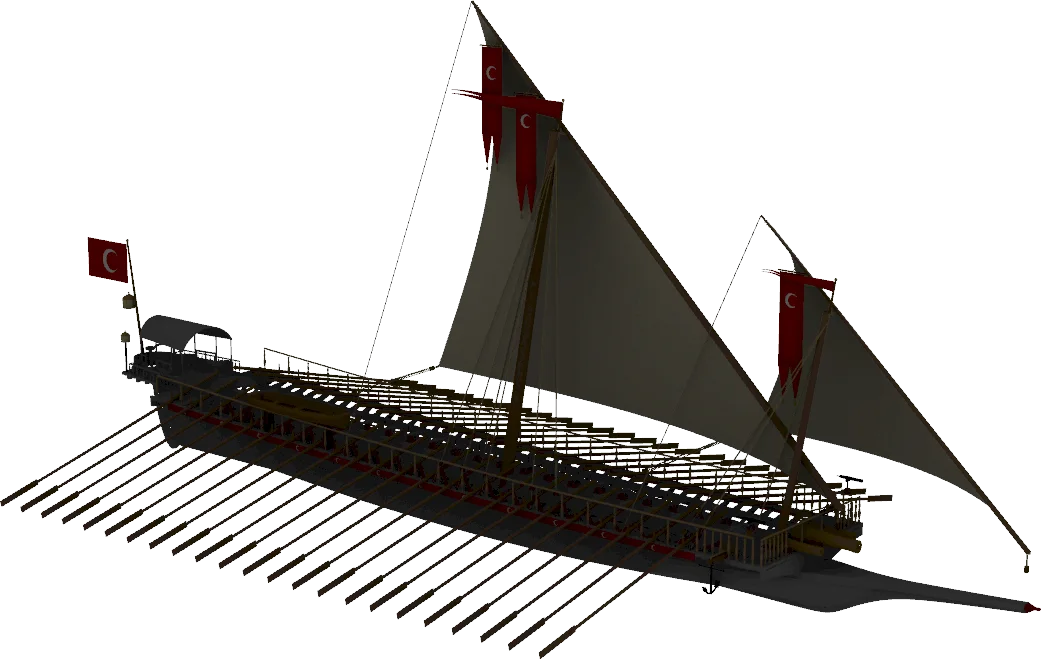
Read the story →A great Christian alliance gathered the largest fleet it could find to drive the Ottomans from the sea. Barbaros Hayreddin was waiting for them.
Read the story →More than four hundred galleys met at the mouth of the Gulf of Patras. It was the largest naval battle of its age, and the last great battle fought with oars.
Read the story →