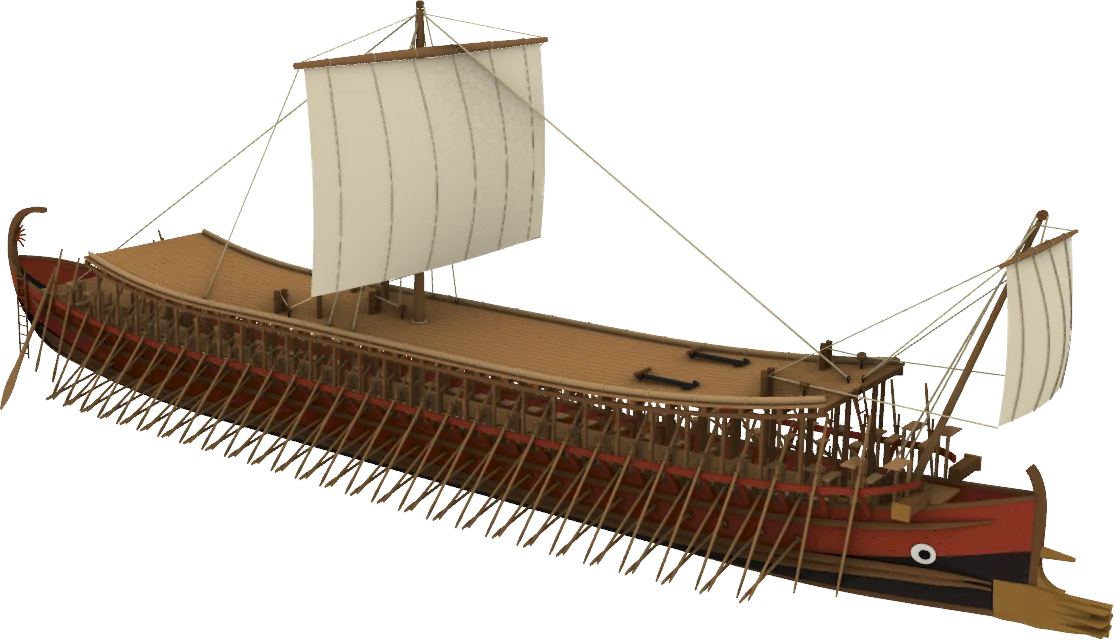
Salamis: The Wooden Wall
Athens was burning. Its people had fled to an island and its hopes rested on a few hundred wooden ships. Their admiral had a plan to lure the mighty Persian fleet into a trap.
Read the story →Three British cruisers caught the German raider off South America. Battered, she took refuge in a neutral port, and the world waited to see what her captain would do.
Since the war began, Admiral Graf Spee had been sinking merchant ships across the South Atlantic. The Royal Navy sent squadrons to hunt her. Commodore Henry Harwood guessed she would head for the busy shipping lanes off the River Plate, and he was right.
At dawn on 13 December his cruisers Exeter, Ajax and Achilles attacked. Graf Spee’s heavy guns badly damaged Exeter, but the cruisers kept coming. Damaged herself, Graf Spee turned and ran for the neutral port of Montevideo.
Uruguay gave her only a few days to stay. British agents spread rumours that a great fleet was waiting outside. In fact, only the cruisers were there.
On 17 December Graf Spee sailed out of Montevideo watched by huge crowds. A few miles out, her crew left her, and explosions tore her apart. Her captain had chosen to scuttle her rather than lead his men to their deaths. Three days later he took his own life.
Athens was burning. Its people had fled to an island and its hopes rested on a few hundred wooden ships. Their admiral had a plan to lure the mighty Persian fleet into a trap.
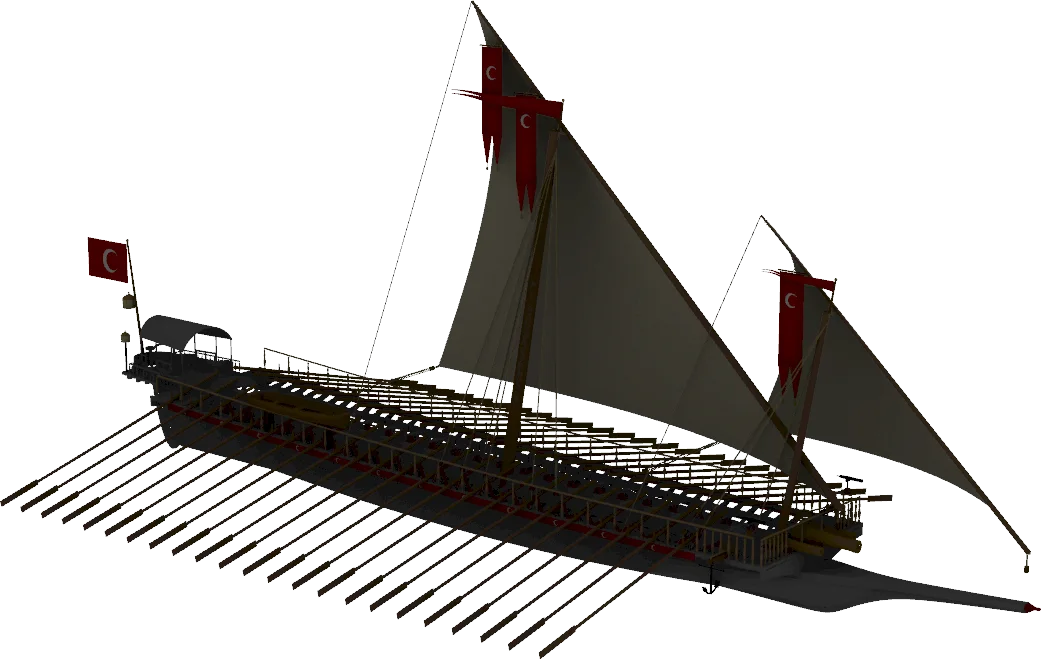
Read the story →A great Christian alliance gathered the largest fleet it could find to drive the Ottomans from the sea. Barbaros Hayreddin was waiting for them.
Read the story →More than four hundred galleys met at the mouth of the Gulf of Patras. It was the largest naval battle of its age, and the last great battle fought with oars.
Read the story →