Salamis: The Wooden Wall
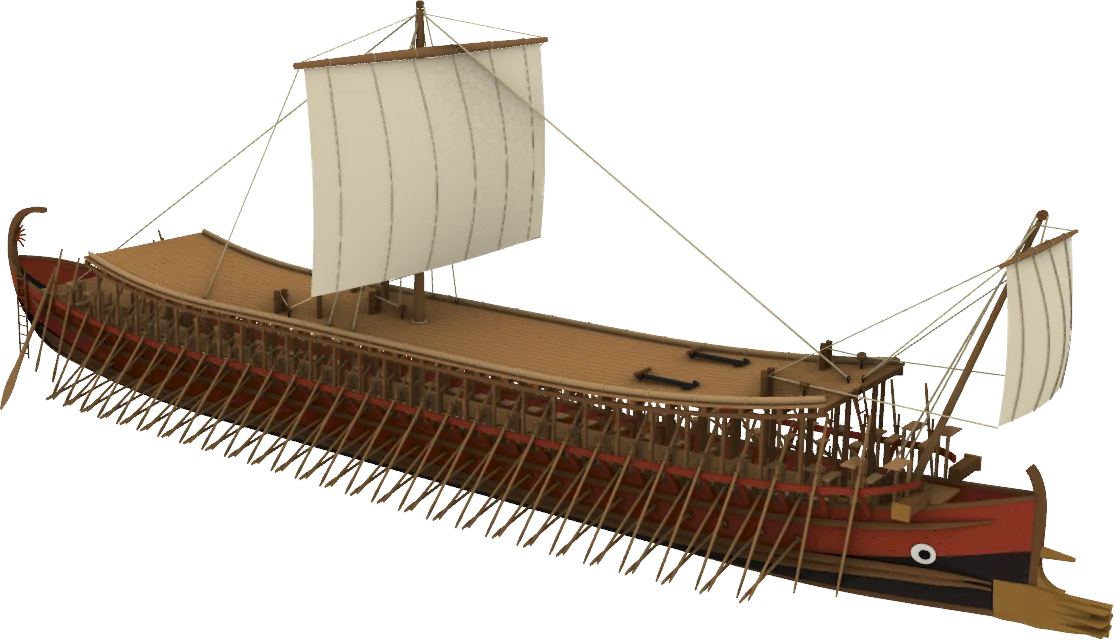
Athens was burning. Its people had fled to an island and its hopes rested on a few hundred wooden ships. Their admiral had a plan to lure the mighty Persian fleet into a trap.
Read the story →Twenty-seven British ships against thirty-three. Nelson broke the rules of naval battle, and changed the sea for a hundred years.
In the autumn of 1805 Napoleon’s plans depended on the combined fleets of France and Spain. Off Cape Trafalgar, near the entrance to the Mediterranean, they met the British fleet under Vice-Admiral Horatio Nelson, flying his flag in HMS Victory.
For a century, fleets had fought in two long parallel lines, firing broadside to broadside. Nelson had a different plan. He split his ships into two columns and sailed them straight at the enemy line, to cut it into pieces and fight ship against ship. It meant sailing into the enemy’s guns for long minutes without being able to fire back.
As the fleets closed, Nelson ordered a signal to be raised from Victory’s masts: “England expects that every man will do his duty.” Then Victory led her column into the smoke.
In the close fighting around Victory, a marksman in the rigging of the French ship Redoutable shot Nelson as he walked the quarterdeck. He was carried below, and lived long enough to hear that the battle was won. He died in the afternoon.
The combined fleet lost twenty-two ships. Britain lost none. For the next hundred years, no navy seriously challenged Britain at sea, and Victory became the most famous ship in the Royal Navy, which she still serves today.
Athens was burning. Its people had fled to an island and its hopes rested on a few hundred wooden ships. Their admiral had a plan to lure the mighty Persian fleet into a trap.
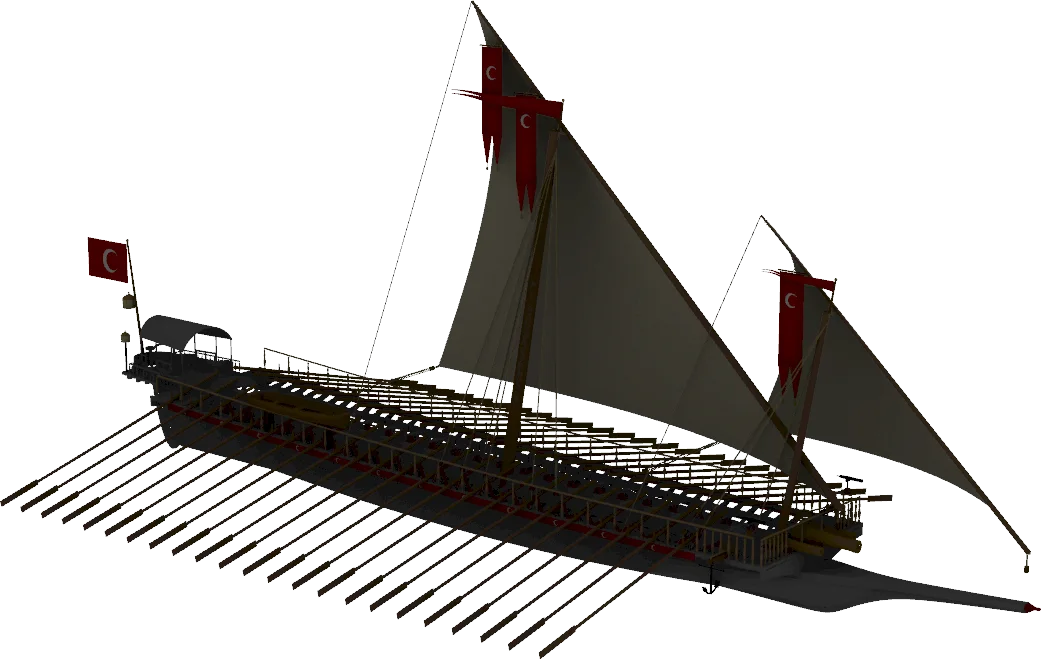
Read the story →A great Christian alliance gathered the largest fleet it could find to drive the Ottomans from the sea. Barbaros Hayreddin was waiting for them.
Read the story →More than four hundred galleys met at the mouth of the Gulf of Patras. It was the largest naval battle of its age, and the last great battle fought with oars.
Read the story →