Salamis: The Wooden Wall
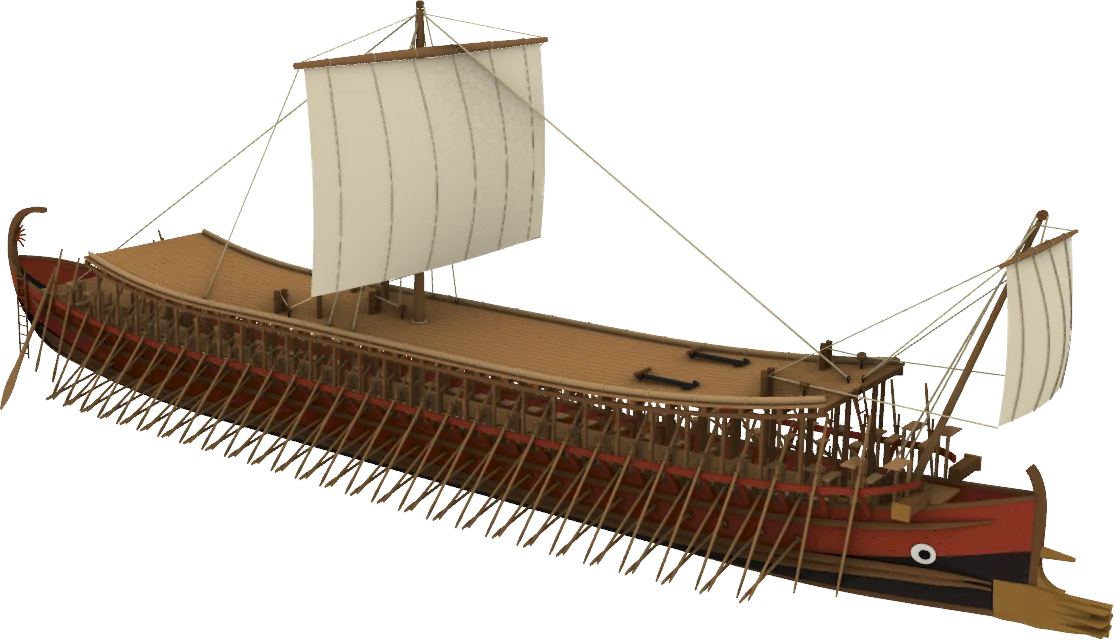
Athens was burning. Its people had fled to an island and its hopes rested on a few hundred wooden ships. Their admiral had a plan to lure the mighty Persian fleet into a trap.
Read the story →The Russian fleet sailed halfway around the world to save a war. In two days it was gone.
In 1904 Russia and Japan went to war over Korea and Manchuria. Russia’s Pacific fleet was trapped and defeated, so the Tsar sent his Baltic Fleet the long way round: from the Baltic, around Africa and across the Indian Ocean. The voyage took seven months.
Admiral Tōgō Heihachirō knew the Russians would try for Vladivostok, and the shortest route led through the Tsushima Strait. He waited there with his fleet, led by the battleship Mikasa.
On 27 May the fleets met. Tōgō raised the Z flag with a signal to his men that the fate of the empire depended on this battle. His ships were faster and his gunners better trained. He placed his fleet across the head of the Russian line and poured fire into it.
By the next day the Russian fleet had been sunk, captured or scattered. Japan lost three small torpedo boats. It was the first time in modern history that an Asian nation had defeated a European great power at sea, and the world took notice.
Athens was burning. Its people had fled to an island and its hopes rested on a few hundred wooden ships. Their admiral had a plan to lure the mighty Persian fleet into a trap.
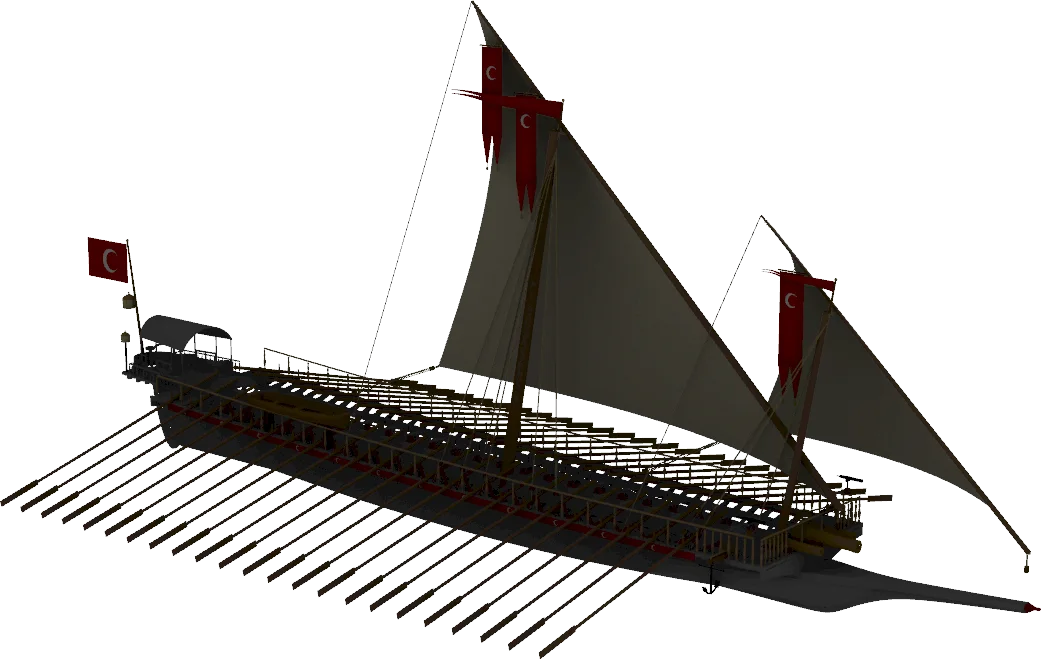
Read the story →A great Christian alliance gathered the largest fleet it could find to drive the Ottomans from the sea. Barbaros Hayreddin was waiting for them.
Read the story →More than four hundred galleys met at the mouth of the Gulf of Patras. It was the largest naval battle of its age, and the last great battle fought with oars.
Read the story →