Salamis: The Wooden Wall
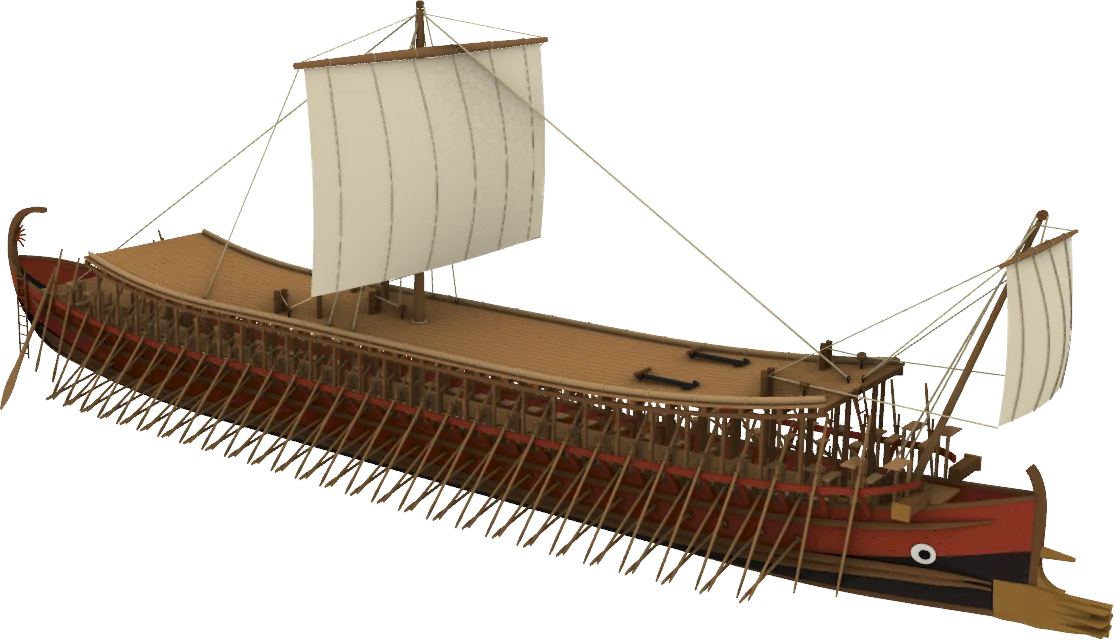
Athens was burning. Its people had fled to an island and its hopes rested on a few hundred wooden ships. Their admiral had a plan to lure the mighty Persian fleet into a trap.
Read the story →One small ship, one dark night, and a line of mines nobody was looking for. Ten days later, the most powerful fleet in the world turned back.
In early 1915 Britain and France set out to force the Dardanelles with warships alone: sail through the strait to Istanbul and knock the Ottoman Empire out of the war. Day after day their battleships pounded the forts along the shore, while minesweepers worked to clear a path.
The defenders noticed something. In Erenköy Bay, the Allied battleships always turned in the same stretch of water after firing. The minesweepers had never searched there, because no one expected mines in it.
Under the command of Captain Hakkı Bey, the little minelayer Nusret crept into the bay in darkness, within reach of the enemy’s guns. Her crew rolled 26 mines over the stern in a single line running along the shore, and she slipped home before dawn. No one saw her come or go.
Ten days later the Allied fleet steamed in for the great attack. In the afternoon the French battleship Bouvet turned in Erenköy Bay, struck a mine and capsized within minutes, taking most of her crew with her. Then HMS Irresistible and HMS Ocean struck mines too, and both were lost. Other ships were badly damaged. By evening the attack was called off, and the fleet never again tried to force the strait by sea.
Every year on 18 March, Türkiye remembers the Çanakkale Naval Victory. A full-size replica of Nusret stands in Çanakkale today, and visitors are always surprised at how small she is.
Athens was burning. Its people had fled to an island and its hopes rested on a few hundred wooden ships. Their admiral had a plan to lure the mighty Persian fleet into a trap.
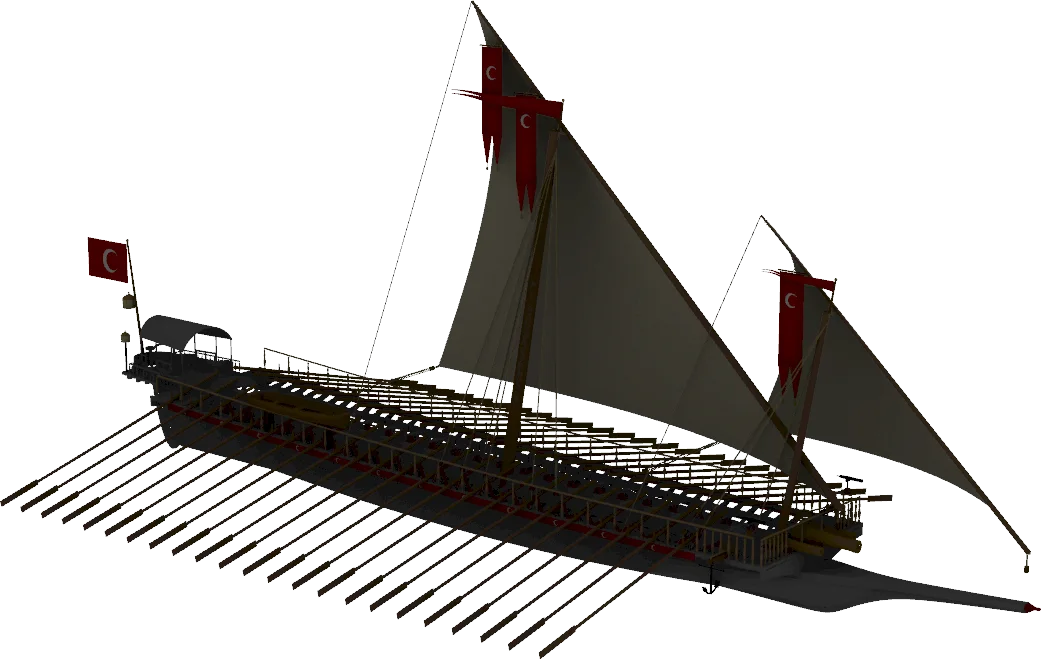
Read the story →A great Christian alliance gathered the largest fleet it could find to drive the Ottomans from the sea. Barbaros Hayreddin was waiting for them.
Read the story →More than four hundred galleys met at the mouth of the Gulf of Patras. It was the largest naval battle of its age, and the last great battle fought with oars.
Read the story →